Treatments
Perianal Abscess Treatment
A perianal abscess is an infection with pus collecting around the anus, and it should not be left waiting; the treatment is drainage. For superficial abscesses the procedure is done under local anesthesia the same day, and early drainage helps reduce fistula risk.
Perianal Abscess Treatment
How Is a Perianal Abscess Treated?
A pus-filled infection site around the anus is called a perianal abscess. The honest answer: the treatment is drainage, not medication. Antibiotics alone cannot cure an abscess; they only support drainage in selected patients.
For superficial abscesses, drainage is performed at our clinic under local anesthesia the same day: examination, procedure and discharge are completed in a single visit for most patients. Deep or complex abscesses are scheduled under operating-room conditions.
Early drainage not only relieves the throbbing pain quickly; it also helps prevent the abscess from deepening and setting the stage for a fistula.
What You Are Curious About
Let Us Answer Right Away!
Causes of Perianal Abscess (Anal Abscess)
The formation of perianal abscesses is thought to be linked to the infection of the secretory glands around the anus. This infection leads to the formation of pus-filled cavities around the anus and rectum as a result of the blockage of the secretory gland's outflow tract.
Some individuals may be more likely to develop a perianal abscess. Factors that can increase abscess formation include the following:
- Diabetes
- Anal fissure
- Crohn's disease
- Individuals with weakened immune systems (such as those using cortisone and similar medications, or cancer patients undergoing chemotherapy)
- Sexually transmitted infections
- AIDS (HIV infection)
- Pregnancy
- Presence of a foreign body in the anus
What Are the Symptoms of a Perianal Abscess (Anal Abscess)?
- Redness forming around the anus
- Swelling and intense pain in the anal area
- A burning sensation inside the anus
- Itching and inflamed discharge around the anus. In addition to these symptoms, fatigue may also occur. Spontaneous drainage of the abscess can relieve pain by causing discharge. The drained abscess can stain underwear by leaving a foul-smelling discharge.
- Chills and shivering
- Fever; a high fever can be a sign of a serious problem.
How is an anal abscess diagnosed?
It is very important to describe your symptoms to your doctor in detail. In some cases, talking about this may be uncomfortable or embarrassing, but it is important to make the correct diagnosis and start treatment immediately.
Superficial abscesses are usually easy to diagnose. Sometimes no other tests are needed. In some cases, tests such as blood and urine tests, pelvic MRI (Magnetic Resonance Imaging), CT (Computed Tomography), and ultrasound may be necessary for differential diagnosis and to determine the size of the abscess and its relationship with anatomical structures. Which of these tests is necessary will depend on your symptoms and what you tell the doctor. Do not hesitate to discuss any questions you may have.
Perianal Abscess Digital Examination
In many patients, the patient's complaints and a simple examination are sufficient to make a diagnosis. An anal fistula or anal abscess can be diagnosed by digital examination of the anus.
Perianal Abscess Magnetic Resonance Imaging (MRI)
These imaging techniques can show the location and size of the abscess, its relationship with neighboring organs, and the muscles that control the anus. In some patients, in addition to the examination, endoscopy and certain radiological investigations may be needed both to avoid missing another underlying condition and to determine the treatment method. In some patients, especially with deeply located abscesses, anal ultrasound or magnetic resonance imaging (MRI) may be required for differential diagnosis.
Perianal Abscess (Anal Abscess - Perianal Abscess) Treatment
The abscess is treated by draining pus through an opening made in the skin near the anus. To allow the pus to drain easily, it may be necessary to remove part of the skin over the abscess. A tampon may then be placed where the abscess has drained. A large or deep abscess may require surgery. Sometimes, depending on the doctor's preference, this can be done under local anesthesia (numbing). Patients who are prone to more serious infections, such as those with diabetes and weakened immune systems, may need to be hospitalized for treatment. Some patients may also be given antibiotics.
Perianal Abscess (Anal Abscess) - Draining the Abscess
An anorectal abscess, also known as an anal abscess, is a condition characterized by the formation of an abscess as a result of the anal canals in the anal region becoming blocked for various reasons. An anal abscess is not a condition that heals on its own, and its treatment is always surgical. The treatment of an anal abscess is aimed at draining the inflammation in the abscessed area. Patients with an anal abscess complaint may be reluctant to seek treatment because the condition occurs in a private area, and in some cases the condition may be neglected. An anal abscess is not a condition that can be treated and healed with herbal methods as patients expect and hope. Anal abscess surgery is performed by draining the abscessed area. For patients, the post-treatment healing process is as frightening as the treatment method itself. For detailed information about the healing process after anal abscess surgery, you can read our article on the anal abscess surgery healing process.
Healing of the abscess cavity can take 3-5 weeks. Sometimes there may be a bloody discharge and itching in the surrounding tissue. You will need to see your doctor again within a few days to check whether the abscess is healing.
An anal fistula may develop in about one-third to one-half of drained perianal abscesses. This is the natural course of these rectal abscesses. Patients who develop a fistula may therefore require surgery.
Situations to Watch Out for in Perianal Abscess Treatment
- Pain that does not go away despite painkillers
- Increased pain after treatment
- Fever, chills, shivering
- Bleeding that does not stop despite dressing changes
- Difficulty urinating
- Inability to pass stool for three days in a row
- Diarrhea: more than 3 watery stools within 24 hours
- Nausea, vomiting
If you experience any of these symptoms, you should see a doctor immediately.
What Are the Advantages of Non-Surgical Treatment in Perianal Abscess Treatment?
- The biggest advantage for patients is that they can go home or to work without any loss of time.
- Since no anesthesia is used during the operation, there is no anesthesia risk.
- The abscess is completely drained.
- Pain is significantly reduced.
- After the operation, the patient has no restriction of movement.
- Because the abscess is completely drained, the risk of recurrence or fistula formation is very low.
Perianal Abscess Treatment
Laser Method
Let's be honest: the abscess itself is treated with drainage, not laser. Laser's real stage is the fistula and recurrence phase that may follow drainage, where it offers an incision-free, suture-free option.
Dr. Yasir Gozu's blended-treatment approach has allowed many patients to return to daily life the same day. What this means for you:
- No general anesthesia; performed under local anesthesia
- Home or work the same day; no hospital stay
- Complete drainage lowers recurrence and fistula risk
- No movement restriction; pain is markedly reduced
Read more about laser treatment after an abscess or compare all options in our treatment types guide.
After Treatment
Recovery and Follow-up
Recovery After Drainage
The abscess cavity usually heals in 3–5 weeks. Light discharge and itching are normal during this period; regular dressing and a follow-up visit within a few days matter for monitoring healing.
A fact you should know: roughly one-third to one-half of drained abscesses develop an anal fistula over time. This is the natural course of the disease; which is exactly why follow-up should not be skipped; early diagnosis makes fistula treatment far simpler.
When should you see a doctor immediately?
- Pain that persists or worsens despite painkillers
- Fever, chills, shivering
- Bleeding that does not stop with dressing
- Inability to urinate, or no bowel movement for three days
Start from the basics: what a perianal abscess is, its symptoms and causes. Contact us; examination and treatment are planned the same day for most patients.
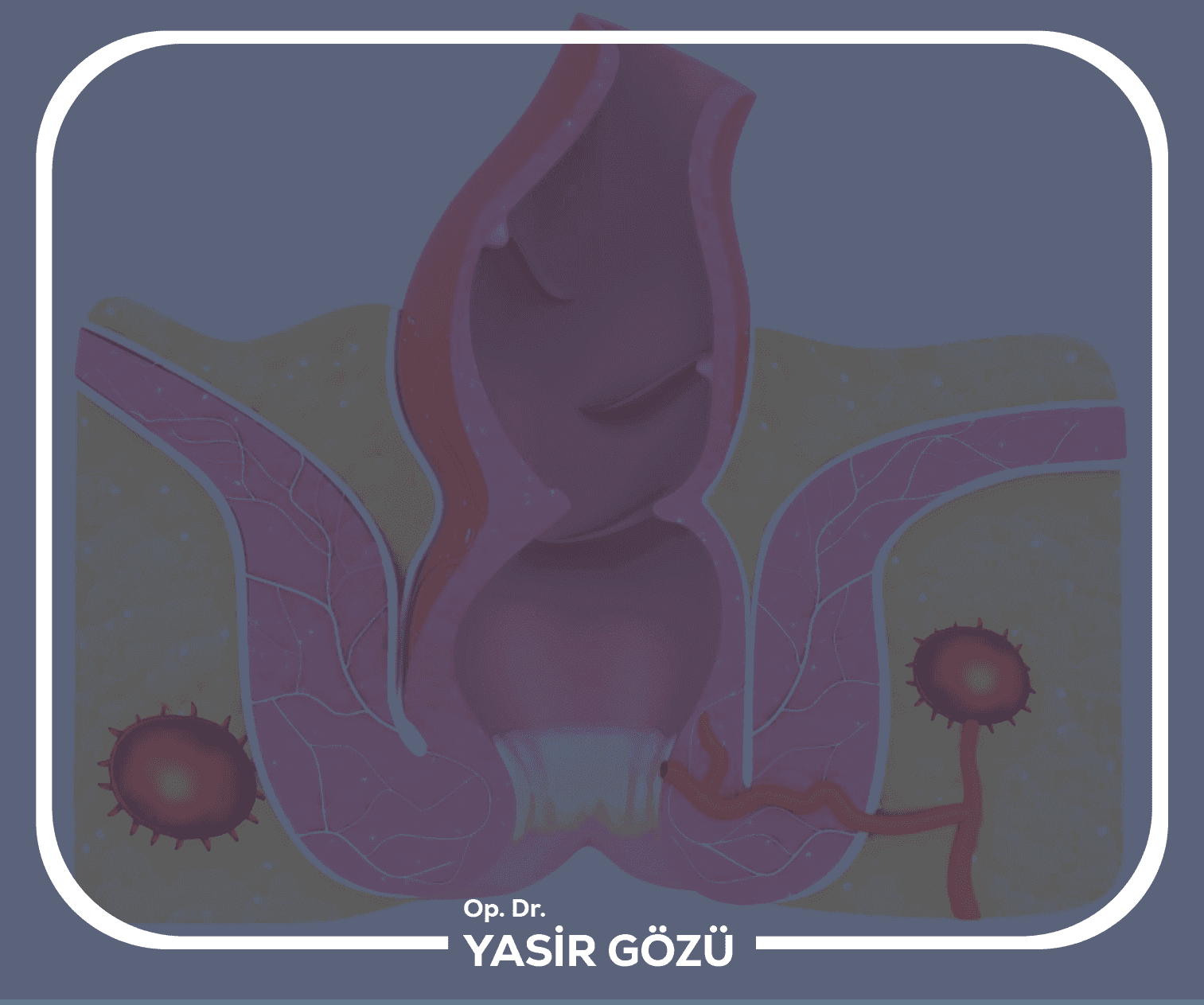
What Is a Perianal Abscess?
A perianal abscess is a painful, pus-filled infection that forms in the tissues around the anus or rectum. Usually caused by a bacterial infection, this condition presents with symptoms such as severe pain, swelling, and fever.
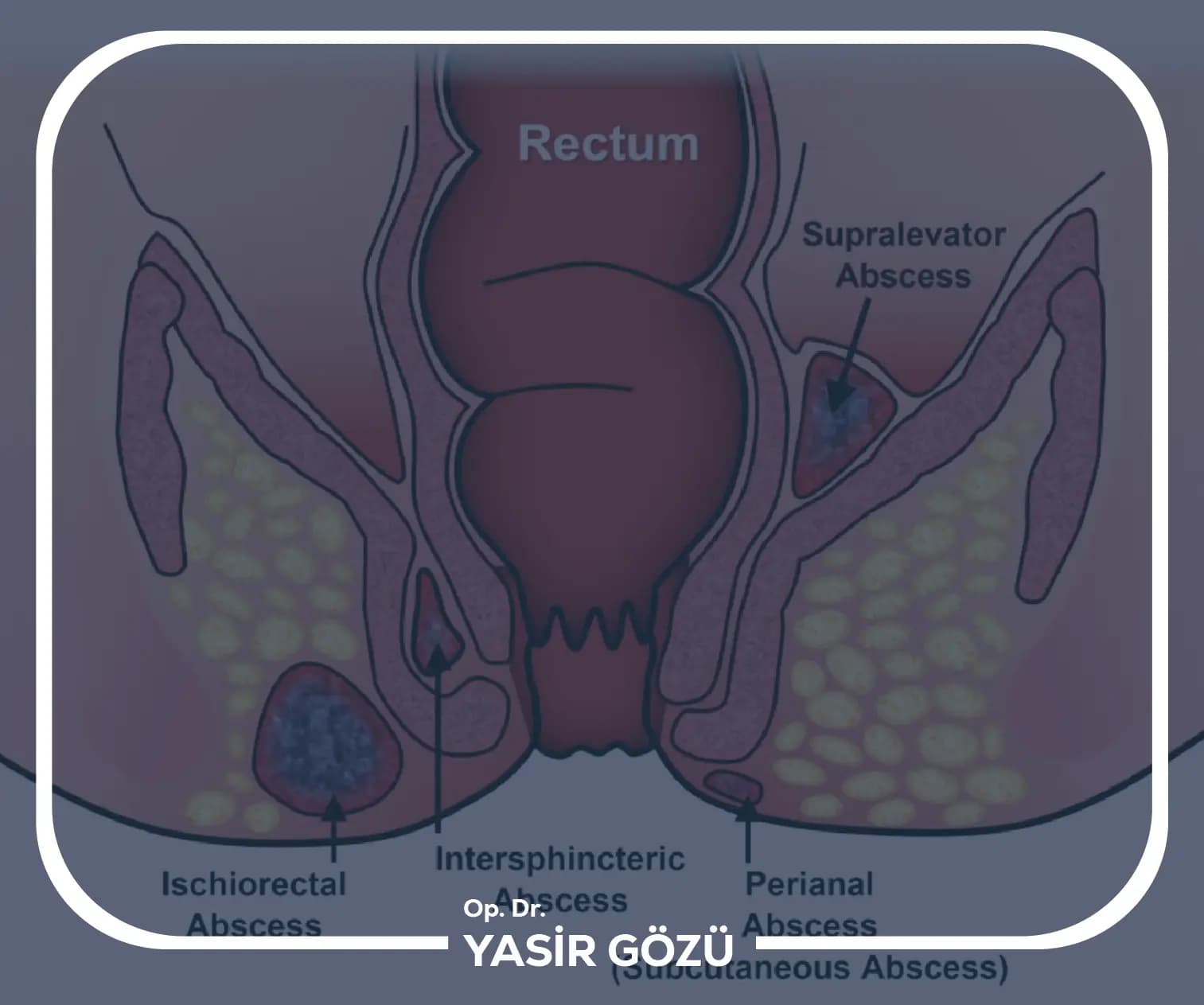
Perianal Abscess Symptoms
Symptoms of a perianal abscess include severe pain, swelling, redness, and purulent discharge around the anus. In addition, patients often experience fever and a general feeling of fatigue, which are among the signs that the infection is spreading through the body.
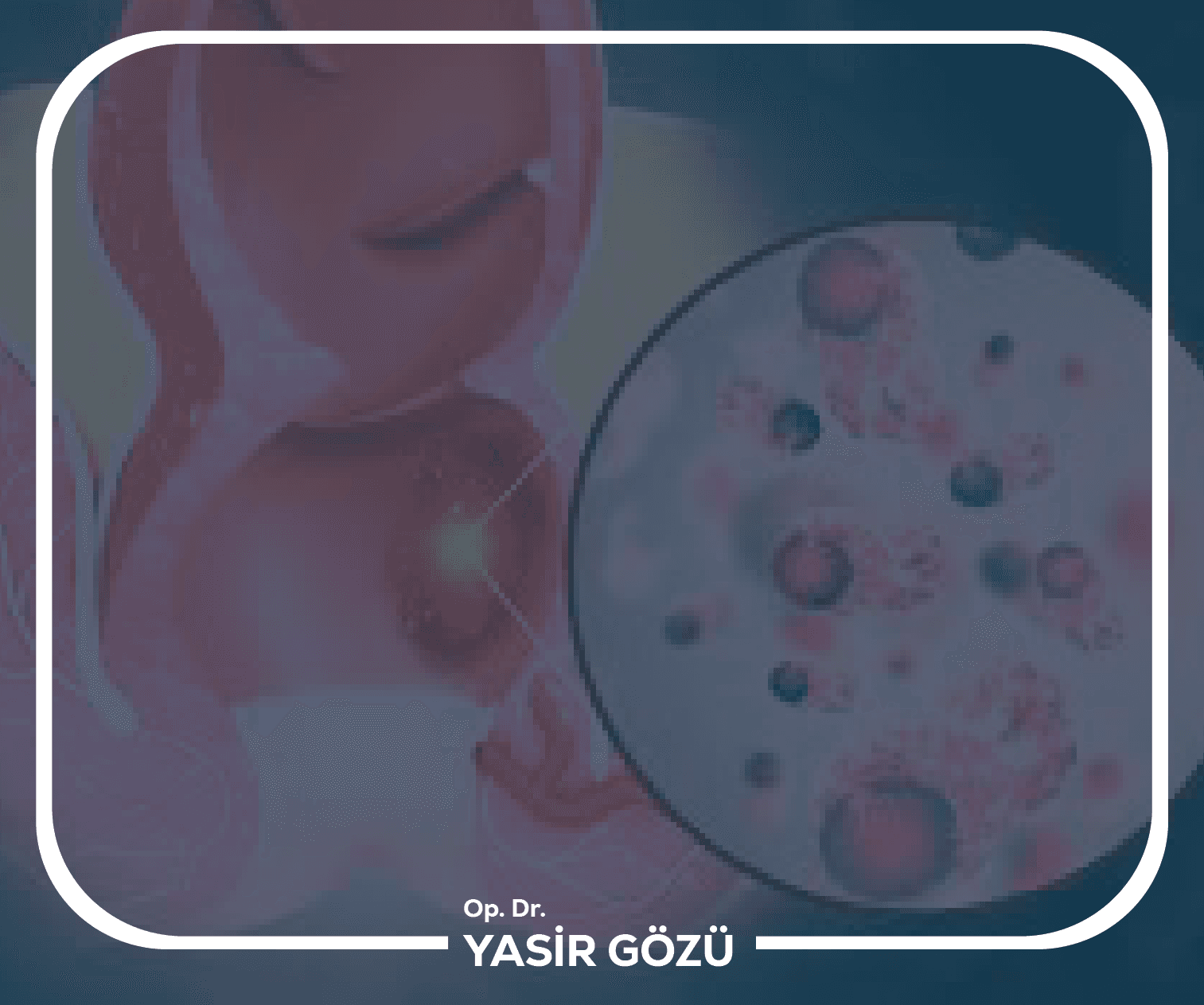
Laser Perianal Abscess Treatment
Laser perianal abscess treatment clears the abscess by precisely vaporizing the infected tissue without harming the surrounding healthy tissue. Compared to traditional surgery, this method offers a less painful and faster healing process, allowing patients to return to their normal lives more quickly.