The medical information in this article was written by Yasir Gozu, MD (General Surgery Specialist) and checked against current medical sources.
This article is for information purposes only; it is not a substitute for an examination and a physician’s assessment.
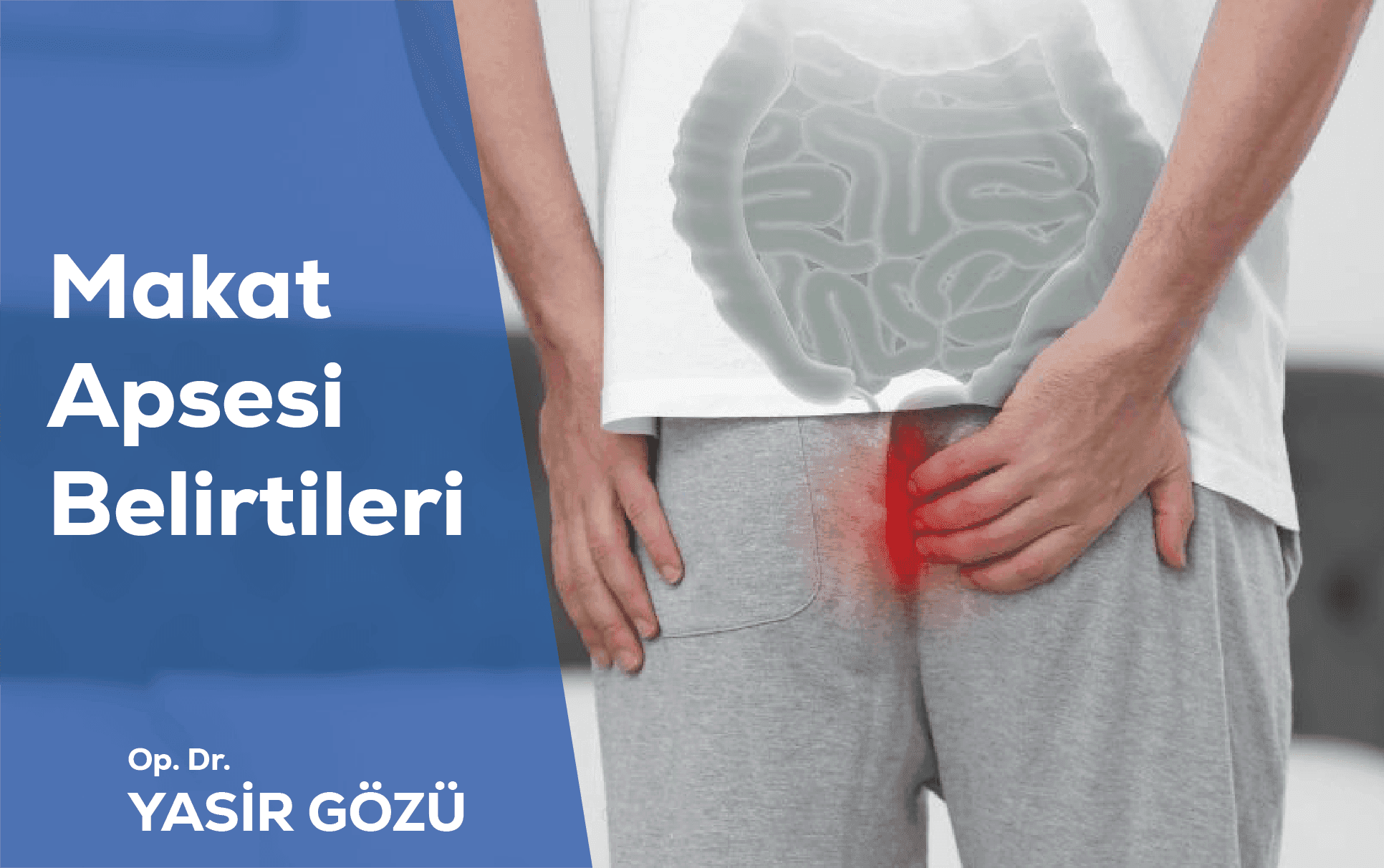
The four signatures of a perianal abscess: throbbing, pulse-like pain (constant, independent of bowel movements), a tense swelling that makes sitting and walking difficult, warmth and extreme tenderness to the touch, and the frequently added fever and fatigue. Deep abscesses can run their course with only deep pain and fever and nothing visible outside. The difference from a fissure: the pain is constant, not tied to bowel movements; from hemorrhoids: a course that worsens rapidly over hours to days. A waiting abscess grows; these symptoms do not belong on the "it will pass by tomorrow" list.
Patients find it hard to tell anal pains apart; understandably: the region is the same, the words are similar. But to a physician's ear, each disease's pain plays its own music, and the abscess's is the most recognizable. In this article I will teach you that music too; because in abscess disease the reward for early recognition is large: a small abscess is solved with a small procedure, a grown abscess with major surgery.
1. The rhythm of the pain: Like a pulse
Abscess pain has three distinguishing features. It throbs: because the pus pocket is a sealed pressure chamber, every heartbeat strikes it; patients say "it feels like a heart beating inside". It is constant: unlike a fissure, it does not come and go with bowel movements; sitting, lying down, asleep at night; it is always there, and at night it usually becomes even more pronounced. It is progressive: yesterday it was "discomfort", today it is "pain", tomorrow it will be "unbearable". This triad (throbbing, constant and worsening) comes together with such clarity in no other anal disease.
2. Swelling and warmth: What the hand feels
With abscesses near the skin, a tense, firm-elastic swelling that is extremely tender to the touch can be felt at the edge of the anus; the skin over it is red and noticeably warmer than its surroundings. Sitting is possible only by shifting onto one side; even walking hurts with each jolt. The center of the swelling may soften over time ("ripening"); a sign the pus is approaching the skin, but waiting for it to burst on its own is not a strategy; as I explained in the guide, there is the trap of incomplete emptying.
3. Fever and fatigue: The system's alarm
As the infectious load grows, the whole body reacts: fever above 38°C, chills, malaise, loss of appetite. When these symptoms join, we are no longer talking about a purely local problem but an infection preparing to cross its boundaries; you should be seen the same day. In patients with diabetes or a suppressed immune system, the threshold is even lower: it is right to seek care on suspicion alone, without waiting for fever.
The invisible abscess: The deep-seated picture
This is the most vital section of the symptoms article. A proportion of abscesses establish themselves deep between the muscle planes and show no sign on the outside: no swelling, no redness; only steadily worsening deep anal/pelvic pain, difficulty sitting, sometimes difficulty urinating, and fever. These patients lose days to hemorrhoid creams and painkillers because "nothing shows". The rule: even with nothing visible on the outside, worsening deep pain and fever is an abscess until an abscess is ruled out: it is sought with examination and, if needed, MRI.
Which pain is which disease? A quick distinction
| Abscess | Fissure | Thrombosed hemorrhoid | |
|---|---|---|---|
| Pain character | Throbbing, constant, worsening | Sharp, triggered by bowel movements | Steady pressure-like ache, sudden onset |
| Course | WORSENS over hours to days | Settles after the bowel movement | Peaks in the first 2-3 days, then recedes |
| Swelling | Tense, warm, very tender | None (a small tag possible) | Purple-blue firm nodule |
| Fever | Frequently present | Absent | Absent |
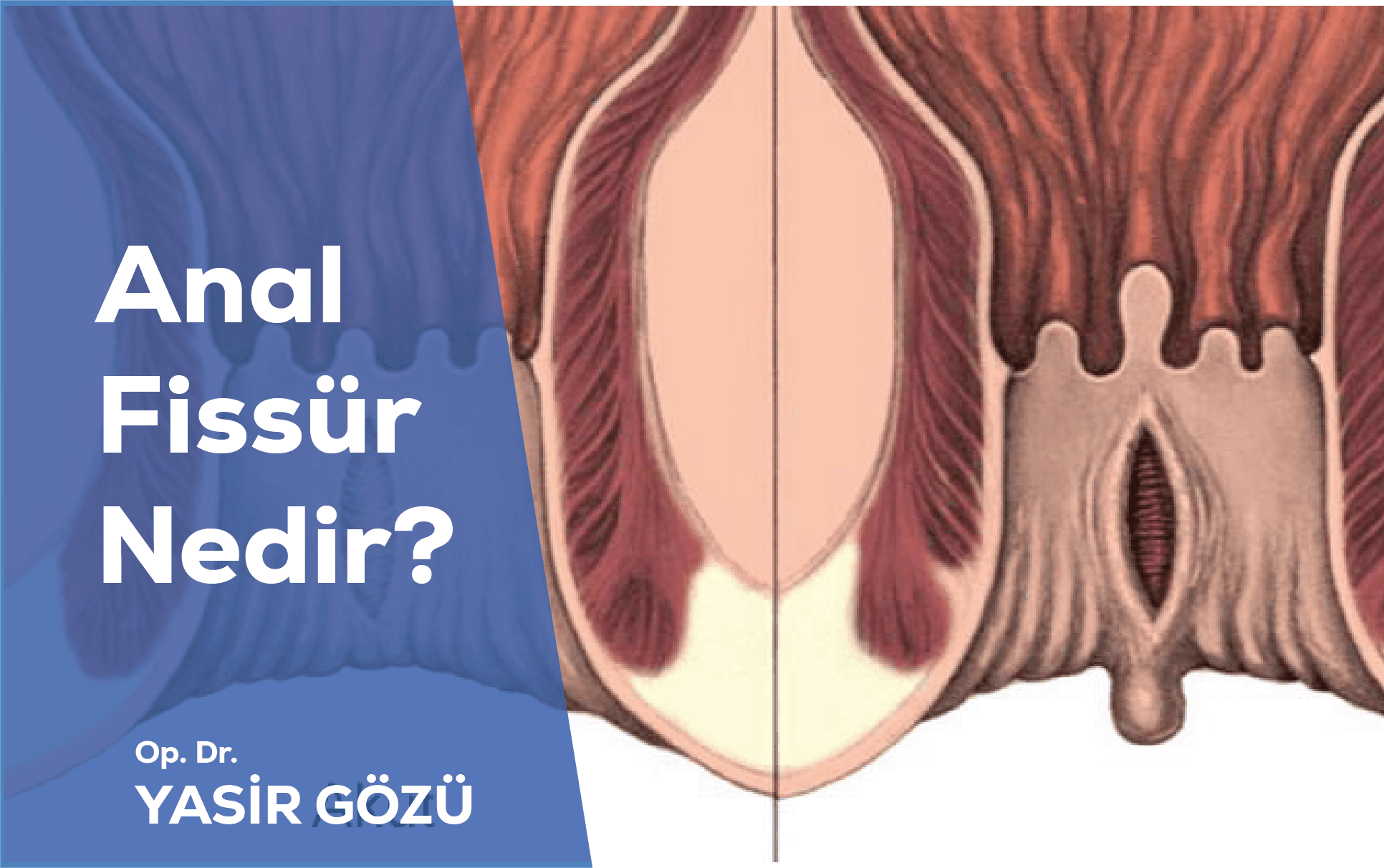
Confusion with perianal hidradenitis suppurativa flares and a pilonidal sinus abscess is also possible; location and history make the distinction; the final verdict belongs to the examination.
Do not be fooled if the symptoms ease
Two misleading scenarios: the abscess bursts through the skin on its own and the pain suddenly drops; the patient thinks "it has passed"; yet the pocket has emptied incompletely and refilling begins anew. Or the symptoms are suppressed with painkillers; while the abscess quietly keeps growing. In both scenarios the right step is the same: an examination, even if you feel relief. In abscess disease, the only reliable proof of "it has passed" is that it has been drained and followed up.
Frequently asked questions
I have pain but I cannot feel a swelling; could it still be an abscess?
It could; deep abscesses leave no trace on the outside. If your pain is constant and worsening, and especially if there is fever, do not lean on the reassurance of "no swelling"; get examined.
Where can abscess pain radiate?
The area around the anus is the center, but with deep abscesses the pain can radiate into the pelvis, the lower back, the groin; some patients first mistake it for a urinary complaint. Radiating pain is a clue to deep seating.
Within how many hours or days should I seek care?
Once the throbbing character has set in, the first 24-48 hours are ideal; with fever and chills, the same day. The reward for coming early is concrete: a smaller procedure, a shorter recovery, less ground for fistula formation.
Does it happen in children too?
It does; perianal abscess can occur especially in infants; it shows itself with swelling and redness in the diaper area and irritability. A child's abscess is a physician's job just as an adult's is; attempting to burst it at home must never be done.
Sources
- American Society of Colon and Rectal Surgeons (ASCRS) — Clinical Practice Guidelines for Anorectal Abscess, fascrs.org
- NHS — Anal abscess, Perianal abscess and fistula
If the rhythm of your pain matches this article, do not wait: +90 552 608 39 21 — Levent. For treatment options, see the treatment types article.
Yasir Gozu, MD
General Surgery Specialist
He has worked in anorectal diseases (proctology) for over twenty years, focusing on non-surgical laser treatments for hemorrhoids, anal fistula, anal fissure and pilonidal sinus. He sees patients at Avrupa Cerrahi in Besiktas Levent.
Content owner: Yasir Gozu, MD
Published: May 9, 2024
Last updated: September 9, 2026