Treatments
Genital Warts Treatment
Genital warts are a sign of the sexually transmitted HPV infection; waiting can increase spread. At our clinic, warts are treated with laser; with privacy and comfort as priorities; in a single session for most cases.
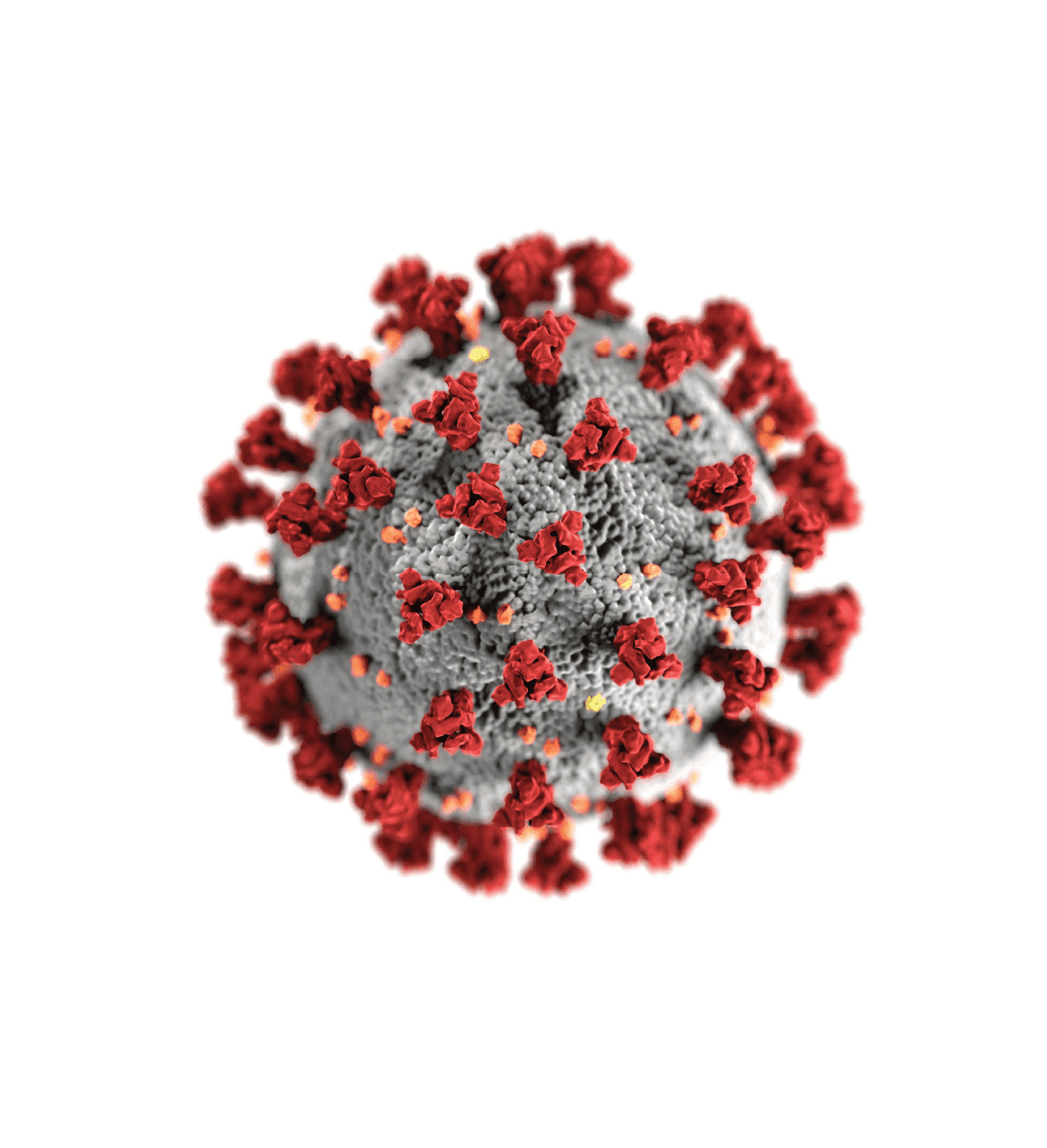
What is the HPV virus?
Genital warts, seen in both men and women, are considered a symptom of the sexually transmitted HPV infection. These warts are also called condyloma acuminata. The human papillomavirus (HPV) has more than 200 different types, and 40 of them can cause genital warts. The most common causes of genital warts are the HPV 6 and HPV 11 types, and these types do not cause cancer.
Women in particular may also be exposed to other HPV types in their bodies, so tests such as the Pap smear are necessary. Genital warts may appear as light or dark brown, spot-like bumps on the skin. There may be a single wart, or numerous warts resembling a cauliflower may develop. Sometimes the warts can be confused with moles or go unnoticed. They can cause discomforts such as itching or bleeding during sexual intercourse.
It is estimated that around 60 percent of people may be exposed to HPV at some point in their lives. Once the virus enters the body, it is usually brought under control by the immune system. When it is not suppressed, the types that cause genital warts are observed to begin showing symptoms on average 1 year after infection.
Because the HPV virus is present in the body whether or not there are symptoms, there is always a risk of transmitting it to others. For this reason, it is not possible to determine when and from whom HPV was contracted. Early diagnosis of genital warts makes the treatment process easier. Depending on the size of the warts, treatment options include creams, various cautery treatments, or surgical intervention.
Genital warts are seen in about 1% of the population, and this rate rises to 7% among people in their 20s. Even if you have had the cervical cancer vaccine, screening programs should continue. From the age of 21, women are advised to have a smear test every three years.
The screening test that combines HPV and PAP smear testing is recommended from the age of 30. If both test results come back normal, the risk of developing cervical cancer or a precancerous lesion within five years drops to 0.08%.
What You Are Curious About
Let Us Answer Right Away!
What Are the Symptoms of Genital Warts?
- Genital warts can be the size of a pinhead, blistered, and pus-filled in appearance. Multiple warts can come together to create a cauliflower-like appearance. They may initially appear as skin-colored or brown bumps. They usually do not cause discomfort, but they can sometimes lead to itching and cause bleeding during sexual intercourse.
- Genital warts can appear in the following areas:
- Warts can be single, in groups, raised on the skin, flat, or 'cauliflower' shaped.
- The skin surface may be raised, rough, skin-colored, or gray in tone.
- There is usually no pain; however, itching may occur.
- They can cause slight bleeding during sexual intercourse.
- They can become noticeable within a few weeks to a few months after sexual contact with someone who has warts.
- The HPV infection that causes genital warts can, although rarely, cause warts to form in the throat after oral and genital contact.
How Does HPV Spread?
- The HPV virus can be present in both men and women and is transmitted from one person to another through sexual contact. In addition to vaginal and anal sex, HPV can also spread through skin contact in genital areas not covered by a condom.
- Even if genital warts are not visible from the outside, contact of HPV-infected skin in the genital area is enough for the virus to be transmitted.
- Although rare, transmission through oral sex is also possible. During this process, a person can carry the virus and transmit it to others.
- Pregnant women carrying HPV can transmit the virus to their babies during birth.
- It is also not possible to determine from which partner genital warts originated or how long the virus has been in the body.
- If left untreated, warts can multiply and increase in size.
- Genital warts are not transmitted through kissing, towels, cutlery, glasses, or sharing toilets.
Methods of Protection Against HPV
- Always use a condom during sexual intercourse to protect yourself; however, keep in mind that the virus can also be transmitted through skin contact.
- HPV can remain dormant in the body for years after infection and does not cause everyone to develop genital warts. Many people can neutralize the HPV infection thanks to the body's immune system.
- After becoming infected with the HPV types that cause genital warts, the warts can appear within a few months or a few years and can be contagious.
- Avoid sexual intercourse while undergoing genital wart treatment.
- Get the HPV vaccine: For both men and women, the most effective method of protection against HPV is vaccination.
The HPV vaccine, which is widely administered around the world and given in childhood in some countries, provides protection against HPV 16 and 18, the types most likely to cause cancer. The quadrivalent vaccine also offers protection against types 6 and 11, which cause genital warts. This vaccine provides about 90% protection against cervical cancer while offering similar protection against warts.
Diagnostic Methods for Genital Warts
Genital warts have a very typical appearance. Genital warts can be diagnosed by a dermatologist examining the warts. They can also be diagnosed by gynecologists and urologists. In women, genital warts may be found during your annual gynecological check-up.
If you have genital warts, you should not have sexual intercourse until your treatment is complete and you should inform your partner. In women, HPV is an important risk factor for cervical cancer. For this reason, the following tests will be performed to check for the presence of genital warts and other HPV types:
Pap Smear Test
During a gynecological examination, a sample is taken from the vaginal opening using a special brush or spatula. This is a painless procedure. It is used to determine whether there are any cellular changes in the cervix. A smear test alone is not sufficient for a cancer diagnosis. A positive smear indicates that there is a problem and that diagnostic tests need to be carried out.
HPV DNA Test
If the Pap smear is abnormal, the likelihood of HPV causing cancer will be investigated.
Colposcopy
This is the examination of the vulva, vagina, and cervix using a magnifying light.
Cervical biopsy
Tissue is taken from the cervix to check for changes in cells that could cause cancer.
Treatment options for genital warts
There is no treatment that can completely remove the HPV infection from your body. However, genital warts can be treated with various methods. The aim of treatment is not only to destroy the warts but also to completely clear the tissue where the wart is located.
Genital warts can be treated with creams, cryotherapy (freezing method), or, if large, surgical intervention.
Creams
These treatment methods are medications that chemically destroy the wart tissue.
Classical Surgical Method
Because of concerns about the side effects of classical surgical procedures that require anesthesia and hospitalization, as well as the scars that may form after genital wart treatment, there is greater interest in alternative treatment methods.
Cryotherapy
This method involves freezing and destroying the wart using liquid nitrogen. No anesthesia is needed.
Electrocautery
This procedure involves burning off the warts with an electric current, and the area is numbed with local anesthesia during the application.
Laser Method
This treatment involves heating and vaporizing with laser beams. The laser is focused on the wart to heat its base, and during this process the surrounding tissues are not harmed.
Surgical treatment of genital warts
This procedure is usually performed under general anesthesia, and the surgeon removes the warts one by one. The main goal of the treatment is to completely destroy the underlying tissue where the warts are located.
All of these treatment methods allow existing warts to heal. However, warts can persist for years. For this reason, depending on changes in the individual's immune system, warts can reappear.
Treatment Methods for HPV/Genital Warts in Men
At present, there is no test that can detect the presence of HPV in men. Warts are usually observed on the penis, scrotum, around the anus, and in the groin areas. If there are warts, moles, swellings, sores, ulcers, white patches, or other abnormal structures on and around the penis, it is important to consult a specialist.
The HPV types that cause genital warts are not the same as those that can cause cancer. Other types may be associated with cancers of the penis, anus, mouth, and throat. Nevertheless, preventing HPV is important for men because the virus is associated with rare cancers such as those of the penis, anal areas, and head and neck.
In men, genital warts can be treated with medication, surgical intervention, cautery, or freezing methods.
Disadvantages of Genital Wart Surgery
Surgical intervention for genital warts can lead to complications related to the operation. Surgical complications include:
- During surgery, healthy tissue may be removed along with the wart lesions. This can prolong the healing process and cause loss of healthy tissue.
- After surgery, the warts may need to be bandaged regularly.
- The possibility of scarring after genital wart surgery should always be taken into account.
- Warts may reappear after the wart treatment procedure.
- Because the genital area is a sensitive region, patients may feel pain after surgery.
- There is a risk of bleeding after genital wart surgery.
- If the patient does not keep the surgical area clean, there is a possibility of infection.
Advantages of Non-Surgical Genital Wart Treatment
- The non-surgical treatment procedure takes only 5-8 minutes.
- It is fast and, like a dental filling, does not require a hospital stay.
- General anesthesia is not used; local anesthesia is preferred to numb the area.
- The patient does not need to make any preparations for the procedure.
- No additional tests or examinations are required; the patient remains conscious during the procedure.
- Very little pain is felt during and after the procedure.
- Because there are no surgical procedures requiring incisions or stitches, the tissues in the anal area are not harmed.
- People can return to their daily lives immediately after treatment.
- People with systemic and chronic diseases can also undergo non-surgical laser treatment without any problems. Patients with high blood pressure, diabetes, and heart conditions can continue taking their regular medications.
- Patients can be examined and treated on the same day, and after treatment they have the opportunity to return to their social and work lives.
Genital Warts Treatment
Laser Method
The laser treatment method applied by Yasir Gozu, MD, who spares his patients from surgery by combining treatments, has enabled many patients to continue their daily lives on the same day.
Blogs Related to Genital Warts
What Are Genital Warts?
Genital warts are a sexually transmitted disease caused by human papillomavirus (HPV) infection. These warts can appear as flesh-colored, colored, or flat lesions in the genital and anal area and are contagious.
Genital Wart Symptoms?
Genital wart symptoms include soft, moist, skin tag-like structures appearing in or around the genital and anal area. These warts can be itchy and tend to multiply, sometimes growing in clusters.
Laser Genital Wart Treatment
Laser genital wart treatment uses high-energy light to destroy warts quickly and effectively. This minimally invasive treatment option is preferred to reduce the recurrence of warts and speed up the healing process.