Treatments
Hemorrhoid (Piles) Treatment
Hemorrhoids, also known as piles, are enlarged veins at the end of the anal canal. At our clinic, hemorrhoids are treated according to their grade with laser and non-surgical methods; for most patients in a single same-day visit.
What are hemorrhoids (piles)? Symptoms and treatment methods
Hemorrhoids, also known as piles, are enlarged veins located in the lower part of the rectum and anus, at the end of the anal canal. The walls of these blood vessels sometimes stretch so much that they swell and become irritated.
As a result of this swelling and irritation, they protrude outward from the anus. This condition is commonly known as hemorrhoids or piles. Hemorrhoids are divided into internal and external hemorrhoids and are classified into four different grades according to their symptoms.
What are internal hemorrhoids?
Internal hemorrhoids lie so deep inside the anus that they usually cannot be seen or felt. They generally do not cause pain or discomfort because there are very few pain-sensing nerves in the area.
The most noticeable sign is blood in the stool, in the toilet bowl, or on the toilet paper. Hemorrhoids may also appear as moist lumps that are pinker than the surrounding tissue.
These are called prolapsed hemorrhoids. They may retract on their own or can be gently pushed back inside.
What are external hemorrhoids?
External hemorrhoids are located just under the skin on the outer wall of the anus. Because there are more pain-sensing nerves here, symptoms of external hemorrhoids include pain, bleeding, itching, and swelling.
What is a thrombosed hemorrhoid?
In some cases, hemorrhoids can turn purple or blue due to a blood clot. This is called thrombosis. It can cause pain, itching, and bleeding. When the clot dissolves, it may leave behind a skin tag that can become irritated.
What Causes Hemorrhoids (Piles)?
The main cause of hemorrhoids is excessive pressure and blood flow in the veins around the rectum.
This can occur when you strain on the toilet, when you try to lift or push a heavy object, when your body carries extra weight due to obesity, during pregnancy, when you regularly eat a low-fiber diet, when you lead a sedentary lifestyle, or when you engage in anal intercourse. People who stand or sit for long periods without changing position are also at risk. Prolonged diarrhea or constipation increases the risk factors for hemorrhoids. Coughing, sneezing, or vomiting can make hemorrhoids worse.
Hemorrhoid (Piles) Symptoms
The main symptom of grade 1 hemorrhoids is bleeding. Hemorrhoids are diagnosed by rectoscopy.
In grade 2 hemorrhoids, bleeding is accompanied by itching. These are detected during an anal examination and while straining.
In grade 3 hemorrhoids, bleeding and itching are accompanied by discharge or a feeling of moisture around the anus. During an anal examination, the descending hemorrhoidal cushions can be seen.
In grade 4 hemorrhoids, there is pain as well as discharge, bleeding, and itching. An examination at this stage will reveal swellings that cannot be pushed back inside.
Any rectal bleeding, even if it is not caused by hemorrhoids, should be evaluated by a doctor. Rectal bleeding can also be a sign of Crohn's disease, diverticulitis, colitis, colon polyps, or bowel cancer.
Anal fissures can also cause pain or bleeding. It is important to see a healthcare professional for the most accurate diagnosis and treatment.
Diagnosing Hemorrhoids (Piles)
Your doctor will ask you a series of questions about your medical history and symptoms, and then, depending on the situation, perform one or all of a series of tests.
The first of these is a physical examination, in which the doctor looks at the anus and rectum to check for lumps, swelling, irritation, or other problems.
In the second type of examination, the doctor puts on a hygienic glove, checks muscle tone, and again uses a finger to check the rectum for tenderness, swelling, lumps, irritation, and other problems. This is called a digital rectal examination.
More advanced examination methods may be needed to diagnose internal hemorrhoids and to check for other possible medical problems.
An examination performed using a rectoscope or proctoscope is called rectoscopy or proctoscopy.
Other examination methods include anoscopy, in which a short plastic tube called an anoscope is used to examine the anal canal; sigmoidoscopy, in which a flexible, lighted tube called a sigmoidoscope is used to examine the lower part of the large intestine; and colonoscopy, in which a long, flexible tube called a colonoscope is used to examine the entire large intestine.
Your Questions
Let Us Answer Right Away!
Hemorrhoid (Piles) Treatment
Depending on the severity of the symptoms, your doctor will determine an appropriate treatment plan. Lifestyle changes, medication, and surgery are some of the methods used to treat hemorrhoids. Although these methods can treat hemorrhoids easily, the risk of recurrence increases if the conditions that cause hemorrhoids are not changed. Simple lifestyle changes can often resolve mild hemorrhoid symptoms within 3 to 7 days. Fiber-rich foods support bowel health by easing the passage of stool through the digestive system. If recommended by a doctor, various herbal creams and ointments can be used in the treatment of hemorrhoids.
The priority in treating hemorrhoids (piles) is to address underlying problems such as constipation or diarrhea and to regulate bowel function. If symptoms do not resolve on their own, medication is used. Medications may come in the form of pills, suppositories, creams, ointments, or wipes.
Surgical treatments include:
- Rubber band ligation,
- Sclerotherapy
- Conventional surgical hemorrhoidectomy
- Laser surgery.
Conventional surgery usually requires a one-day hospital stay. Laser surgery requires a shorter stay.
How Can Hemorrhoids (Piles) Be Prevented?
The lifestyle changes used to treat hemorrhoids also help prevent them.
It is important to prioritize fiber-rich foods that ease the passage of food through the digestive system. These include vegetables, fruits, whole grains, nuts, whole wheat, chickpeas, beans, and legumes. Drinking more water prevents constipation and reduces the risk of difficult bowel movements.
Fiber-rich fruits and vegetables also contain water, which can help. Physical activity, such as a half-hour walk every day, reduces the risk of hemorrhoids by keeping the body active and helping to maintain a healthy weight.
It is important not to delay going to the toilet when you need to; you should not wait. Sitting on the toilet for long periods is a habit that increases the risk of hemorrhoids and should be avoided.
What Helps with Hemorrhoids (Piles)?
Things that help with hemorrhoids can be grouped into dietary and lifestyle changes. Foods that are good for hemorrhoids include the following:
- People with hemorrhoids need a diet high in fiber. A plant-based diet is good for hemorrhoids because it increases fiber intake. Grains and legumes such as beans, lentils, and chickpeas can help reduce the discomfort caused by hemorrhoids. A fiber-rich diet is important both for treating and preventing hemorrhoids.
- Eating the recommended amount of fruits and vegetables every day can help reduce the discomfort caused by hemorrhoids. Fruits and vegetables are rich in both nutrients and fiber.
- Drinking plenty of fluids, especially 2-3 liters of water a day, is beneficial.
- Whole-grain bread can be chosen over white bread, and oats can be eaten at breakfast or as a snack. Products such as buckwheat, rye, and barley can be included in the diet.
Recommendations on Lifestyle, Toilet Habits, and Relieving Acute Hemorrhoid Symptoms
What People with Hemorrhoids (Piles) Should Know
The things hemorrhoid patients should pay attention to can be grouped into diet and daily lifestyle habits. Foods that are not good for hemorrhoids and should therefore be avoided by hemorrhoid patients include:
- Meat is hard to digest and very low in fiber. Eating meat can cause digestive problems and aggravate existing hemorrhoidal issues.
- Milk and dairy products, cheese, and cream can aggravate existing hemorrhoid problems.
- Packaged foods, dried vegetables, and processed meats are products that should be limited unless there is a health reason otherwise. Packaged foods and processed meats can contain high levels of salt, preservatives, refined sugars, and trans fats.
- Alcohol consumption should be limited.
- Consumption of spicy, sour, and hot foods should be reduced. These foods do not cause hemorrhoids, but they can make them more painful, especially when symptoms are at their worst.
Other things people with hemorrhoids should keep in mind
- No matter how painful it is, the area must be kept clean. Abrasive products and harsh rubbing should be avoided during cleaning. Hemorrhoids should not be scratched or made to bleed.
- You should try to maintain your ideal weight and take care not to gain weight.
- Sitting on the toilet for long periods and straining can cause hemorrhoids to form and worsen. People with hemorrhoids should avoid sitting on the toilet for extended periods.
- Prolonged sitting can lead to hemorrhoids, so try to avoid sitting for long stretches.
- As with any illness, stress can make hemorrhoids worse.
- Lack of sleep and fatigue can worsen existing symptoms.
Can hemorrhoids be treated without surgery?
Most early and moderate-stage hemorrhoids can be managed with non-surgical methods. Minimally invasive options such as laser, radiofrequency and band ligation are applied in most patients without incisions or stitches. The appropriate method is determined after examination, based on the stage of the condition.
Is laser hemorrhoid treatment painful?
The laser procedure is usually performed under local anesthesia, and discomfort during the procedure is kept to a minimum. Because there are no incisions or stitches, recovery is more comfortable than with conventional surgery. Mild discomfort afterward may occur and varies from person to person.
How long does recovery take after hemorrhoid treatment?
With non-surgical laser or radiofrequency procedures, most patients go home the same day and can return to daily life within a few days. Full recovery time depends on the stage of the condition and the method used; following your physician's aftercare advice helps the process.
Do hemorrhoids come back after treatment?
No method guarantees that hemorrhoids will not recur. The risk of recurrence is linked to lifestyle factors such as constipation, prolonged sitting and a low-fiber diet. Adjusting diet and bowel habits significantly reduces the chance of recurrence after treatment.
When should I see a doctor for hemorrhoids?
You should consult a physician if you have ongoing symptoms such as rectal bleeding, a palpable lump, itching, pain or discomfort during bowel movements. Since rectal bleeding can also be a sign of other conditions, an examination is important for an accurate diagnosis.
Hemorrhoid Treatment
The Laser Method
By combining treatments, Yasir Gozu, MD has spared his patients from surgery; the laser treatment method he performs has allowed many patients to return to their daily lives the same day.
Blog Posts About Hemorrhoids
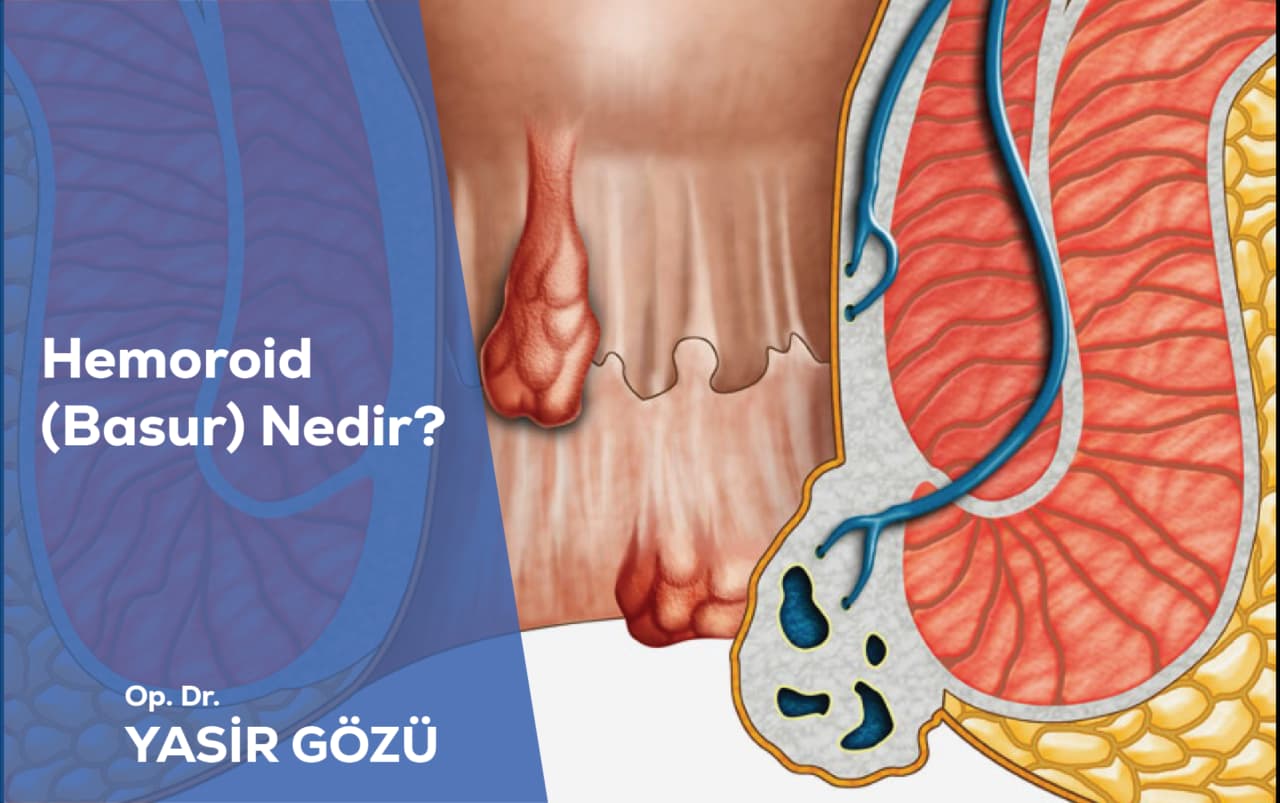
What Are Hemorrhoids (Piles)? Causes and How They Go Away
Hemorrhoids are actually the enlargement of vascular cushions we all have. Internal vs external, grades, causes, and a realistic treatment path from creams to laser; explained by a physician.
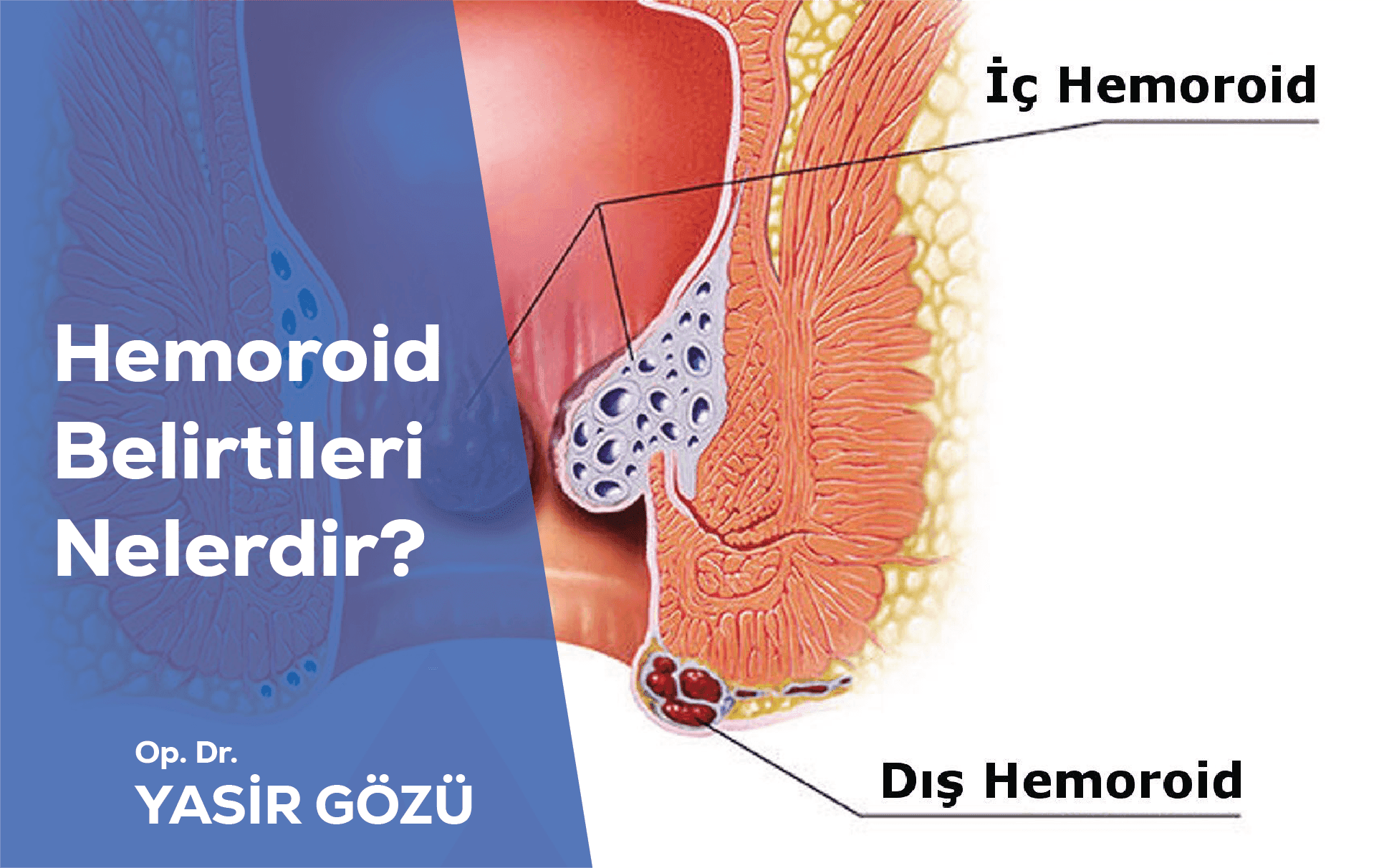
Hemorrhoid Symptoms: Bleeding, Itching, Prolapse — What Does Each One Mean?
Bright red blood on the toilet paper, itching, moisture, and a palpable lump: the language of hemorrhoids. Symptoms by grade, internal vs external, and which symptom points to another disease.
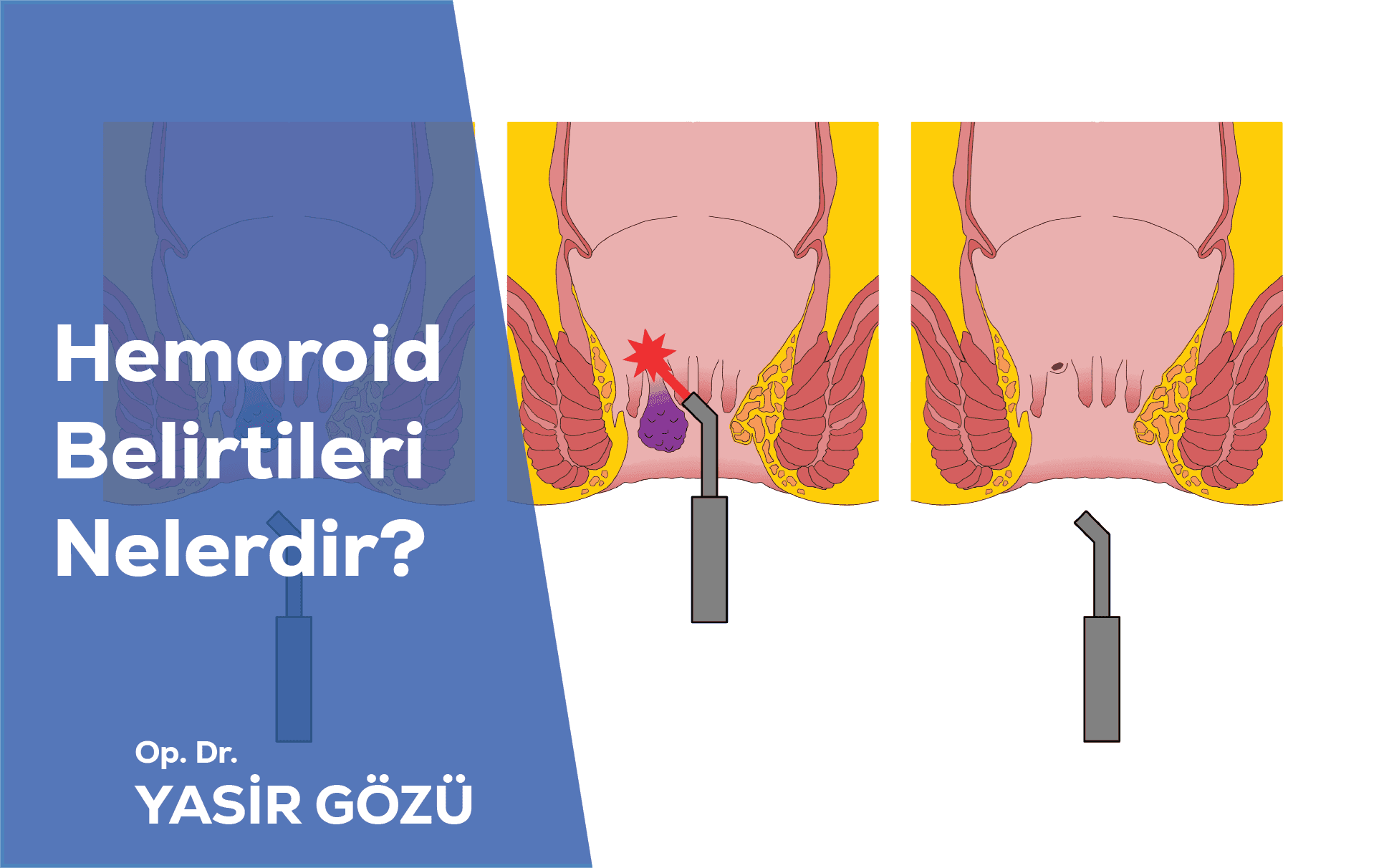
Laser Hemorrhoid Treatment: Who Benefits from the Incision-Free Method?
Laser hemorrhoidoplasty (LHP) shrinks the enlarged hemorrhoidal cushion without incisions: a day procedure with return to work the next day. Who is suitable, what are its limits, and how does it differ from classic surgery?