Treatments
What Is Hidradenitis Suppurativa? Symptoms and Current Treatment Options
Hidradenitis suppurativa is a chronic skin disease with recurring painful swellings in the armpits and groin. With correct staging and a long-term plan, it is brought under control; with laser-assisted treatment in suitable cases.
What is hidradenitis suppurativa?
Hidradenitis suppurativa is an inflammatory skin disease that usually presents with boil-like symptoms. You can read our article, in which we have compiled information on this condition based on our many years of experience.
Hidradenitis suppurativa typically occurs in areas where sweat and sebaceous glands are concentrated. The most common sites include both armpits, under the breasts, the groin, the buttocks, the area around the anus, and the genital region. Characterized by inflamed lesions, abscesses, and fistulas, this condition can negatively affect quality of life. The management of this complex disorder, which can lead to physical discomfort, pain, and social stigma, requires a multidisciplinary approach, and treatment is usually carried out by a dermatologist or surgeon.
Symptoms of Hidradenitis Suppurativa
The symptoms of hidradenitis suppurativa usually appear in the form of blackheads and pimple-like bumps. This occurs as an inflammatory response resulting from blockage of the apocrine glands, spreading to the sweat and sebaceous glands. Over time, these bumps can deepen, become red, and cause pain. As the disease progresses, the risk of developing inflamed boils and abscesses increases. During the healing process, deep or raised scars may be observed, sometimes with scar tissue forming bridges over the skin. In hidradenitis suppurativa, lesions can appear in a single area or in multiple regions. These symptoms may vary depending on the course of the disease, but overall they signal a distressing condition that requires treatment.
Your Questions
Let Us Answer Right Away!
Causes of Hidradenitis Suppurativa
Although the exact causes of hidradenitis suppurativa have not been fully identified, the condition is thought to arise from a combination of multiple factors. Symptoms usually begin after puberty and persist for a long time.
Genetic predisposition, changes in sex hormones, certain hormonal disorders, obesity, a carbohydrate-heavy diet, stress, and smoking are thought to play a role in the development of this disease. The disease has been observed to be more common in women. However, the impact of these factors can differ from person to person, and the course of the condition can vary among patients. Further research is needed to fully understand the complex nature of hidradenitis suppurativa and the factors that influence it.
How Hidradenitis Suppurativa Is Diagnosed
Hidradenitis suppurativa is usually diagnosed on the basis of clinical findings. In some cases, however, a skin biopsy, a culture taken from a skin swab, or blood tests may be required.
What Treatment Options Are Available for Hidradenitis Suppurativa?
There are a number of methods available to treat hidradenitis suppurativa.
- These methods include topical and systemic antibiotics, immunosuppressive medications,
- laser treatment, and surgical intervention.
- Antibiotics help bring infections under control, while immunosuppressive medications can be effective in reducing inflammation.
- Laser treatment helps shrink lesions and speed up the healing process, while surgical intervention may be considered in advanced stages of the disease or when serious complications arise.
Untreated hidradenitis suppurativa can persist for years and lead to various adverse consequences. Wound discharge and unpleasant odor can reduce patients' quality of life and lead to psychological problems such as embarrassment, social isolation, and depression. In severe cases of the disease, complications may develop, including impaired lymphatic drainage, fistula formation to internal organs (inflamed abscesses creating connections between internal organs and the skin), as well as hardness, loss of elasticity, and restricted movement caused by the wounds.
Things to Watch Out for with Hidradenitis Suppurativa
- It is important for individuals with hidradenitis suppurativa to pay attention to their diet. Key principles include maintaining a balanced and regular eating pattern, keeping weight under control, and avoiding sugar and high-glycemic-index foods. It is also known that smoking can worsen the symptoms of the disease.
- Deodorants stand out as another factor that can aggravate the disease. Especially during hot summer months, it is important to avoid sweat and moisture, shower regularly, and keep skin-fold areas dry. Showering a few times a week using shower gels or soaps with antibacterial properties can be helpful. When choosing a deodorant, products that do not clog the sweat glands should be preferred; antiperspirant products formulated for long-lasting effect are best avoided. In addition, body moisturizers and cosmetics should not come into direct contact with the areas affected by the disease.
- People living with hidradenitis suppurativa should also be careful when choosing clothing. Tight, body-hugging garments made of synthetic fabrics should be avoided. Choosing cotton underwear is beneficial, as it allows the skin to breathe and reduces sweating.
These measures can help patients manage and relieve their symptoms. However, since every individual's condition is different, it is very important to consult a healthcare professional for the most appropriate dietary and lifestyle choices.
Who Gets Hidradenitis Suppurativa?
Hidradenitis suppurativa is a chronic dermatological condition that usually appears after puberty. The disease manifests as inflammation of the sweat glands beneath the skin and is most commonly seen in areas with a high concentration of sweat glands, such as the armpits, groin, and under the breasts. Women tend to be affected by this disease more often than men, although it can occur in both sexes. Factors such as genetic predisposition, hormonal changes, and obesity can play a role in the development of the disease.
The symptoms of hidradenitis suppurativa include painful, pus-filled nodules and abscesses. These lesions can heal over time, but they often recur, leaving permanent scars. Treatment methods vary depending on the severity of the disease and the individual's overall health. While mild cases can usually be managed with medical treatment and lifestyle changes, more serious cases may require surgical intervention. Early diagnosis and consistent treatment are critical for controlling symptoms and improving overall quality of life.
Is Hidradenitis Suppurativa Cancer?
Hidradenitis suppurativa is not a cancerous condition. The disease arises from chronic inflammation of the sweat glands beneath the skin and typically presents with painful nodules and abscesses in areas such as the armpits, groin, and chest. Hidradenitis suppurativa is defined as an inflammatory process, which differs from the nature of cancer, characterized by uncontrolled cell proliferation.
However, the long-lasting and recurrent nature of this disease can lead to scar tissue formation in the affected area, disrupting the normal structure of the skin. Treatment is generally aimed at controlling the inflammation and reducing the risk of infection. Although it is not cancer, hidradenitis suppurativa can cause serious and distressing symptoms, which is why early diagnosis and appropriate treatment are important.
How Does Hidradenitis Suppurativa Start?
Hidradenitis suppurativa usually begins to appear after puberty and in adulthood. The disease is characterized by blockage and infection of the sweat glands. The initial symptoms usually appear as painful, tender nodules beneath the skin. Over time, these nodules can grow and turn into pus-filled abscesses. The most commonly affected areas include friction-prone regions such as the armpits, groin, chest, and abdomen.
Triggers of the disease include genetic factors, hormonal changes, obesity, and smoking. Friction and sweating of the skin lead to blockage and subsequent infection, accelerating the onset and progression of the disease. In the early stages, it is possible to slow the course of the disease with an accurate diagnosis and effective treatment methods, which can significantly improve quality of life. The treatment process generally involves medications and surgical methods aimed at controlling the inflammation and relieving symptoms.
Hidradenitis Suppurativa Treatment
Laser Method
By combining treatments to spare his patients from surgery, the laser treatment method applied by Yasir Gozu, MD has enabled many patients to return to their daily lives on the same day.
Blogs About Hidradenitis Suppurativa
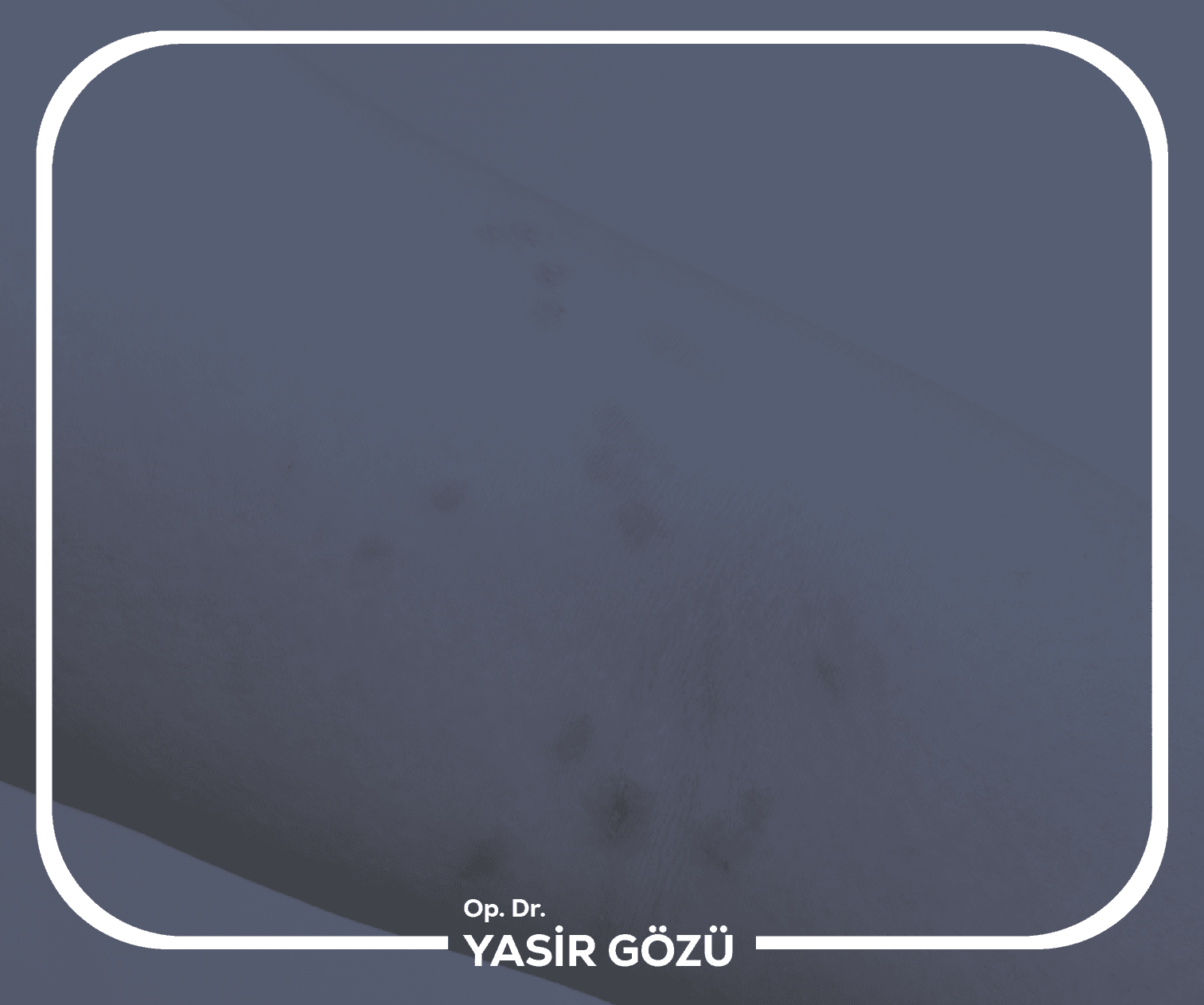
What Is Hidradenitis Suppurativa?
Hidradenitis suppurativa is a skin condition that results from chronic inflammation of the sweat glands. It typically causes pain along with pus-filled nodules and abscesses, and is usually seen in friction-prone areas such as the armpits, groin, and under the breasts. The disease has a strong tendency to recur.
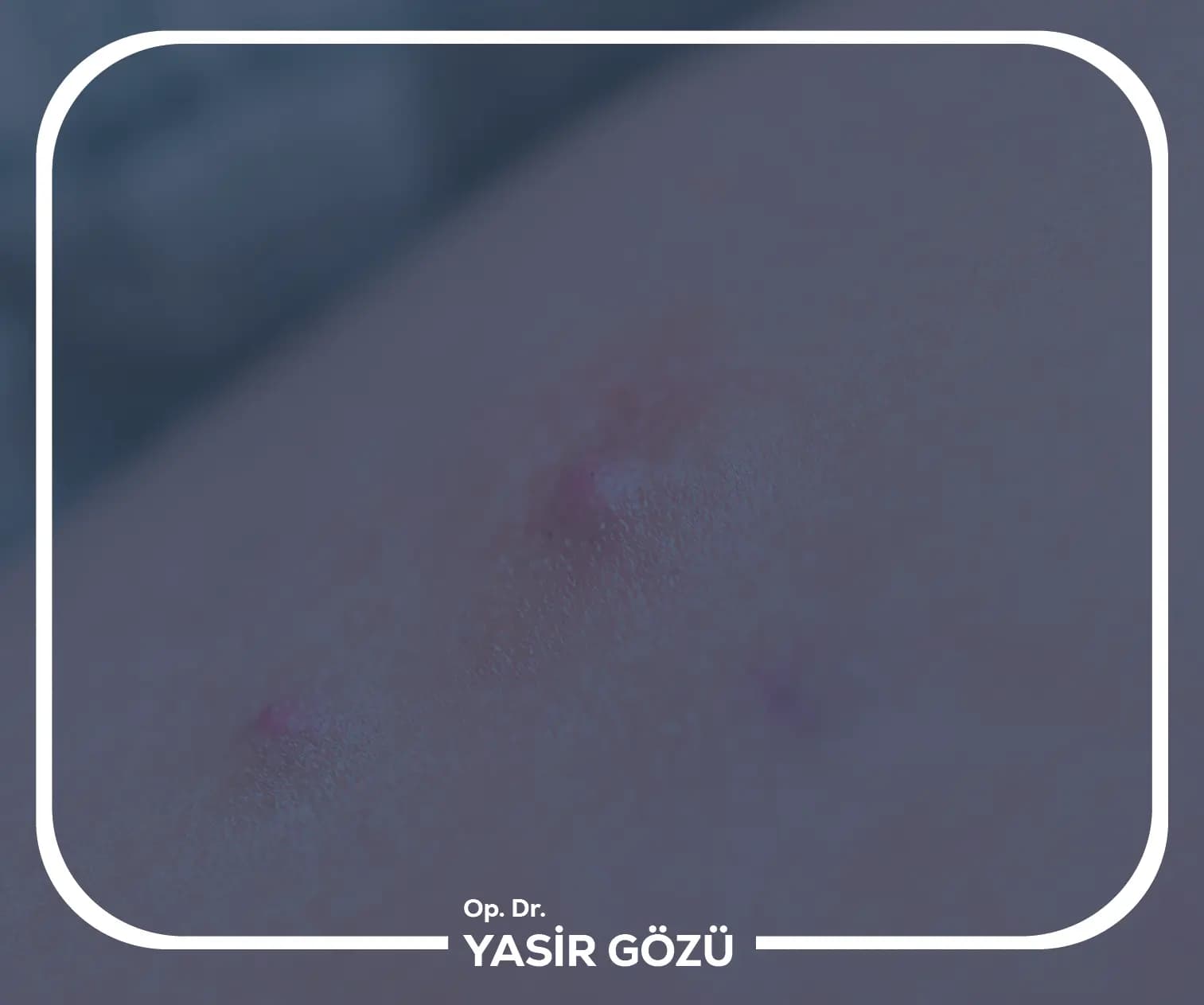
Symptoms of Hidradenitis Suppurativa
The symptoms of hidradenitis suppurativa include painful, pus-filled nodules and abscesses that form beneath the skin; these nodules usually appear in friction-prone areas such as the armpits, groin, and chest. As the disease progresses, these nodules can rupture, leading to long-lasting non-healing wounds and deep, permanent scar tissue.

Laser Hidradenitis Suppurativa Treatment
Laser treatment for hidradenitis suppurativa is a method that targets and effectively and rapidly vaporizes the inflamed nodules and abscesses. Offering a minimally invasive approach, this treatment provides less pain and a faster recovery process compared with traditional surgery, so patients can return to their daily lives sooner.