Treatments
Anal Aesthetics Treatment
Anal aesthetics corrects appearance changes in the anal area that develop after childbirth, hemorrhoids or skin sagging. In suitable cases it is performed with laser; suture-free and as a day procedure.
What Is Anal Aesthetics?
The anus is the final part of the digestive system. It is responsible for the controlled passage of stool. This region contains the muscles that control bowel movements and surround the anal canal.
What Is Anal Aesthetics?
Although the anal region may be out of sight, anal deformities play an important role in our lives. While aesthetic concerns here are usually not as prominent as for other parts of the body, for some people the appearance of this area becomes extremely important. Although often overlooked, anal deformities can lead to psychological and emotional problems for some individuals. For this reason, paying attention to this issue and finding a solution has the potential to improve a person's quality of life.
Driven by the desire for a smooth-looking anus, some patients turn to surgery, but unfortunately, excessive operations can harm the natural structure of the anus. In such cases, patients may experience abnormal narrowing and, as a result, face difficulties with defecation.
Your Questions
Let Us Answer Right Away!
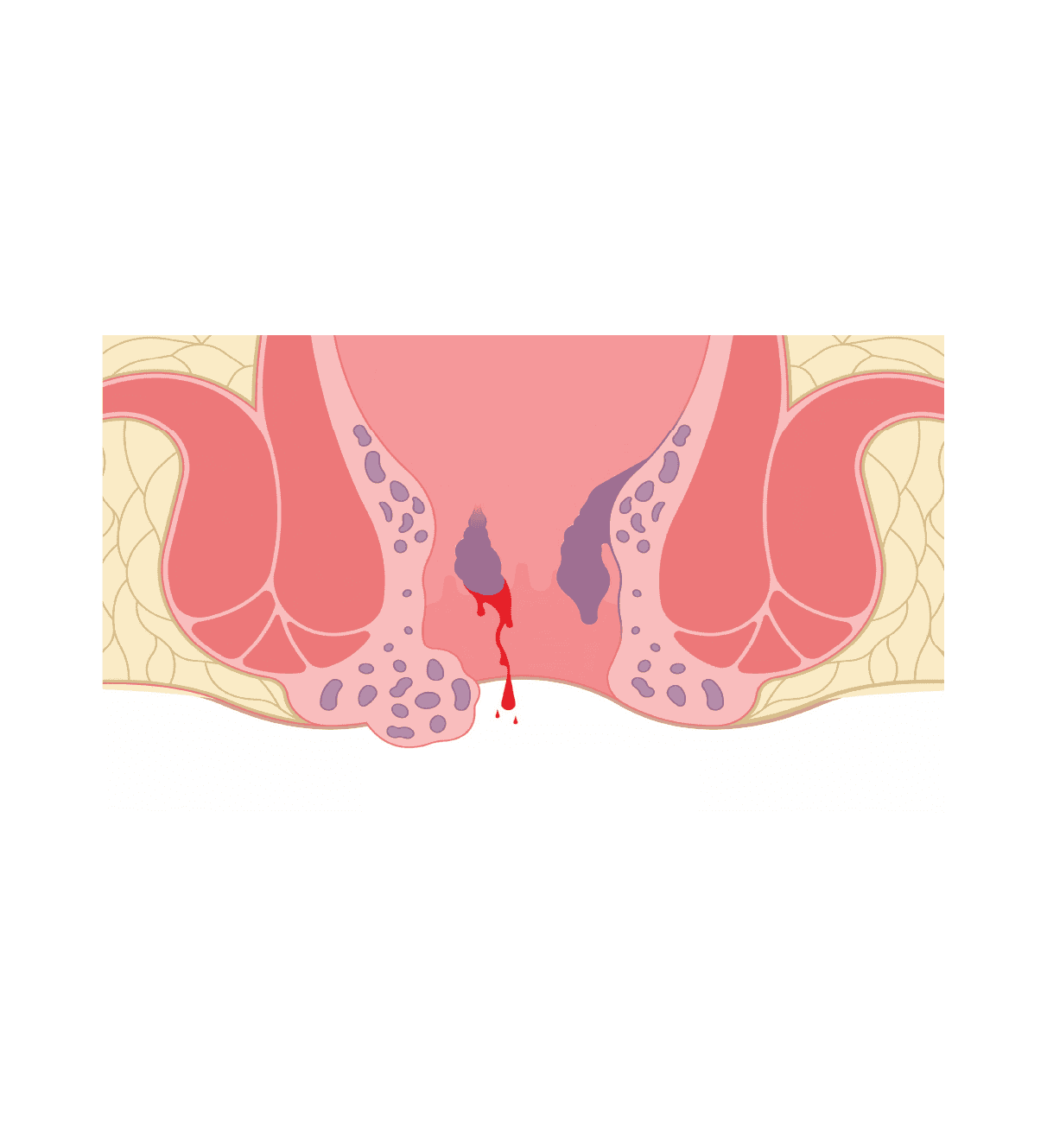
Conditions That May Require Anal Aesthetics Can Be Summarized as Follows
- Fleshy growths called polyps
- Sentinel piles or skin tags caused by hemorrhoids and anal fissures
- Deformities resulting from conventional hemorrhoid surgery
- Inflammation in the anal region, such as dermatitis or folliculitis
- Accidental injuries
- Recurrent HPV infections and the treatment of these infections
- An anal cosmetic procedure may be needed in situations such as anal intercourse or the insertion of foreign objects into the anus. In particular, people who engage in anal intercourse may experience problems such as gas or stool incontinence due to relaxation of the sphincter muscles.
What causes deterioration of the anal tissues?
Traditional surgeries performed for rectal conditions, or events that increase straining, can distort the physical appearance of the anus. Damage caused by trauma and disease can also affect the appearance of the anus.
What are the symptoms of anal prolapse?
The causes above can sometimes lead to the formation of polyps around the anus. Because of these polyps, people may be unable to clean the anus properly. This leads to staining of the underwear after going to the toilet. The skin around the anus can become irritated, especially in the summer months.
- Itching in and around the anus
- A feeling of swelling after going to the toilet
- A sensation of moisture and unpleasant odor around the anus
- Cracks and sores on the skin
- Pain caused by large hemorrhoid cushions being compressed while sitting
In addition to symptoms that cause personal discomfort, people may also be bothered during sexual intercourse by their partner's anus and the residue surrounding it. This can greatly affect the self-confidence of people with anal problems. For this reason, it is very important for those who cannot cope with such issues to seek treatment. Thanks to today's anal aesthetics, anal deformities that can even affect a person's mood are no longer a problem. With the right treatment methods, the anus can be restored to its former physical appearance.
How is anal aesthetic surgery performed?
- In anorectal surgery, different treatment methods are used depending on the patient's condition. These methods can be grouped into four categories: laser, electrocautery, radiofrequency, and surgery.
- In anogenital aesthetics, deformities are treated under local anesthesia.
- However, if the physical irregularities in and around the anus are caused by rectal diseases, these diseases must be treated first.
- If rectal diseases (hemorrhoids, fissures, fistulas, rectal prolapse, etc.) are treated with modern methods, the patient can return home or to work the same day. After treatment, it is very important for the patient to follow hygiene guidelines.
- Patients undergoing anal aesthetics treatment at the Avrupa Cerrahi Proctology Center can expect a comfortable procedure.
- The treatment takes 10 to 15 minutes.
- Specialists in rectal diseases perform the examination and treatment on the same day.
- General anesthesia is not administered during the procedure; only local anesthesia is used.
- No pain is felt during the procedure; afterwards, pain is minimal in most patients.
- In the modern anal cosmetic surgery method, no stitches or incisions are made in this area. This preserves the patient's tissues.
- The inflammation and abscesses that can occur after traditional procedures do not develop.
- Chronic conditions such as heart disease, diabetes, and liver disease are not obstacles to treatment.
What is anoplasty?
Anoplasty is a term meaning 'reconstruction'. Anoplasty can be described as the reconstruction of the anus. An anastomosis is required to correct loss of function in the anal region. When it comes to anal aesthetics, appearance may seem to be the first priority, but the decision is made during the procedure based on the functional condition of the anus. While anal aesthetics is performed to eliminate conditions that create a visually unpleasant appearance of the anus, anoplasty is used to restore the functions of the anus. Anoplasty also treats any internal or external hemorrhoids that may be present. For example, if incontinence is caused by muscle atrophy, or if excessive narrowing makes going to the toilet impossible, surgical treatment may be required.
Anal Aesthetics Treatment
Laser Method
By combining treatments to spare his patients from surgery, the laser treatment method applied by Yasir Gozu, MD has enabled many patients to return to their daily lives on the same day.
Blogs About Anal Aesthetics

What Is Anal Aesthetics?
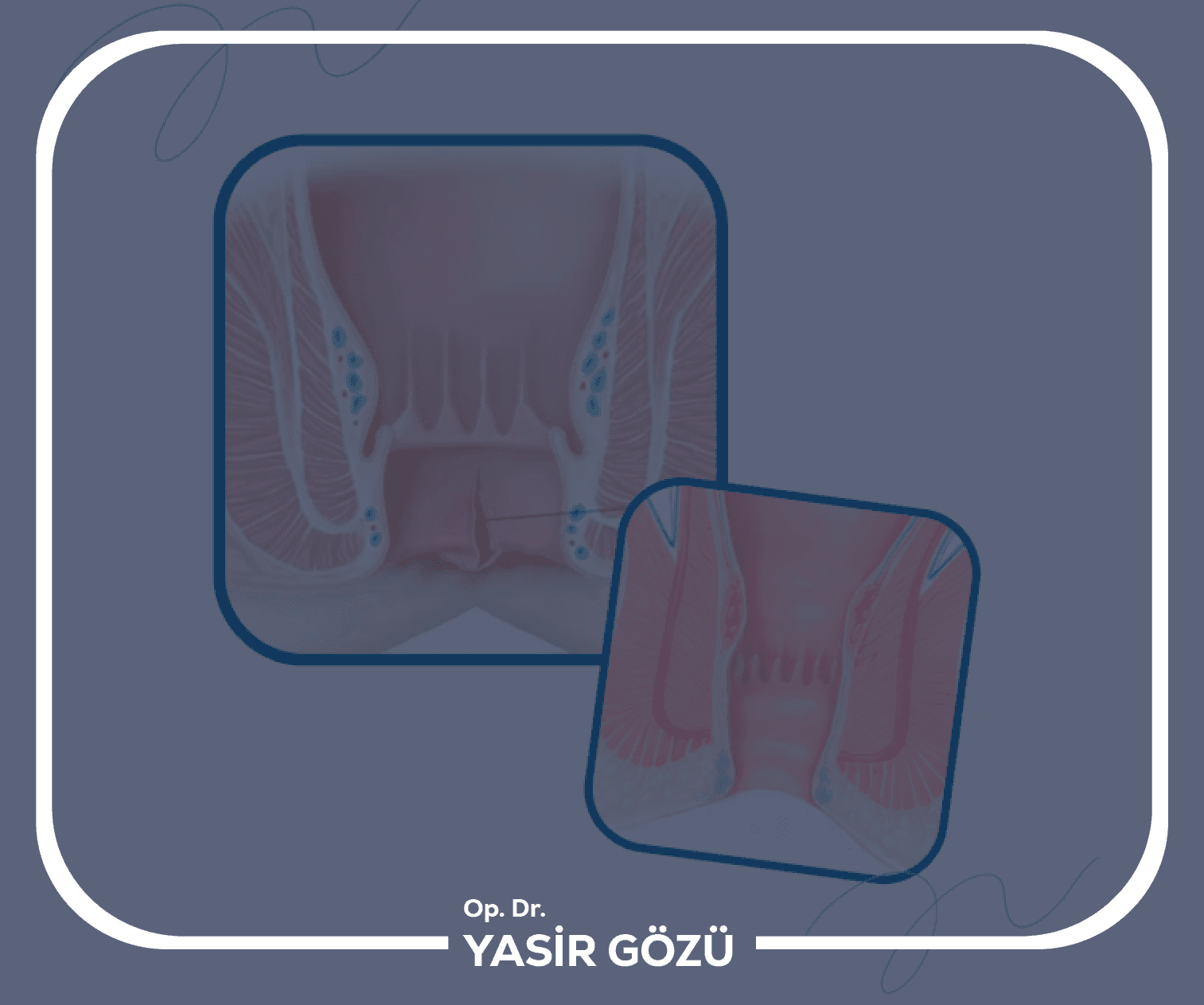
Anal aesthetics covers surgical and non-surgical procedures performed to improve the appearance of the anal region, which is often found aesthetically bothersome due to issues such as discoloration, cracks, or hemorrhoids. These treatments may include methods such as pigmentation correction, tissue repair, and reshaping to give the area a smoother, healthier appearance.
Why Have Anal Aesthetics?
Anal aesthetics is important for individuals who feel personal discomfort due to aesthetic problems in the anal region, as these treatments provide both physical and psychological relief. In addition, these procedures correct skin tone irregularities, cracks, and other aesthetic issues in the anal area, contributing to a healthier and cleaner appearance.
Anal Aesthetics Treatment
Anal aesthetics treatment aims to correct aesthetic problems in the anal region using various methods such as laser applications, filler injections, and surgical procedures. These treatments are specifically designed to improve the appearance of the anal area, correct discoloration, and renew the skin tissue, so individuals can feel more comfortable and confident.