Treatments
Anal Fissure Treatment
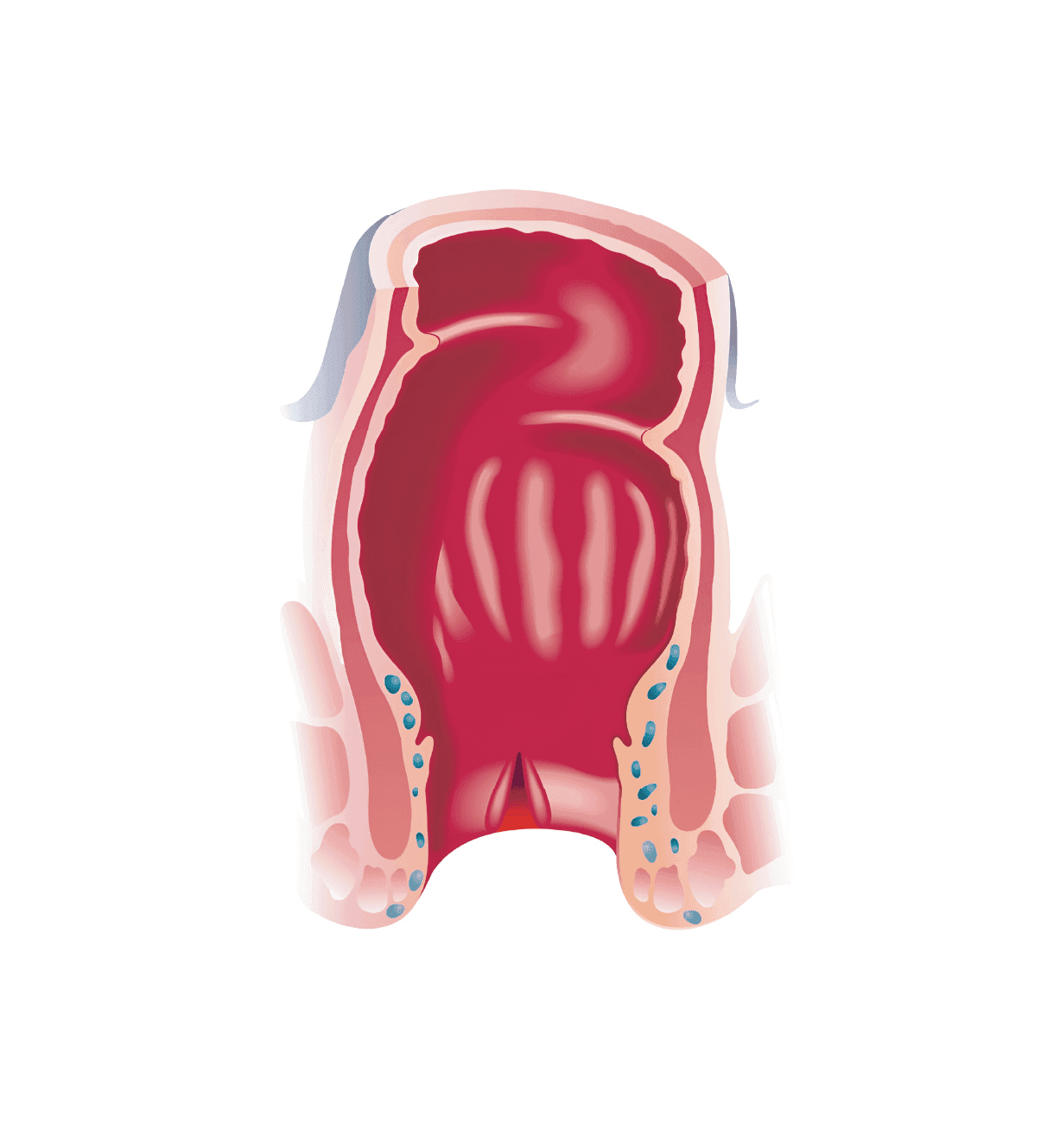
An anal fissure is a tear in the skin of the anal canal that causes sharp pain due to the area's dense nerve endings. With the right plan, most fissures heal without surgery; laser options are considered in chronic cases.
What is an anal fissure? Symptoms and treatment methods
An anal fissure can occur in the area of skin extending from the anal canal, the final section of the rectum or large intestine, to the anus. The anal area is highly sensitive because it contains dense nerve endings. Tears that form in this area can be extremely uncomfortable for patients. Anal fissures, which usually appear on the inner part of the anal canal, can significantly reduce a person's quality of life if left untreated.
What Is an Anal Fissure?
An anal fissure is defined as a vertical tear in the squamous epithelium and mucosa of the anal area, and it usually forms in the anoderm, one of the weakest parts of the anus. It can affect both men and women of all age groups, and it is also common in infants. In babies, anal fissures can result from bowel problems, gas buildup, or difficulty passing stool. The condition causes pain in the anus, making the baby reluctant to go to the toilet, and a vicious cycle develops. With the right treatment, an anal fissure can heal. An anal fissure may be acute, and if left untreated it can become chronic.
Anal Fissure Symptoms: What Is Happening?
People with an anal fissure experience various complaints of pain and discomfort that differ from person to person. Everyone's experience is different, so the severity of symptoms can vary from one individual to another. That said, a sharp, tearing pain during bowel movements is a symptom shared by most patients. Severe pain that continues for a while after using the toilet can affect patients' mood. To avoid this pain, some people postpone going to the toilet or tense up, which can make the fissure even worse. In addition, symptoms such as irritation, itching, swelling, and minor bleeding in the anus can accompany an anal fissure. If the fissure deepens and becomes chronic, there is also a risk of skin tag formation and inflammation. A chronic anal fissure can affect not only the anus but also the urinary tract, causing difficulties such as dysuria (a burning sensation when urinating), pollakiuria (frequent urination), or urinary retention (inability to urinate). Because anal fissure symptoms can be confused with other serious health problems such as hemorrhoids, rectal cancer, and rectal abscess, remember that medical support is essential for an accurate diagnosis and treatment.
Your Questions
Let Us Answer Right Away!
Anal Fissure Diagnostic Methods
Diagnosing an anal fissure requires a detailed medical evaluation in addition to the patient's symptoms. The doctor performs a physical examination to identify the fissure; the presence of the tear is determined through visual inspection and digital examination. During the examination, the patient may be asked to stand and lean forward onto the examination table on their forehead or elbows. If the doctor suspects other health problems, advanced tests such as colonoscopy or rectosigmoidoscopy may be requested. Manometric measurement may also be performed during the diagnosis of an anal fissure; while the anal canal pressure at normal rest is around 90 cm H2O, this pressure has been found to increase when an anal fissure is present.
Practices That Help an Anal Fissure
The anal fissure treatment process aims to relax the muscle groups and provide relief. Various methods that patients can apply on their own can support this relief. Warm sitz baths greatly help the muscles relax by reducing tension in the area. The use of local anesthetic creams is also quite effective in easing pain. Beyond this, a person's living habits are extremely important. Eating habits and toilet routine play a critical role in managing an anal fissure. Since constipation is one of the most common causes of anal fissures, a regular, healthy diet with plenty of fiber-rich foods can be effective in preventing this problem. For this reason, establishing regular toilet habits is highly recommended, along with preventing constipation.
What Causes an Anal Fissure?
An anal fissure can result from genetic makeup or from lifestyle factors such as eating habits and toilet routine. Genetically, the ring at the anal outlet may be narrower than it should be, in which case it is more affected by straining and the formation of a fissure becomes inevitable. In some people, the sphincter muscle is harder and tighter than it should be.
Apart from genetic causes, the most important cause of anal fissures is toilet routine. Anal tears are seen in people who cannot have regular bowel movements, who strain on the toilet, and who suffer from long-term constipation or diarrhea. When constipation makes going to the toilet difficult, straining and irritation cause tearing. In the case of diarrhea, tearing can occur because of frequent bowel movements and the repeated washing and drying involved. Another cause of anal tears is vaginal childbirth. The tear forms as a result of pushing and straining during delivery. Although rare, Crohn's disease, sexually transmitted diseases, and ulcerative colitis are also among the conditions that can cause anal fissures.
Anal Fissure Treatment: A Three-Stage Treatment Process
An anal fissure is a very uncomfortable condition that most people may encounter at some point. But do not worry; we have a powerful three-stage treatment process to deal with this problem! The first step is to radically review your lifestyle and try to solve the problem at its root. By changing your eating habits, you can give your body the best possible support. However, if the problem stems from a genetic factor, these changes may not be enough. That is where the second stage comes in: a muscle-relaxant injection. The medication is carefully injected into the sphincter muscles to relax them. Because it is a simple procedure that does not require surgery, it has become popular among patients. But sometimes injection therapy alone may not be sufficient, or the problem may recur. Finally, the third stage comes into play: the surgical option. If other methods do not provide a lasting solution, surgery may become unavoidable.
Anal Fissure Surgery: A Promising Solution
That unbearable pain in the anus, bleeding, and a worsening condition all point to the need for anal fissure surgery. At this stage, you have a surgical option called 'lateral internal sphincterotomy'. During this procedure, the portion of the sphincter where the tear and wound are located is skillfully removed. But take note! This procedure must be performed meticulously by expert doctors, because if too much lining is removed from the wound area, problems such as incontinence or leakage can occur. Usually performed under general anesthesia, the operation takes only 20 minutes. Through a small 1.5 cm incision in the anal area, the 10-15 mm section causing the tear is removed. If necessary, sutures will be placed to close the incision, though in most cases even this may not be needed. Remember, this operation is a way to regain the comfort and health you want to live with!
Disadvantages of Anal Fissure Surgery
Anal fissure surgery can carry a risk of certain surgical complications. These complications include:
- An infection may develop in the anal area after surgery. If this infection is not treated, there is a risk of a perianal (rectal) abscess forming.
- If patients do not take the necessary precautions after surgery to prevent the anal fissure from returning, the fissure may recur.
- A perianal fistula may develop as a result of the bowel mucosal surface being opened during surgery.
- Cutting the internal sphincter muscle during surgery can lead to stool or gas incontinence.
- Bruising or bleeding may be observed in the anal area after surgery.
Non-Surgical Anal Fissure Treatments
An anal fissure is a distressing problem that anyone can face, but there is no need to worry! Non-surgical treatment methods offer excellent options for relieving this problem. Here are the treatment options:
- Muscle relaxant injection therapy
- Electrosurgical treatment
- Radiofrequency treatment
- Laser treatment
These innovative methods can be applied individually or in combination, depending on your condition.
Advantages of Non-Surgical Anal Fissure Treatment
Non-surgical treatment methods offer patients numerous advantages:
- Anal fissure treatment takes about 5-8 minutes; you can return to your daily life in no time.
- This fast and effective method does not require a hospital stay; it is a practical procedure performed in a short time.
- No general anesthesia is needed; local anesthesia to numb the area gives you a comfortable experience.
- No special preparation is needed for the procedure.
- You do not have to deal with additional tests or analyses; remaining fully conscious during the procedure is reassuring.
- Pain during and after the procedure is minimal, which shows how easy the process is.
- Because there are no surgical incisions or sutures, there is no risk of tissue damage in the anal area.
- There are none of the uncomfortable measures used in conventional surgery, such as packing placed in the anus.
- Being able to return to your daily life immediately after treatment gives you great freedom.
- People with chronic conditions can also easily benefit from these treatment methods; patients with high blood pressure, diabetes, or heart disease can continue taking their medications.
- Complications common after surgery, such as gas or stool incontinence, are completely avoided with these non-surgical methods.
- Being able to have both your examination and your treatment on the same day speeds up your return to your social and work life.
To leave this condition that is affecting your life behind with non-surgical solutions, you can seek a specialist's opinion and, with the right treatment, pick up your daily life where you left off.
Anal Fissure Treatment
The Laser Method
Setting surgery aside, Yasir Gozu, MD has made a significant contribution to the care of his patients with the laser treatment method. Thanks to this innovative approach, many people have been able to return to their lives the same day. This valuable service provided by Dr. Yasir Gozu has been a life-changing turning point.
Blog Posts About Anal Fissure
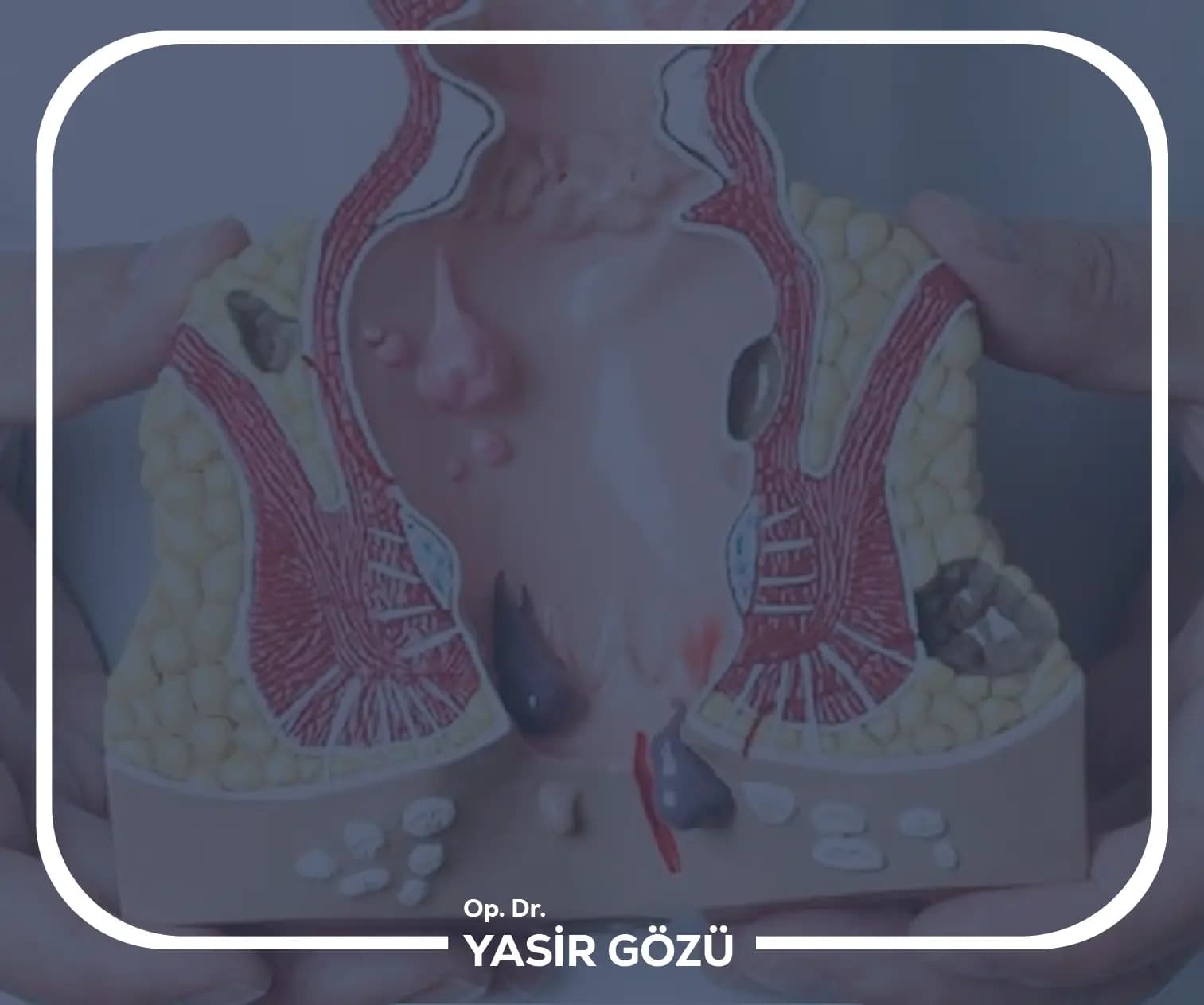
What Is an Anal Fissure?
An anal fissure is a small tear or crack in the thin mucosa of the lower anal canal. It typically causes pain during and after bowel movements along with a small amount of bright red bleeding.
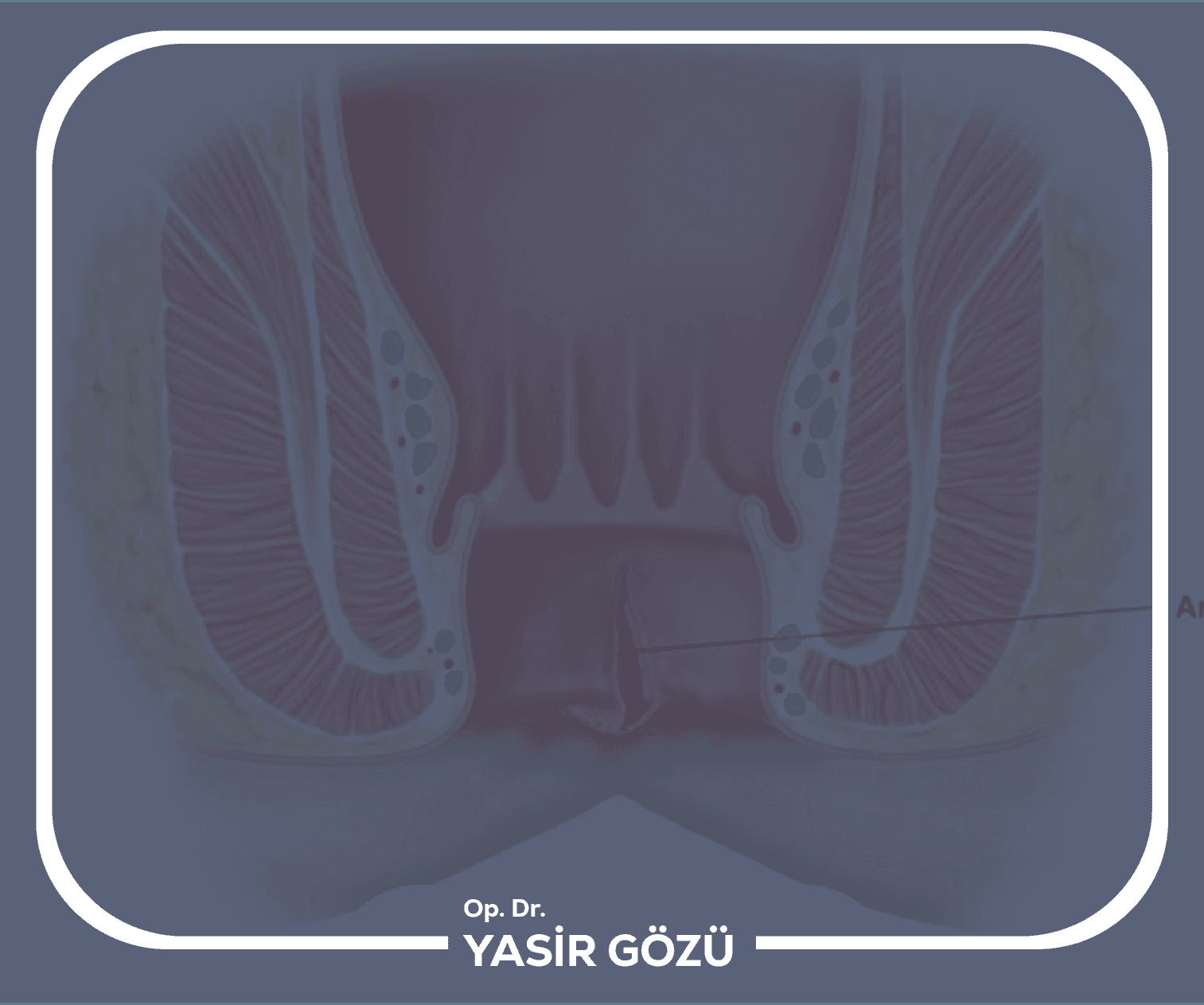
Anal Fissure Symptoms
Anal fissure symptoms include sharp, burning pain during and after bowel movements; bright red blood on the toilet paper or on the stool; and a feeling of discomfort around the anus. The pain can sometimes last for hours.
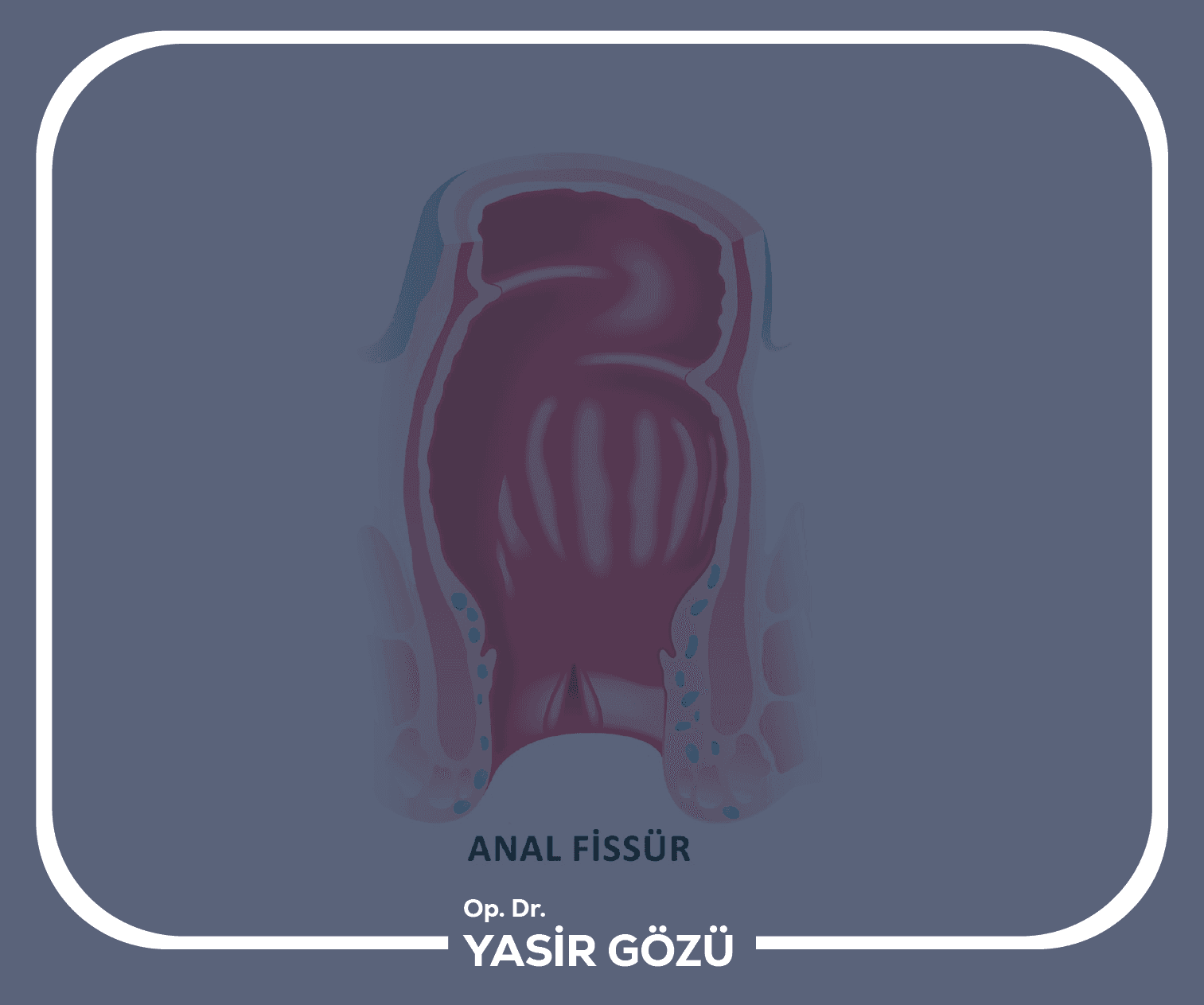
Laser Anal Fissure Treatment
Laser anal fissure treatment is a modern technique that treats anal fissures with a minimally invasive method. With a fast recovery time and less pain, it increases patient comfort while delivering effective results.