Treatments
Rectal Bleeding Treatment
Rectal bleeding is not a disease itself but a symptom of many conditions, from hemorrhoids to fissures; what matters is finding the source. At our clinic, the cause is clarified with a same-day examination and treatment targets the cause.
Rectal Bleeding Treatment
Bleeding from the anus, or rectal bleeding, is a condition that significantly affects a person's quality of life and is one of the main symptoms of many conditions such as bowel syndrome, hemorrhoids, and anal fissure. It can also be an early warning sign of colon polyps, colon and rectal cancer, and some sexually transmitted diseases. This bleeding can occur during bowel movements or become noticeable on toilet paper or underwear. Rectal bleeding, which is quite common in society, is a condition that should be taken seriously, and the cause of the bleeding must be investigated. Because it is a sensitive area, rectal bleeding is often not discussed and people are reluctant to see a doctor; waiting for it to go away on its own can lead to the progression of the underlying condition and prolong the treatment process.
What Is Rectal Bleeding?
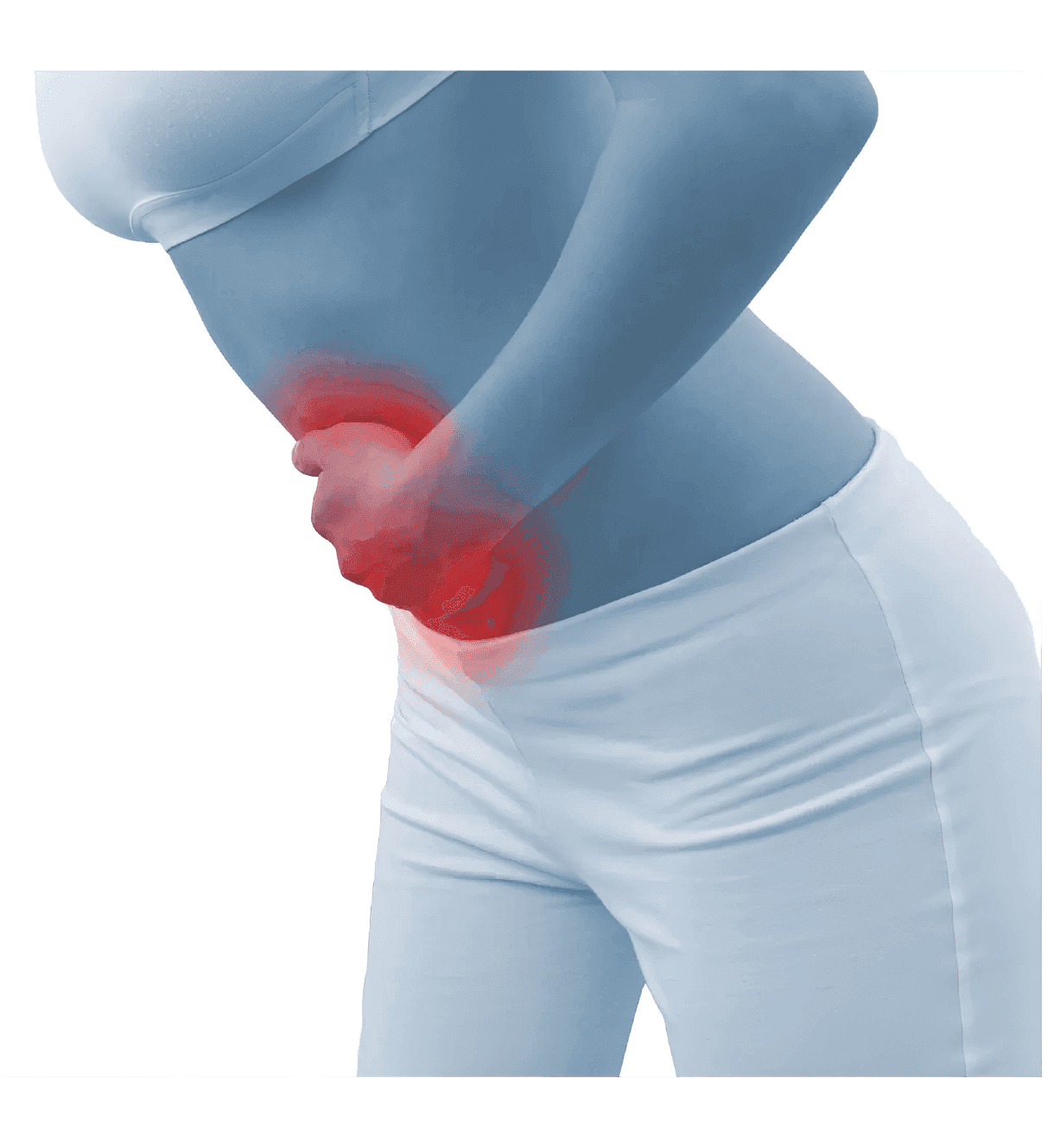
Rectal bleeding, also called perianal region bleeding or lower gastrointestinal system bleeding, is a symptom that can be a harbinger of many serious health problems and needs to be taken seriously. A person may notice the bleeding while resting, during defecation, or during cleaning, and the intensity of the bleeding can vary depending on the situation. The bleeding may appear as a streak in the stool, painful or painless, drop by drop, clotted, on toilet paper, or as fresh blood when the person goes to the toilet.
What Are the Symptoms of Rectal Bleeding?
Bleeding from the anus should be considered one of the most important symptoms of bowel disease. Rectal bleeding accounts for 20% to 30% of all digestive system bleeding.
Rectal bleeding can be in the form of seepage or dripping, but it can also be active and heavy bleeding. In some cases, only slight bleeding may be seen on toilet paper.
While bleeding from the left side of the colon, closer to the anus, is usually bright red and light in color, bleeding from the right side of the colon is usually blackish-red in tone and may mix with the stool or sometimes appear as hidden bleeding without any symptoms. This type of bleeding can often be a sign of anemia.
What You Are Curious About
Let Us Answer Right Away!
Bleeding that occurs in the stomach and duodenum is called "melena." Melena is a type of black bleeding. This type of bleeding takes on a black appearance because of the digestion of the blood.
Anal fissure is a condition that can result from various causes such as constipation, childbirth, ulcerative colitis, and Crohn's disease. It can be defined as sores that occur around the anus. An anal fissure can cause severe pain during and after defecation, along with bleeding from the anus. This condition, which can affect both men and women, usually creates a burning sensation during bowel movements, and some people experience a tearing or cutting sensation. Seeing a few drops of blood on toilet paper is also common. Preventing constipation is extremely important in the treatment of anal fissures, and this treatment may include dietary changes, creams, and, depending on the size of the fissure, surgical methods.
An anal abscess is an inflamed mass that forms around the anus; this condition usually causes swelling in that area. It presents with symptoms such as pain, burning, shivering, itching, purulent discharge, and bleeding from the anus. Conditions such as diarrhea, Crohn's disease, tuberculosis, and diabetes can lead to anal abscesses, and the treatment of these abscesses is usually carried out by draining them. In rare cases, an anal abscess can recur.
How Is Rectal Bleeding Treated?
Rectal bleeding can be a symptom of various diseases of the rectum. In the case of acute bleeding, it can usually stop on its own. The first step is to take a detailed history of the patient's symptoms, the duration and color of the bleeding, bowel habits, and other relevant findings, and to make a preliminary diagnosis of potential causes. Problems such as bleeding hemorrhoids, fissures, or anal polyps can be detected directly by physical examination. However, for causes of bleeding that cannot be determined by physical examination, an endoscopic examination may be required.
Rectosigmoidoscopy is a method used to examine the inner surface of the rectum (the 30-40 cm long section connecting the large intestine to the anus). In some cases, a colonoscopy may also be performed to examine the entire large intestine. The proctologist will examine the patient and decide which endoscopic method to use. In addition to diagnosing the disease, endoscopy also helps to find and stop the source of the bleeding. Once the cause of the bleeding is determined, the most appropriate treatment method is chosen for the patient.
Non-surgical alternative methods are available for treating bleeding caused by hemorrhoids, anal fissures, and polyps. Please click the link to learn more about our non-surgical treatment methods.
Patients with rectal bleeding, following a detailed physical examination and determination of the source of the bleeding, can be examined and treated on the same day if the problem is identified as a benign disease of the anal area such as hemorrhoids, anal fissure, or polyps. With non-surgical laser methods, the treatment process is quite short. When you are treated under local anesthesia on the same day, you can quickly return to your social and work life.
Advantages of Non-Surgical Treatment in Rectal Bleeding Treatment
- The non-surgical treatment process for rectal bleeding takes about 5-8 minutes.
- The procedure is fast and, like a dental filling, does not require a hospital stay.
- It does not require general anesthesia; local anesthesia is preferred to numb the area.
- People do not need to make any prior preparation for this procedure.
- It does not require additional tests or analyses; the patient stays awake during the procedure.
- Pain during and after the procedure is quite mild.
- Because there is no surgical intervention such as incisions or stitches, no tissue damage occurs in the anal area.
- While a tampon is placed in the anus in traditional surgical methods, this is not necessary in non-surgical treatment.
- People can return to their daily activities immediately after treatment.
- Individuals with systemic and chronic diseases can also undergo painless laser treatment effortlessly; those with hypertension, diabetes, and heart disease can continue taking their routine medications.
- Complications such as gas and stool incontinence that can be seen after surgery do not occur with the non-surgical treatment methods we apply.
- Patients can be examined and treated on the same day, and after the non-surgical treatment applied for rectal bleeding, the person can return to their social and work life.
What Does Rectal Bleeding Indicate?
Rectal bleeding is a condition that can indicate many health problems and needs to be taken seriously. While the most common causes include hemorrhoids, anal fissure, and infections, more serious health problems such as colorectal cancer or inflammatory bowel diseases may also be involved. The color and intensity of the bleeding can provide certain clues about the underlying cause; for example, bright red blood usually indicates a problem in the anal area, while dark blood may originate from deeper, higher parts of the intestine. For this reason, when rectal bleeding is noticed, it is important to consult a health professional without delay and take the necessary steps for proper diagnosis and treatment.
When Is Rectal Bleeding Dangerous?
Rectal bleeding should be examined carefully because in some cases it can be a sign of serious health problems. When the amount of bleeding is very high, becomes continuous, or dark-colored blood is seen in the stool, it may require urgent medical intervention. Such bleeding can indicate significant conditions such as colorectal cancer, serious intestinal infections, or inflammatory bowel diseases. Beyond that, if symptoms such as severe abdominal pain, dizziness, shortness of breath, or general weakness accompany the bleeding, these are dangerous signs that require urgent medical attention. For this reason, when rectal bleeding occurs, promptly consulting a doctor is critically important for determining the underlying cause and starting appropriate treatment.
Rectal Bleeding Treatment
Laser Method
The laser treatment method applied by Yasir Gozu, MD, who spares his patients from surgery by combining treatments, has enabled many patients to continue their daily lives on the same day.
Blogs Related to Rectal Bleeding
What Is Rectal Bleeding?
Rectal bleeding is bleeding from the anus (rectum) and usually manifests as red blood seen in the stool. This condition can be due to various causes such as hemorrhoids, anal fissure, polyps, or more serious health problems.
Rectal Bleeding Symptoms
Symptoms of rectal bleeding include seeing red blood in the stool or on toilet paper, or noticing blood as a stain on underwear. In addition to the bleeding, other digestive problems such as abdominal pain, diarrhea, or constipation may accompany it.
Laser Rectal Bleeding Treatment
Laser rectal bleeding treatment carefully vaporizes the affected vessels or tissues, specifically targeting conditions such as hemorrhoids and anal fissure. This minimally invasive method offers patients a less painful healing process and the ability to return to normal activities in a short time.