Treatments
Pilonidal Sinus Treatment
Pilonidal sinus, commonly known as an ingrown hair cyst, forms when hairs become embedded under the skin and is most common in young men. In suitable cases it is treated without surgery using laser and micro techniques, with same-day return to daily life.
What Is a Pilonidal Sinus?
What Is a Pilonidal Sinus?
Pilonidal sinus, commonly known as ingrown hair disease, is a condition most often seen in men under 30; it is characterized by hairs becoming embedded under the skin. Pilonidal sinus is a skin condition that leads to the formation of cysts under the skin and can develop fistula tracts connecting to the skin through various inflamed channels. Once a cyst forms, debris under the skin (hair, oil, epithelial tissue, and other skin components) accumulates and creates inflamed tissue.
Because the cyst fills with hair, a pilonidal abscess can develop if it becomes infected. If this is not treated in time, the abscess can spread to other hair follicles and advance into the subcutaneous fat tissue. A pilonidal sinus, formed by the accumulation of loose shed hairs and hair clusters, presents with symptoms such as swelling, hardness, discharge, and pain.
Pilonidal sinus is three times more common in men than in women. It is most frequently seen between the ages of 15 and 30. Although hair structure is a determining factor in the development of pilonidal sinus, certain conditions can make the problem more likely.
Being overweight, sitting for long periods, and sweating excessively are among the factors that can lead to a pilonidal sinus. The movement of the buttock muscles while walking or sitting can drive hairs deeper into the skin, causing the condition.
For this reason, pilonidal sinus is more common in occupational groups such as bankers, students, and drivers, and in people who take part in sports such as cycling or horseback riding. In addition, dense and thick hair, thick skin, poor hygiene, and a very hairy body type are other important causes of this condition.

Your Questions
Let Us Answer Right Away!
What Causes a Pilonidal Sinus?
One cause of pilonidal sinus is hairs shed from the back that collect in the tailbone area, twist, and work their way under the skin. In addition, sitting for long periods, being overweight, excessive sweating, strenuous physical activities such as heavy lifting, and riding motorcycles or bicycles are other factors that can lead to a pilonidal sinus.
The fundamental cause of pilonidal sinus formation is inflammation or abscess of the hair follicle. A pilonidal sinus in the tailbone area usually appears in the region just above the coccyx. Small openings that form in this area can allow multiple hairs to cluster together and cause a pilonidal sinus.
How Does a Pilonidal Sinus Form?
In short, a pilonidal sinus occurs when hairs penetrate the skin and become trapped underneath it. It is especially common in the tailbone area. The hairy nature of this region stands out as the main cause of pilonidal sinus.
Tight-fitting trousers also contribute significantly to pilonidal sinus. Hairs changing direction between the buttocks and burrowing inward can lead to a pilonidal sinus in this area. Hair shed from the back is another contributing factor.
What Are the Causes of Pilonidal Sinus?
A pilonidal sinus arises when a cyst forms under the skin, fills with skin debris, and, unable to expel that debris, becomes inflamed and swollen.
A pilonidal sinus, which usually occurs between the buttocks, can be mistaken for a simple pimple or lesion. However, if too much hair accumulates in the area, it can become a painful process accompanied by an abscess. The symptoms of pilonidal sinus are:
- Discharge
- Pain
- Itching
- A burning sensation
- Although pilonidal sinus is most often seen between the buttocks, it can also develop in the armpits, the navel, or the groin.
How Are the Symptoms of a Pilonidal Sinus Recognized?
A pilonidal sinus can usually be diagnosed when the patient sees a doctor with complaints such as itching and swelling in the area. A definitive diagnosis is made through an anal examination performed by an experienced doctor.
Pilonidal sinus can usually be diagnosed with an effective physical examination, without the need for imaging methods such as MRI, ultrasound, or X-ray. However, if the situation is unclear, the doctor may request additional tests.
Pilonidal Sinus Treatment Methods
If the pilonidal sinus is in its early stages and the person has no discomfort, surgery is generally not the first choice. Depending on the doctor's recommendation, it can be treated with painkillers or antibiotics.
An inflamed pilonidal sinus cannot heal on its own without intervention, because of the hair inside it.
Pilonidal Sinus Surgery
Pilonidal sinus surgery is a procedure that demands great care. An unnecessary operation can turn a simple pilonidal sinus into stubborn wounds and a nightmare.
In advanced cases that do not respond to treatment, the diseased tissue must be removed. After this area is excised, suturing can cause skin tears and gaps, and the tension on the skin can lead to the emergence of new sinuses.
In addition, post-operative tightness restricts movement. If the wounds are left open, dressing changes may be needed for months. For these reasons, pilonidal sinus surgery should be performed by an expert physician.
After Pilonidal Sinus Surgery
The recovery period after pilonidal sinus surgery varies according to the method used. With crystallized phenol procedures, healing usually takes 6 to 8 weeks, while with open surgery this period can extend to 8 to 10 weeks, and with semi-closed methods it can be 3 to 4 weeks.
After surgery, the time it takes patients to return to daily life ranges from 2 to 10 weeks. There are some important points to keep in mind after the operation. These can be managed with simple home care and by taking the medications prescribed by the doctor regularly.
After pilonidal sinus surgery, patients need to give special attention to the operated area. For example, showering daily with warm water, keeping the area free of hair using depilatory creams or laser treatments, and avoiding sweating are all very important.
In addition, depending on the type of surgery you had, you may need to pay attention to practices such as sitting down when using the toilet, climbing stairs slowly, and lying face down or on your side instead of on your back.
Disadvantages of Pilonidal Sinus Surgery
Pilonidal sinus surgery can lead to certain complications. The surgical complications can be listed as follows:
- The patient's daily activities may be restricted after surgery.
- Pain and discharge may occur after the operation.
- The pilonidal sinus may recur after surgery.
- The patient may need to dress the sutured area regularly.
- Patients should take care not to remain in a seated position when using the toilet.
- The patient may have difficulty passing stool and may feel pain from excessive straining.
- If the hygiene of the surgically treated area is neglected, infection or inflammation may develop.
Techniques Used in Non-Surgical Pilonidal Sinus Treatment
- Laser treatment
- Micro-sinusectomy treatment
- Crystallized phenol treatment
- Silver nitrate treatment
- Regenerative (stem cell) treatment
These methods can be used separately or in combination, depending on the individual's condition.
Why laser treatment for pilonidal sinus?
- The procedure takes 5-8 minutes.
- No general anesthesia is required; the procedure is performed under local anesthesia.
- Since no surgery is performed, no tests or lab work are needed beforehand; whether you have eaten or not is no obstacle to treatment.
- No incision is made.
- Because the tissue is not damaged, recovery is fast.
- You can have your examination and treatment at the same visit.
- Because the procedure is as quick and comfortable as a dental filling, no hospital stay is required.
- The level of pain in non-surgical pilonidal sinus treatment is lower.
- The complications of conventional surgery, such as severe pain, do not occur.
- It can also be performed on patients with chronic conditions (heart disease, diabetes, high blood pressure, arrhythmia, etc.).
Can a Pilonidal Sinus Come Back After Treatment?
After surgical or non-surgical treatment for pilonidal sinus, newly developed techniques have brought the recurrence rate down considerably. When the appropriate treatment method is chosen for these patients, the success rate increases significantly.
Pilonidal Sinus Treatment
The Laser Method
Yasir Gozu, MD, who has fundamentally changed his patients' lives, has succeeded in keeping people away from surgery by combining treatments. Thanks to the laser treatment method, many patients have been able to return to their daily lives the same day!
Blog Posts About Pilonidal Sinus
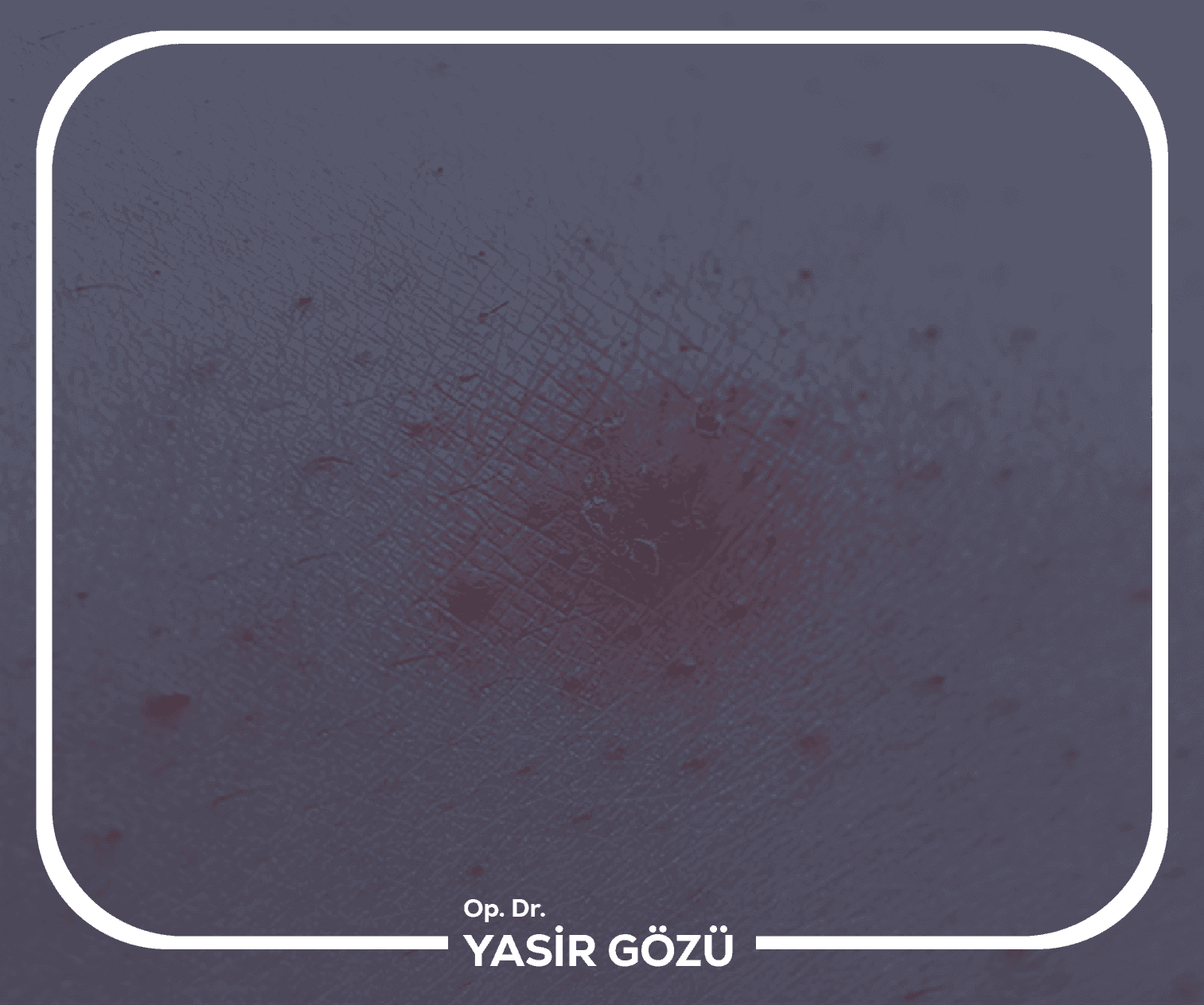
What Is a Pilonidal Sinus?
A pilonidal sinus is an inflamed condition caused by hairs embedding under the skin, especially in the tailbone area. Visit our website for treatment methods and more information.
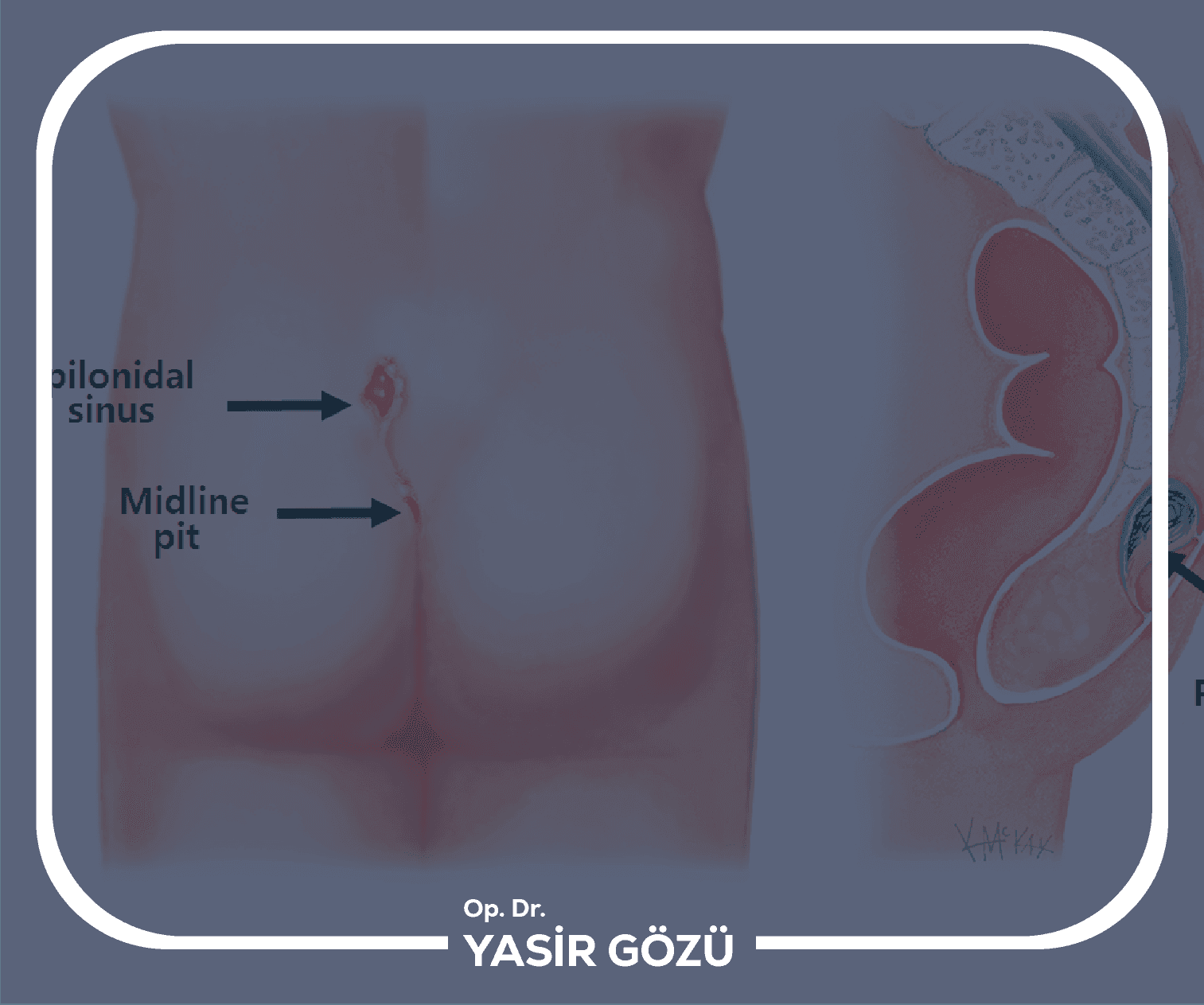
Pilonidal Sinus Symptoms
Pilonidal sinus symptoms include pain, redness, and inflamed discharge in the tailbone area. Visit our website for detailed information and treatment options.
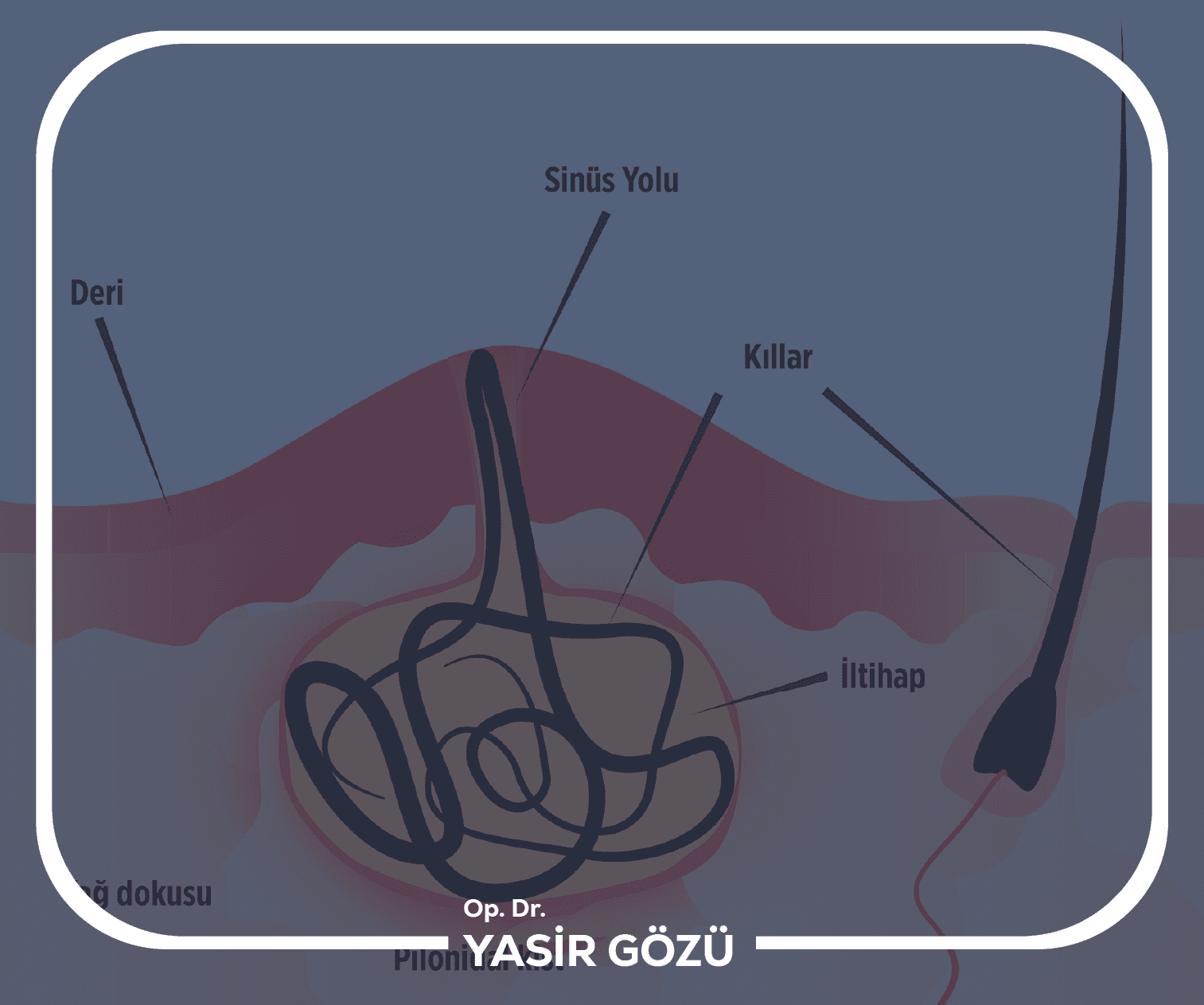
Laser Pilonidal Sinus Treatment
Laser pilonidal sinus treatment is an effective method that offers fast recovery and minimal pain. Visit our website to learn more about the treatment.