Treatments
Anal Fistula Treatment: Laser (FiLaC) in Istanbul | Yasir Gozu MD
An anal fistula is an abnormal tunnel between the anal canal and the skin, and it does not heal on its own. At our clinic, fistulas are treated according to their type with laser (FiLaC) and sphincter-preserving methods.
What is a fistula? Symptoms of a fistula and treatment methods
Fistulas are abnormal, unnatural connections that form between internal organs or between an internal organ and the body surface. They usually appear when an organ becomes inflamed or injured. Perineal tears during childbirth, chronic inflammatory bowel diseases, and abscesses can all lead to these troublesome connections. Symptoms of a fistula include pain, bleeding, and the leakage of urine, stool, or other body fluids from places where they do not belong. Diagnosis is established through a physical examination of the affected area and imaging methods such as ultrasound. Treatment generally involves closing the fistula surgically.
What Is a Fistula?
A fistula is an abnormal tube-like connection that literally forms a bridge between two structures. This can occur between body cavities, such as the bladder and the vagina, or between a body cavity and the skin. The term "fistula" derives from the Latin word "fistula," meaning "tube." The most common site is around the anus, in which case it is called an anal fistula. The second most common location is between two segments of the intestine, known as an enteroenteric fistula. Fistulas are also frequently seen between the rectum and the vagina, between the intestine and the skin, and between the intestine and the bladder.
Anal Fistula: The Source of the Discomfort
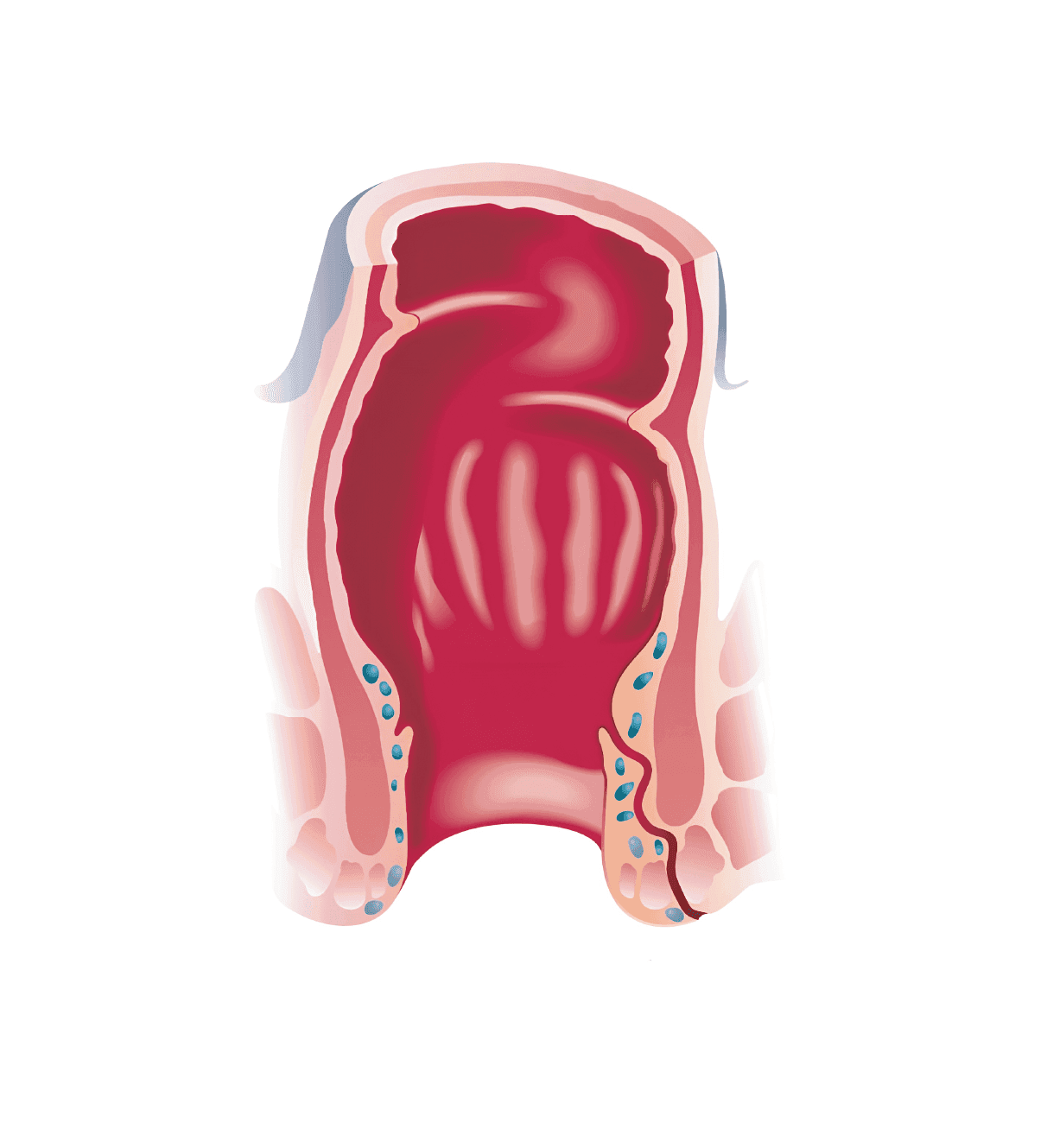
An anal fistula is a small, tunnel-like, abnormal tract that forms between the last part of the bowel and the skin around the anus. It usually develops from an abscess caused by an infection near the anus. After the abscess is drained, a small channel may remain in the area. This brings unwanted symptoms such as the discomfort and skin irritation that come with an anal fistula diagnosis. On top of that, in most cases the condition does not heal on its own; surgical intervention is required.
The main cause of anal fistulas is abscesses that form around the anus. It is estimated that one in four people with an anal abscess is at risk of developing a fistula in the future. Keep in mind that anal fistulas usually require a surgical procedure, because they rarely begin to heal when left untreated. Take care of your health and see a specialist right away; your health comes before everything else!
Your Questions
Let Us Answer Right Away!
Types of Anal Fistula
An intersphincteric fistula lies between the anal sphincter muscles and is the most common type.
A transsphincteric fistula passes completely through the anal sphincter and extends into the surrounding tissues.
A suprasphincteric fistula passes over the upper part of the sphincter muscles and can also appear as a combination of the intersphincteric and transsphincteric types.
An extrasphincteric fistula lies entirely outside the anal sphincter muscles and usually requires more complex treatment.
Each type of fistula affects the treatment plan and approach. A thorough evaluation of the fistula is critical for choosing the appropriate treatment method.
What Causes a Fistula?
One cause of fistula formation is an abscess that fails to heal for a long time. Abscesses can continually fill with body fluids such as stool or urine, which can prevent healing. Eventually, the abscess may grow toward the skin, another organ, or a body cavity, forming a fistula. Although various factors play a role in the development of fistulas, the most common causes are listed below:
- Rectovaginal fistulas can form between the vagina and the rectum as a result of severe vaginal tears during childbirth and infections of episiotomy incisions.
- Intestinal fistulas can develop after digestive system surgery or after radiotherapy used in cancer treatment.
- Chronic inflammatory bowel diseases such as Crohn's disease or ulcerative colitis, as well as certain sexually transmitted diseases, HIV, and tuberculosis, can also cause fistula formation.
- Cancer can pave the way for fistula formation through tissue destruction.
- Radiotherapy can lead to fistula formation during cancer treatment.
- Modern medical devices, such as catheters or endoscopes, can accidentally puncture the wall of an organ or vessel, causing inflamed wounds.
- Diverticulitis. Infections of the small pouch-like structures in the colon can lead to fistulas.
- Hidradenitis suppurativa. This chronic skin condition, which causes abscesses and scarring, can trigger fistula formation.
- Procedures such as rectal or hemorrhoid surgery can create complications involving fistula development around the anus.
- Surgeries such as hysterectomy and cesarean section can cause fistulas to form between the bladder and the vagina.
- Operations performed on the back wall of the vagina can open fistulas affecting the anus or rectum.
What Are the Symptoms of a Fistula?
The symptoms of a fistula vary depending on where the abnormal connection is located. A perianal fistula can cause a constant feeling of pain or swelling in the anal area. A fistula between the intestine and the bladder can lead to recurrent urinary tract infections. Fistulas that form between two segments of the intestine may cause no symptoms at all. Fistula symptoms include pain, fever, tenderness, itching, pus, and foul-smelling discharge. These symptoms vary in proportion to the severity and location of the fistula.
Anal Fistula Symptoms
- Skin irritation around the anus
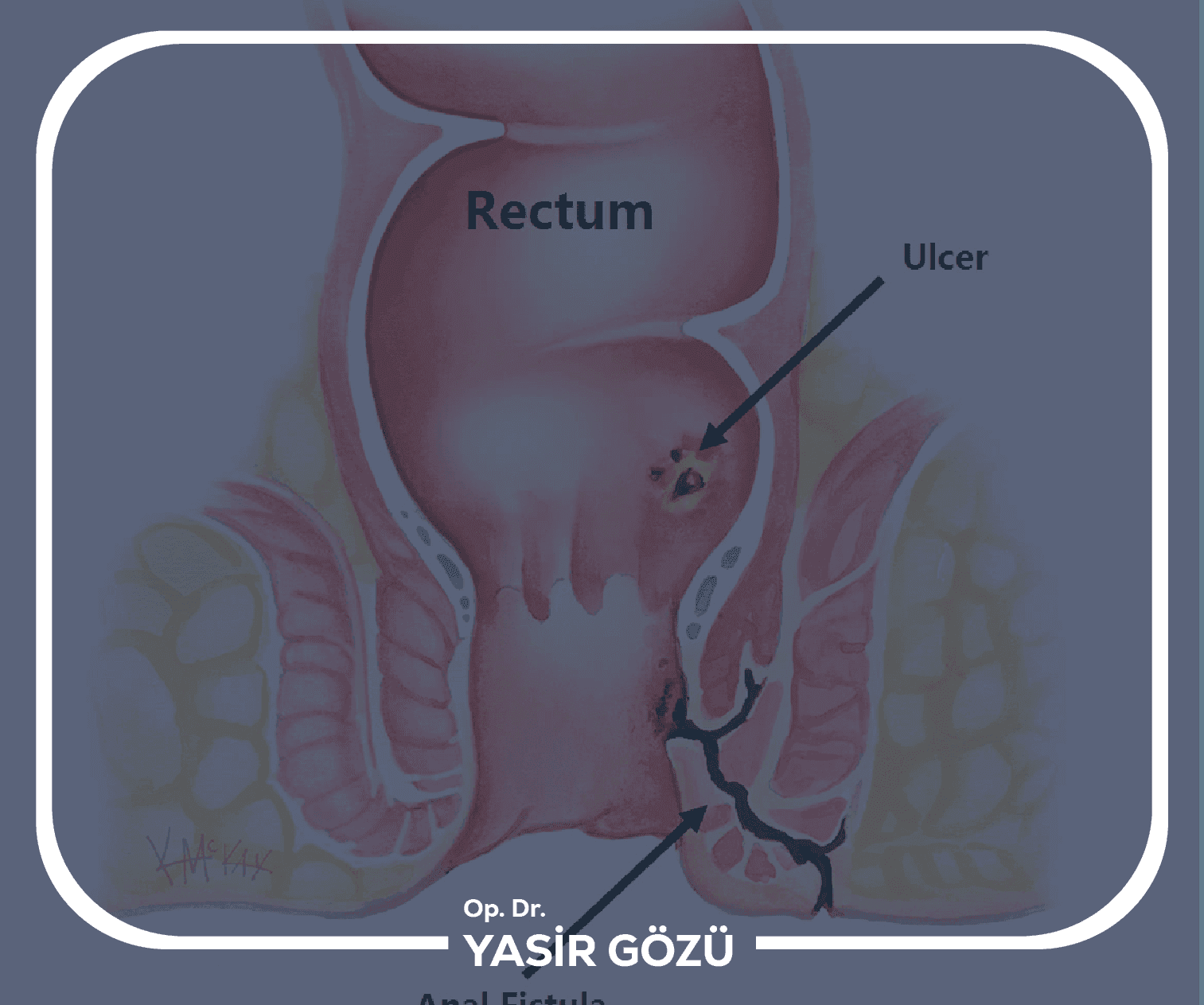
- A constant, throbbing pain around the anus that may worsen with sitting, moving, bowel movements, or coughing
- Foul-smelling discharge coming from around the anus
- Pus or blood during bowel movements
- Increased swelling, redness, and warmth around the anus when an abscess is present
- In some cases, difficulty controlling bowel movements
The opening of the fistula may be felt as a small hole in the skin around the anus, though it can be difficult for the patient to notice.
How Is a Fistula Diagnosed?
Fistulas are usually diagnosed based on the patient's symptoms and a physical examination. When necessary, imaging methods such as a CT scan, barium enema, colonoscopy, sigmoidoscopy, upper endoscopy, or fistulogram may be used.
In a fistulogram, a contrast agent is injected into the fistula and X-ray images are taken. The contrast agent makes the fistula appear more clearly on the film. For fistulas in the rectum, this procedure is performed using an enema-like method, while for fistulas opening onto the skin, a small tube is placed into the opening. X-rays are taken from different angles by changing the patient's position.
How Is a Fistula Treated?
Anal fistulas cannot heal on their own. Believing otherwise causes patients to lose time and can allow their condition to worsen. In addition, it has been reported that in fistulas left untreated for a long time, the risk of cancer developing in the surrounding tissues may increase, although this is rare.
The primary treatment for fistulas is surgery. Antibiotic therapy plays only a supportive role and has no curative effect. Surgery involves opening and cleaning the long, inflamed channel known as the fistula tract. This procedure can also affect the anal sphincters; the degree of impact depends on the surgeon's experience and skill.
During the operation, with the patient under anesthesia, the anus is opened with a retractor, and hydrogen peroxide is applied through the fistula's external opening near the skin surface to confirm the location of the internal opening in the anus. The course of the fistula tract is mapped using a special metal wire called a stylet. The amount of muscle that will be affected after surgery is then estimated, and the operation is performed.
If the Fistula Is Complex
- Mucosal advancement flaps,
- Fistulotomy,
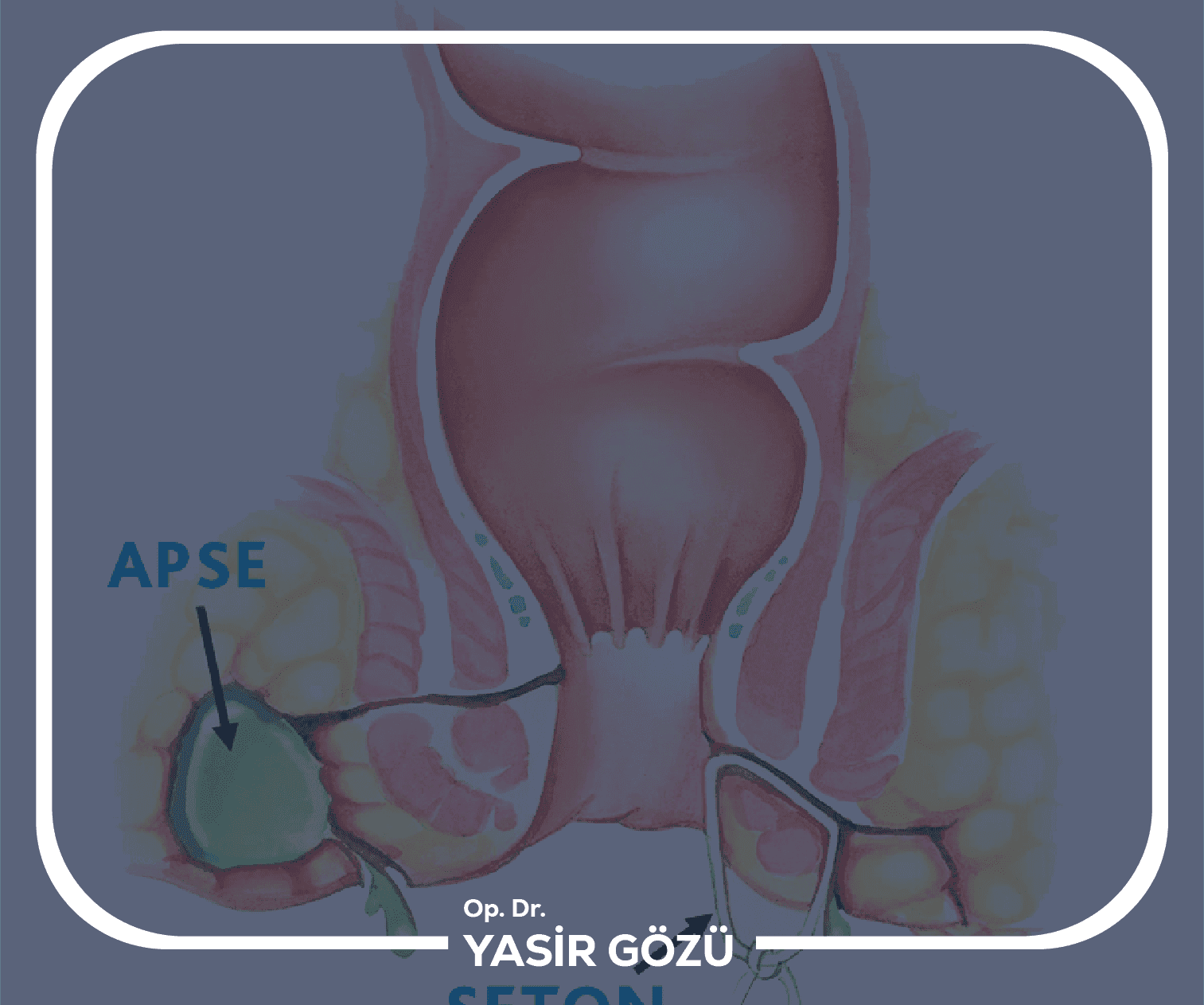
- More complex surgical procedures such as seton placement may be performed.
During a fistulogram, dye is injected into the fistula and an X-ray is taken. This dye makes the fistula easier to visualize. For fistulas in the rectum, an enema-like method is often used. For fistulas opening onto the skin, a small tube is placed into the opening. X-rays are taken from different angles by changing the patient's position.
Non-Surgical Treatment of Anal Fistula
Laser Treatment
Beyond conventional surgery, non-surgical treatment options are also available today. The leading non-surgical method is laser treatment, which acts directly on the fistula site. The laser method, which has recently become widely used in anal fistula treatment, preserves the muscles and increases patient comfort. In non-surgical laser treatment, a fine-tipped radial fiber is inserted into the fistula, and controlled laser energy is applied to the fistula channel inside the anus. This process completely destroys the fistula wall along the channel, eliminating the fistula at its root. If an abscess is present, it is drained while the rectal muscles are preserved. In suitable patients, this treatment method allows a quicker return to daily life.
Advantages of Laser Treatment
- Laser treatment stands out as a comfortable and fast treatment option!
- Patients undergo this treatment under local anesthesia, without the need for general anesthesia.
- After the procedure, an appropriate diet may be recommended to regulate patients' bowel movements; it is also important to take precautions against possible issues such as constipation and diarrhea during the recovery period.
- It is advisable to follow the diet and treatment plan determined by specialists.
- Surgery is no longer necessary to treat fistulas; today, thanks to comfortable and effective methods such as laser treatment, successful results are possible!
- Laser fistula treatment offers patients a comfortable alternative to sutures and other surgical methods, and successful outcomes can be achieved in suitable patients.
- Pain and discomfort during and after the procedure are minimal; because no sutures are placed, healthy tissue is left unharmed.
- Under local anesthesia, the treatment takes just 10 minutes.
- In abscessed or complicated fistulas, the fistula opening can be drained with a partial fistulotomy when needed. Thanks to non-surgical fistula treatment, patients can be seen and treated on the same day and quickly return to their social lives!
- Non-surgical laser treatment, which has become widespread in the treatment of anal fistulas in recent years, minimizes the risk of gas and stool incontinence, taking patient satisfaction to its peak.
Anal Fistula Treatment
The Laser Method
By combining treatments, Yasir Gozu, MD has spared his patients from surgery; the laser treatment method he performs has allowed many patients to return to their daily lives the same day.
Blog Posts About Anal Fistula
What Is an Anal Fistula?
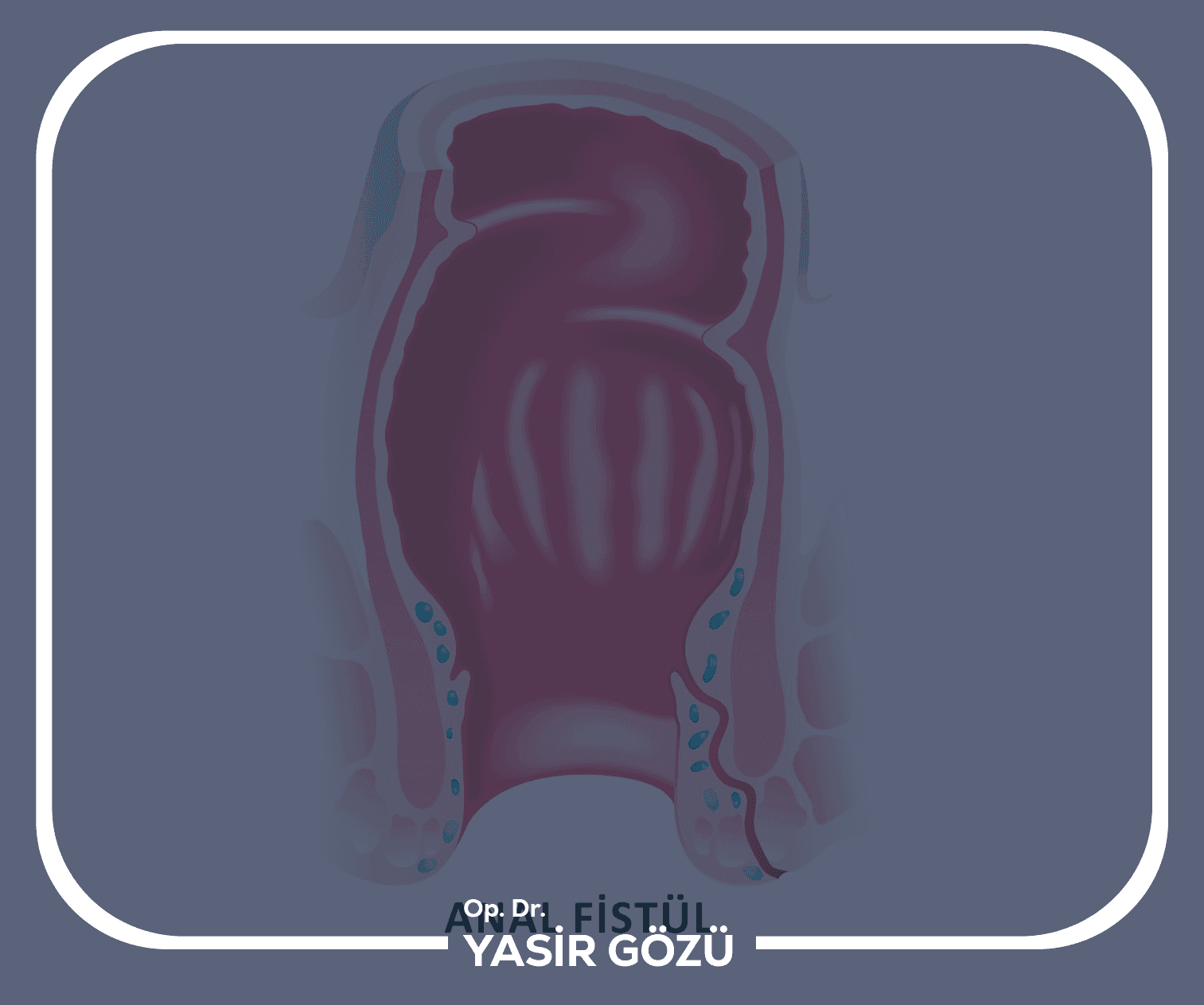
An anal fistula is an abnormal connection between the skin around the anus and a channel inside the anus; it can lead to infections. Left untreated, it can interfere with many areas of your life. Learn about its causes, symptoms, and treatment options.
What Are the Symptoms of an Anal Fistula?
Anal fistula symptoms include pain around the anus, purulent discharge, and discomfort. Visit our website for detailed information and treatment options.
Laser Anal Fistula Treatment?
Laser anal fistula treatment offers a minimally invasive approach with fast recovery and little pain. Visit our website for more information about the treatment.