Treatments
Rectal Prolapse Treatment
Rectal prolapse is tissue protruding from the anus, usually during bowel movements. Depending on the stage, non-surgical options and proper surgical planning are evaluated at our clinic the same day.
What Is Rectal Prolapse?
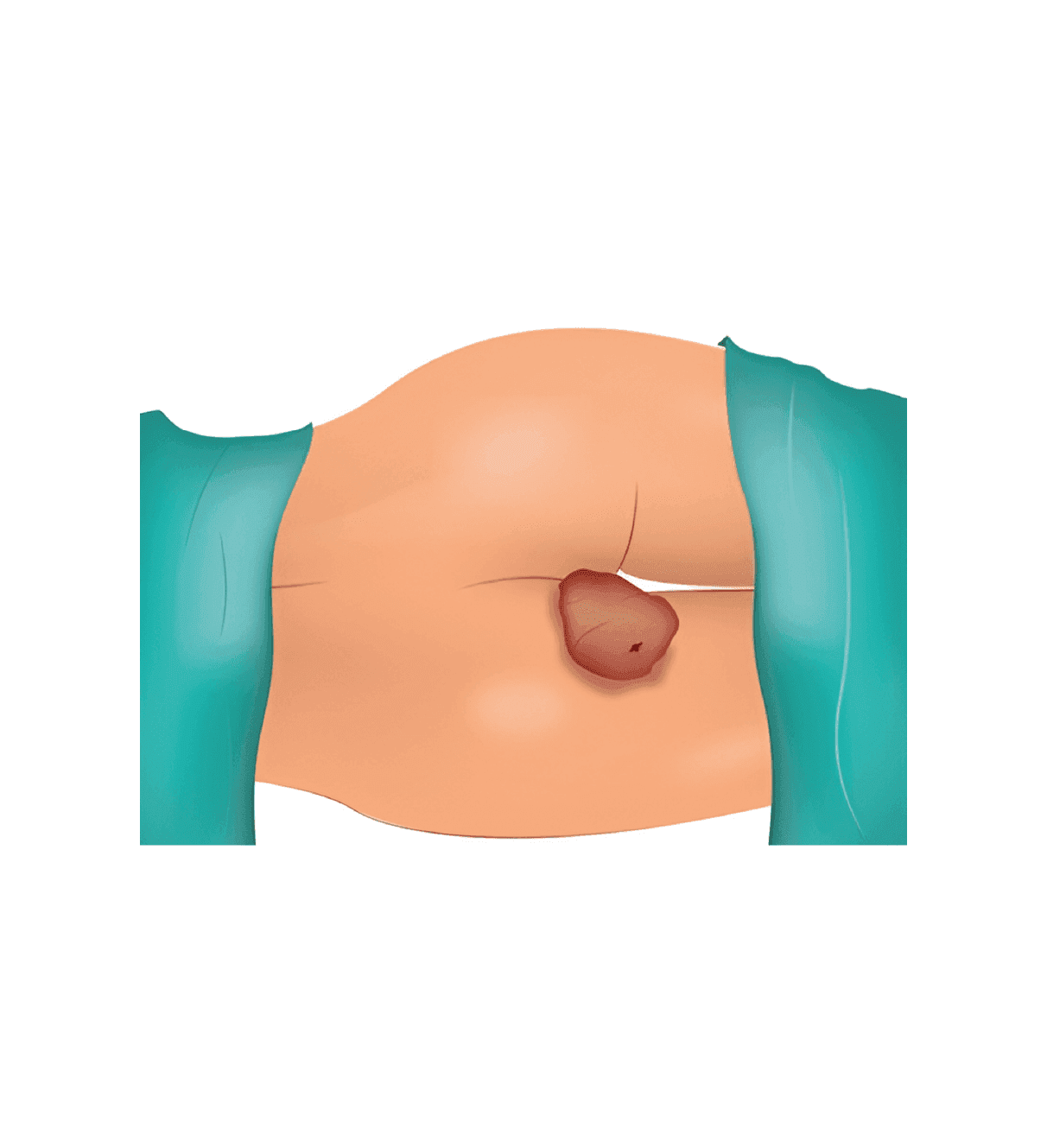
Rectal prolapse, also known as bowel prolapse, is a reddish mass that usually protrudes from the anus during bowel movements. The mass may slide back into the anus or remain visible. Rectal prolapse can also lead to conditions that affect your quality of life, such as losing control over your bowel movements. It is very important to see a specialist as soon as you notice the prolapse, so the condition can be treated before further complications develop.
What Is Rectal Prolapse?
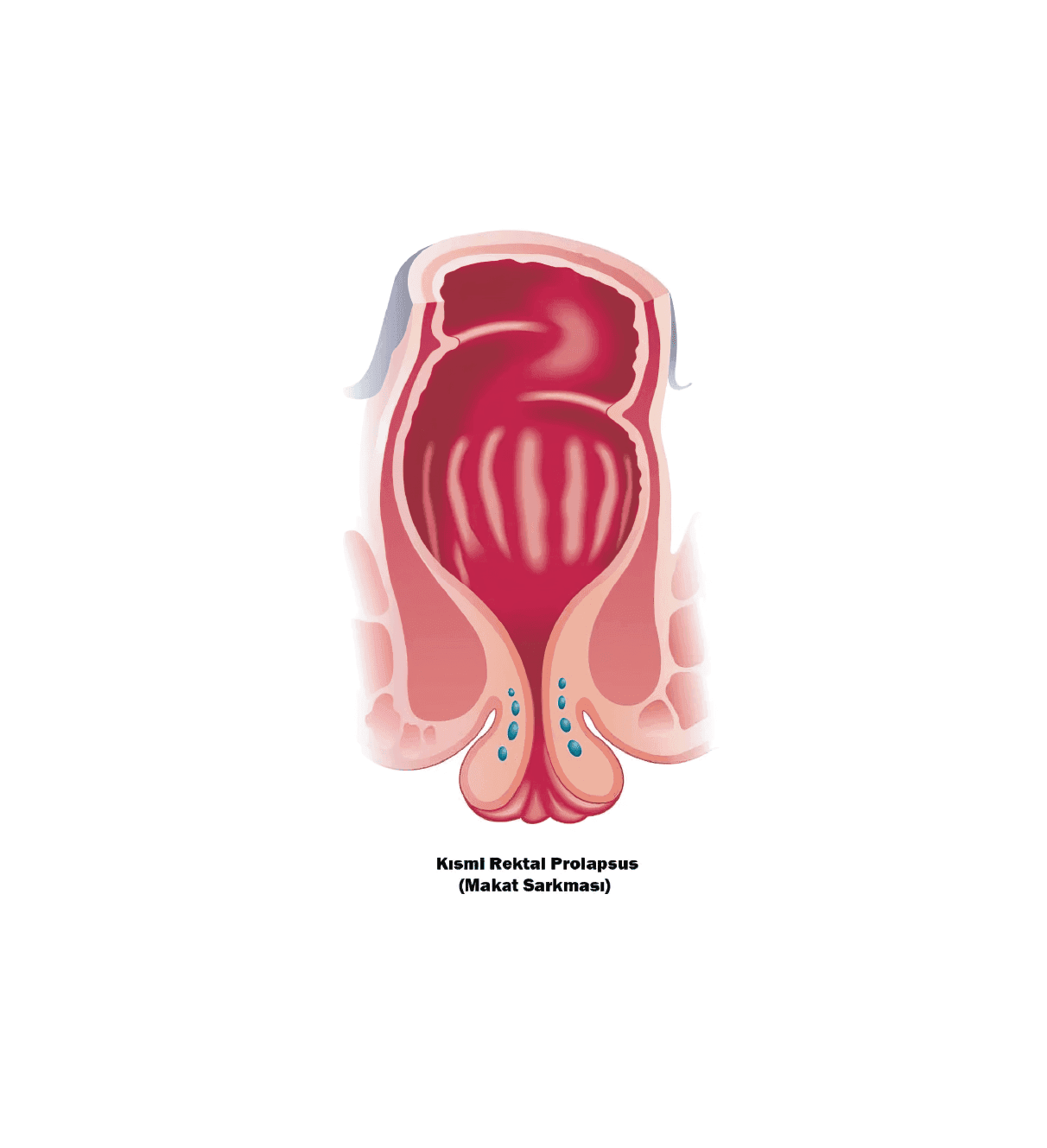
Rectal prolapse is the protrusion of the inner lining of the rectum through the anus. When the rectal lining protrudes, it can be mistaken for advanced hemorrhoids and causes similar symptoms. Sometimes, however, the tissues become so lax that not only the mucosa (the first of the three layers that make up the rectum) but the entire rectum, muscle included, prolapses. This is called total rectal prolapse.
Bowel prolapse is a socially distressing condition that has a profoundly negative impact on the patient's comfort. After every difficult bowel movement, patients have to push the prolapsed portion back in with their hands. One of the first treatments is gently repositioning the protruding tissue by hand. The protrusion can range from 1-2 cm up to 5-10 cm.
Your Questions
Let Us Answer Right Away!
What Are the Symptoms of Rectal Prolapse?
In rectal prolapse, the muscles involved in defecation cannot function properly. In addition, symptoms progressively worsen due to the anatomical deformation that occurs in the anal region. As a result, the following symptoms appear:
- Feeling a lump outside the anus.
- Seeing a red mass outside the anal opening.
- Pain in the anus or rectum.
- Bleeding from the rectum.
- Leakage of blood, stool, or mucus from the anus.
Who Gets Rectal Prolapse?
The underlying causes of bowel prolapse are conditions that hinder the emptying of the rectum and the weakening of the supporting tissue. Because of this tissue weakness, it is usually seen in people over the age of 50.
Nearly one third of cases are women. It is more common in women who have had very difficult deliveries and who have suffered from constipation for a long time.
How Is Rectal Prolapse Diagnosed?
Sometimes it can be difficult to distinguish rectal prolapse from hemorrhoids. The following methods can help diagnose rectal prolapse.
Digital rectal examination
A manual examination is performed to assess the strength of the sphincter muscles and check for any abnormalities in the rectal area.
Anal manometry
A thin, flexible tube is inserted into the anus and rectum. A small balloon at the tip of the tube can be inflated. This test helps measure the tightness of the anal sphincter and the sensitivity and function of the rectum.
Colonoscopy
A colonoscopy, in which a flexible tube is inserted into the rectum, can be used to examine the entire large intestine and rule out other conditions such as polyps or bowel cancer.
How Is Rectal Prolapse Treated?
Bowel prolapse seen in old age can be managed by preventing constipation through regular bowel habits and soft stools. In simple cases, the anal mucosa can be shortened with a minor procedure.
Early-stage rectal prolapse can sometimes be treated with non-surgical approaches such as pelvic floor exercises, dietary adjustments, and weight control. These exercises help prevent prolapse by strengthening the rectal muscles.
Advanced cases, or those that do not respond to conservative treatment, may require surgery; the lax tissues are corrected and the ligaments are reinforced. In addition, minimally invasive approaches using laparoscopic or robotic surgical techniques can provide faster recovery with a lower risk of complications.
Individualized treatment plan: Rectal prolapse treatment can differ for each patient. The treatment plan will depend on factors such as the patient's symptoms, the degree of prolapse, lifestyle, and overall health.
Frequently Asked Questions
What happens if bowel prolapse is left untreated?
Bowel prolapse is a condition that should not be ignored. If treatment is not planned, a solitary rectal ulcer may develop, which can cause bleeding and be mistaken for cancer. It is very important to see a general surgeon as soon as you notice the prolapse. Pushing it back in with every bowel movement is absolutely the wrong approach.
Can untreated hemorrhoids cause bowel prolapse?
Untreated hemorrhoids do not cause bowel prolapse. However, a prolapsed bowel can cause symptoms similar to those of very advanced hemorrhoids. These two conditions develop in different ways. In one, there is a protrusion of the rectal lining. In the other, there is engorgement of the existing vascular cushions. Because they present similarly, the symptoms can be the same, but both are serious anal disorders, large and small, and require professional help.
Rectal Prolapse Treatment
Laser Method
By combining treatments to spare his patients from surgery, the laser treatment method applied by Yasir Gozu, MD has enabled many patients to return to their daily lives on the same day.
Blogs About Rectal Prolapse
What Is Rectal Prolapse?
Rectal prolapse is a condition in which the rectum (the final section of the bowel) partially or completely slips out through the anus. It usually becomes more noticeable during bowel movements and can cause symptoms such as discomfort, pain, or bleeding.
Causes of Rectal Prolapse
Rectal prolapse usually results from weakness of the pelvic floor muscles and deterioration of the connective tissues. It can also be triggered by factors that put pressure on the pelvic region, such as long-term constipation, difficult childbirth, or chronic coughing.
Laser Rectal Prolapse Treatment
Laser rectal prolapse treatment corrects the prolapsed rectal tissue using a minimally invasive technique and allows the affected area to heal quickly. Compared with traditional surgery, this method offers less pain and a shorter recovery time, so patients can return to their normal lives sooner.