The medical information in this article was written by Yasir Gozu, MD (General Surgery Specialist) and checked against current medical sources.
This article is for information purposes only; it is not a substitute for an examination and a physician’s assessment.
The pattern of anal burning reveals its cause: temporary burning after spicy food = the capsaicin effect (the fiery compound in peppers passes through undigested and "burns" on the way out too; harmless); burning during a bout of diarrhea = skin irritation from acidic stool; sharp burning pain during bowel movements = possibly an early fissure; constant burning and moisture = irritation from hemorrhoid discharge, or a fungal infection; burning after hygiene products = chemical irritation. Temporary burning settles with simple care; recurrent, sharp burning with bleeding calls for an examination.
Anal burning is itching's noisier sibling: itching bothers you at night, while burning speaks up mostly on the toilet and afterwards. Patients often think they know the cause ("I had spicy food yesterday") and they are often right. But a few important diagnoses hide behind this same complaint; in this article we will read the patterns of burning and separate the innocent from the important.
Pattern 1: After spicy food, the capsaicin truth
Capsaicin, the fiery compound in peppers, burns on the way out just as it burns in the mouth; because it travels through digestion largely unbroken and stimulates the same type of nerve endings in the anal canal. So the "I ate spicy food, it burned the next day" picture is not a disease; it is plain physiology. It is harmless and fades within a few hours; if it happens often, the solution is on the menu. Note: if there are active hemorrhoids or a fissure, spicy food makes the existing condition feel louder; it does not cause damage, but it does make it speak up.
Pattern 2: A bout of diarrhea, acid contact
Diarrheal stool is both acidic and loaded with enzymes, and frequent passage chemically strips the anal skin; the adult version of diaper rash. The solution: gentle cleansing with water after every toilet visit, patting dry, a thin zinc oxide barrier, and managing the diarrhea itself. If the diarrhea does not settle within days, the real question is no longer the burning but the cause of the diarrhea.
Pattern 3: Sharp burning during bowel movements, the fissure's opening line
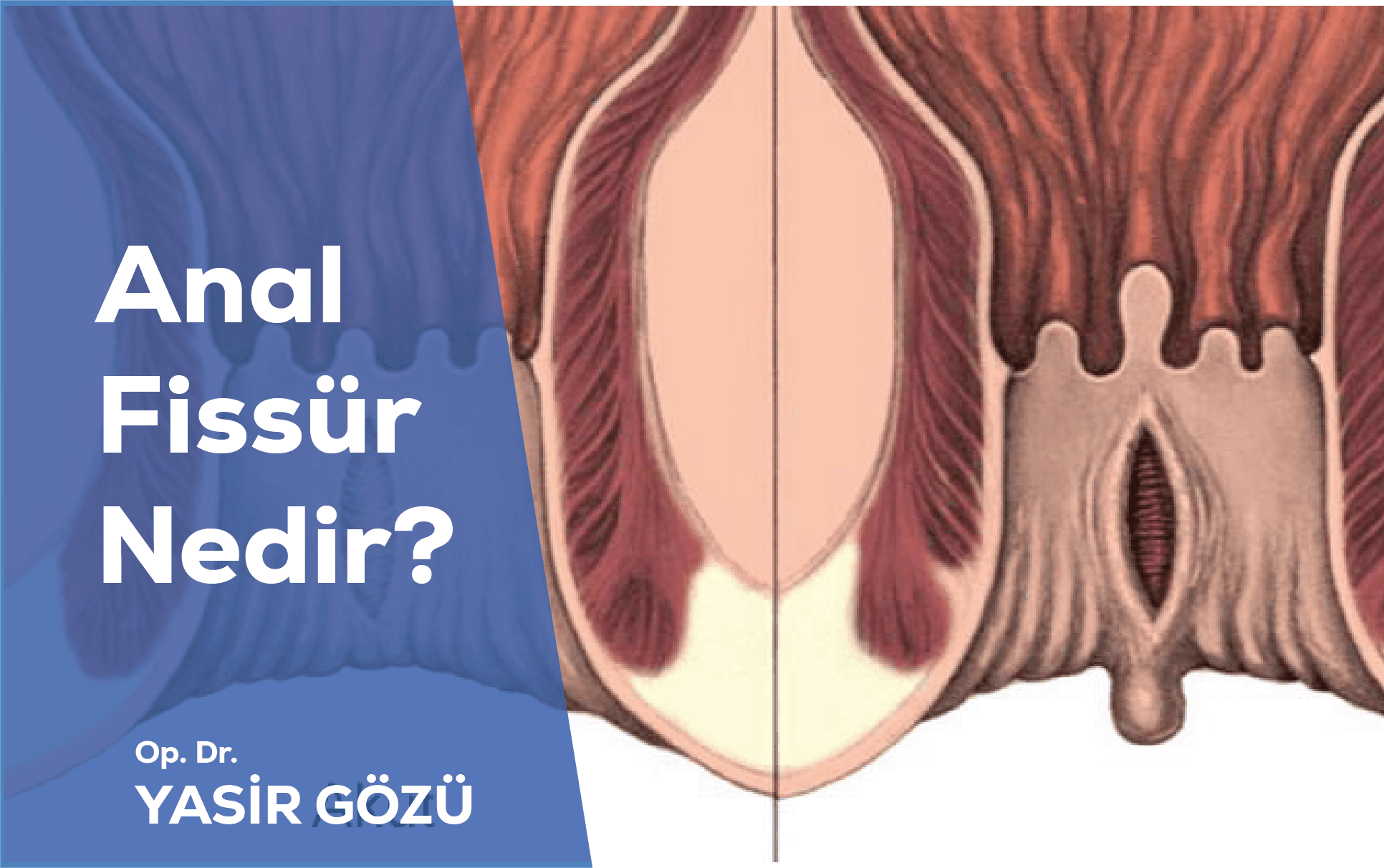
This is the most important section of this article: if the burning sharpens at the moment stool passes, continues afterwards as a smoldering ache, and you occasionally see traces of blood on the paper, this is no longer "burning"; it is the description of a developing anal fissure. An early fissure caught in exactly this vague "burning" phase heals with simple care (the pain protocol); brushed off for months as "it's just the spicy food", it becomes chronic. The distinguishing question is simple: is the burning triggered by bowel movements? If yes, it should be viewed through the fissure lens.
Pattern 4: Constant burning and moisture, leakage and fungus
Burning that lasts all day, independent of the toilet, usually lives on a damp, irritated base: leakage from a prolapsing hemorrhoid, fistula discharge, sweating, or a fungal infection that settles on this ground. If the skin is red, sharply bordered, and stubborn, fungus moves to the front; its diagnosis is made by examination and its treatment is simple with the right cream (making it flare with the wrong cream (a steroid) is just as classic). Until the source of the moisture is found, the burning will not resolve permanently.
Patterns 5-6: Hygiene products and the rest
Chemical irritation: wet wipes, scrubbing with soap, cologne; the "over-cleaning" I described in the itching article is the most likely cause here too; burning that starts within minutes of using a product is its signature. The rest: disrupted skin flora after long antibiotic courses, a history of radiotherapy, certain skin diseases, and the neuropathic burning of diabetes; in stubborn burning with no obvious cause, these headings are screened.
The home relief kit and the red line
Whichever pattern you are in, first aid is the same: gentle cleansing with water only, drying without rubbing, loose cotton clothing, warm (not hot) sitz baths, and cutting back on trigger foods (spice, excess coffee and alcohol). The red line is equally clear: burning that lasts beyond two weeks, adds bleeding, sharpens with bowel movements, or comes with discharge: that is no longer solved at home, but in an examination. In this region, "burning" is sometimes the first and only early warning of a disease; those who come early get off lightly.
Frequently asked questions
I gave up spicy food but the burning continues; why?
The trigger may be gone while the ground remains: irritated skin keeps burning on its own; or the real cause was something else from the start (an early fissure, fungus). If it has not settled in two weeks, have it examined.
Which cream helps with burning?
I do not recommend creams blindly; a steroid harms a fungal infection, and a numbing cream on a fissure just delays things. A barrier cream (zinc oxide) is safe in every pattern; beyond that, the choice follows the diagnosis.
Hot water stings but feels good; should I keep going?
Warm water yes, scalding heat no; it damages the skin's barrier. "Relief by burning" is like scratching: good for a moment, worse afterwards.
I have frequent bowel movements along with the burning; are they connected?
Possibly; frequent passage irritates the skin. But the trio of frequent stools, burning and mucus/blood is also the picture of inflammatory bowel disease; if it keeps recurring, get it evaluated.
Sources
- American Society of Colon and Rectal Surgeons (ASCRS), fascrs.org
- NHS, nhs.uk
Let's read the pattern of your burning together; and if it sharpens with bowel movements, don't wait: +90 552 608 39 21, Levent.
Yasir Gozu, MD
General Surgery Specialist
He has worked in anorectal diseases (proctology) for over twenty years, focusing on non-surgical laser treatments for hemorrhoids, anal fistula, anal fissure and pilonidal sinus. He sees patients at Avrupa Cerrahi in Besiktas Levent.
Content owner: Yasir Gozu, MD
Published: June 14, 2024
Last updated: September 10, 2026