The medical information in this article was written by Yasir Gozu, MD (General Surgery Specialist) and checked against current medical sources.
This article is for information purposes only; it is not a substitute for an examination and a physician’s assessment.
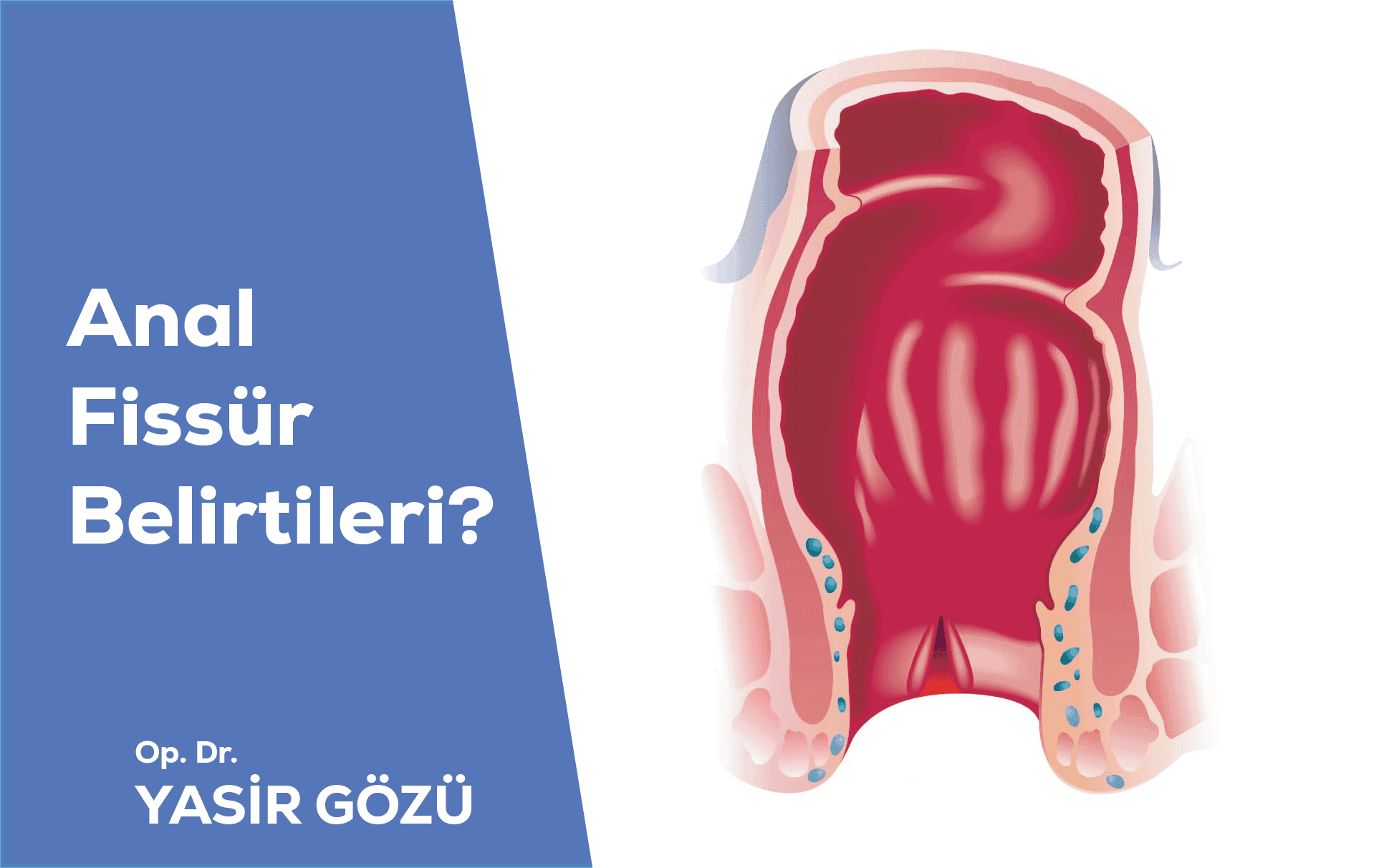
The anal fissure's signature is a trio: sharp, knife-like pain during bowel movements, followed by burning and aching that lasts for hours, and a small amount of bright red blood on the paper. Pain dominating over bleeding is the most practical sign distinguishing a fissure from hemorrhoids. A small skin bump appearing at the edge (the sentinel tag) and complaints lasting beyond 6-8 weeks herald chronicity.
Some diseases call for lab tests, others for imaging... A fissure usually calls for just two sentences: "It feels like a knife stabbing me on the toilet, and then I burn inside for hours." When I hear that description, most of the diagnosis is made before the examination. In this article I will unpack the parts of that description one by one; so you can recognize yourself, and tell a fissure apart from its imitators.
1. Pain with bowel movements: Sharp and instantaneous
The character of fissure pain makes it unique: a sharp, stabbing-cutting pain that begins the moment stool passes. Patients' comparisons all come from the same family; broken glass, a razor blade, a knife. This pain is so daunting that most patients start postponing the toilet; postponement hardens the stool, and hard stool deepens the wound. That is the behavioral leg of the fissure's vicious circle, and it must be broken.
2. The aftershock burning: An ache lasting hours
Once the sharp pain passes, a second type of pain takes over: a deep, burning, throbbing ache; sometimes 15 minutes, sometimes half a day. Its source is not the wound itself but the spasm of the internal muscle ring. As the muscle contracts, the pain persists and blood flow to the wound decreases; the very vicious circle I described in the guide article. This is also the secret of why warm sitz baths work so well for fissures: they release the spasm and cut off the aftershock pain.
3. Blood on the paper: Scant and bright
Fissure bleeding is unassuming: a mark on the paper, a thin streak on the stool, rarely a few drops in the bowl. The color is always bright red; the wound sits at the doorway, so the blood is fresh. Heavy, dripping bleeding suggests hemorrhoids rather than a fissure; dark blood or blood mixed into the stool points higher up and must always be investigated.
The sentinel tag: The fissure's flag
In tears that persist for weeks or months, a small skin bump appears just at the outer edge of the wound; medically called a sentinel tag. This bump, the trace of the body's attempt to repair the wound edge, is harmless; but it carries two important meanings: first, patients mistake it for "piles" and lose months to the wrong creams; second, its presence announces that the tear has become chronic. That little bump you feel is, in fact, a flag saying "I am unlikely to heal on my own now."
Fissure or something else? A quick distinction
| Anal fissure | Hemorrhoids | Anal fistula | |
|---|---|---|---|
| Dominant complaint | Sharp PAIN | Painless bleeding | Foul-smelling discharge |
| Bleeding | Scant, on the paper, bright | Heavier, drips | Slight, mixed into the discharge |
| Timing | Triggered by bowel movements | With bowel movements, painless | Continuous |
| Palpable finding | Sentinel tag (at the edge) | Soft lump | Hole in the skin and firmness |
The confusion happens most with hemorrhoids; the practical rule is this: if pain dominates, think fissure; if bleeding dominates, think hemorrhoids. The final distinction belongs to the examination; and let me remind you that in the acute phase of a fissure, the examination is gentle and mostly visual only.
Which symptoms point to another door?
These are not the fissure's language and must be evaluated separately: foul-smelling, purulent discharge (the fistula's door), a throbbing, growing swelling and fever (abscess), dark or heavy bleeding or a change in bowel habits (upper bowel work-up), and a tear off the midline or multiple tears (screening for Crohn's-like conditions). In every picture where the symptom boundaries are unclear, the rule is the same: examination, not guesswork.
Frequently asked questions
There is pain but no bleeding at all; could it be a fissure?
It could; bleeding does not have to occur with every bowel movement. The typical sharp pain and aftershock burning pattern suggests a fissure even without bleeding.
My symptoms disappear from time to time; am I healing?
A cycle of partial healing and re-tearing is typical of fissures: quiet in the week the stool is soft, flaring on a constipated day. True healing does not last unless the routine changes.
Should I have the sentinel tag removed?
The tag itself is harmless; the problem is the chronic tear beneath it. Once the tear is treated, the tag usually shrinks; if it bothers you, it can be corrected during the procedure.
Can I be examined with this much pain?
Yes; in an acute fissure the examination is visual; no finger or instrument is forced. Losing weeks to the fear that "the examination will hurt" is the most needless price to pay.
References
- American Society of Colon and Rectal Surgeons (ASCRS) — Clinical Practice Guidelines for Anal Fissure, fascrs.org
- NHS — Anal fissure, nhs.uk
If your description matches this article, the solution is closer than you think: 444 8 623 — Levent.
Yasir Gozu, MD
General Surgery Specialist
He has worked in anorectal diseases (proctology) for over twenty years, focusing on non-surgical laser treatments for hemorrhoids, anal fistula, anal fissure and pilonidal sinus. He sees patients at Avrupa Cerrahi in Besiktas Levent.
Content owner: Yasir Gozu, MD
Published: May 9, 2024
Last updated: September 8, 2026