The medical information in this article was written by Yasir Gozu, MD (General Surgery Specialist) and checked against current medical sources.
This article is for information purposes only; it is not a substitute for an examination and a physician’s assessment.
Written and Compiled by: Yasir Gozu, MD
Quick Answer
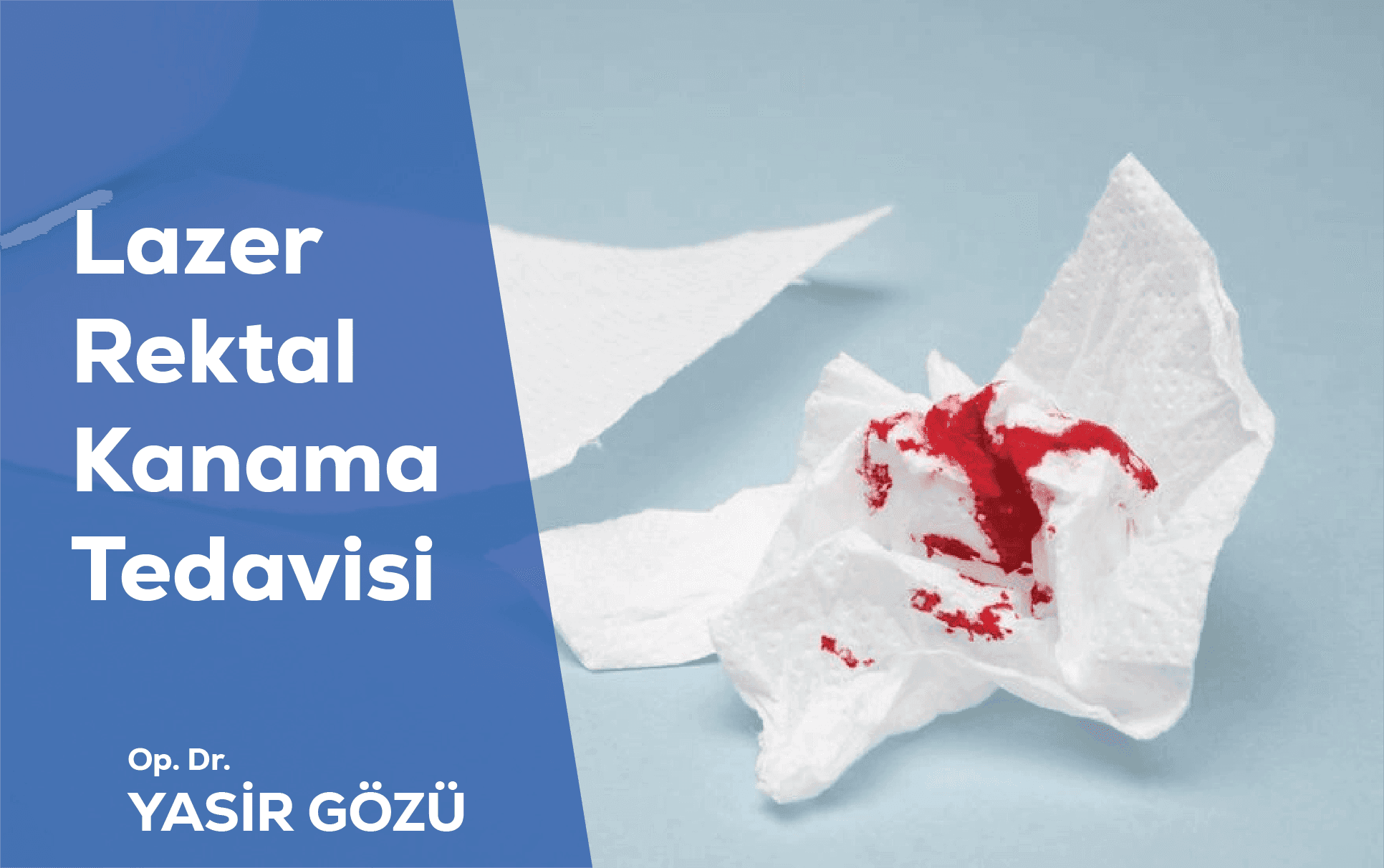
Rectal bleeding is a clinical finding that appears as blood from the anus, mixed with stool, or on toilet paper. Its most common causes are internal and external hemorrhoids and anal fissure; however, it can also signal serious conditions such as polyps, inflammatory bowel disease, or colorectal cancer. Treatment is planned with medications, sitz baths, fiber and fluid adjustments, office-based procedures such as laser and sclerotherapy, or surgery in selected patients. The color and amount of bleeding and any accompanying symptoms should be assessed together with a physician's evaluation.
Medical Disclaimer
This content is for informational purposes and does not replace a physician's examination. Because rectal bleeding (ICD-10: K62.5) can point to different clinical conditions, individual treatment decisions should only be made after an in-person examination, anoscopy, and, when necessary, colonoscopy. Clinical experience: 2005-2026.
Table of Contents
- What Is Rectal Bleeding
- Causes of Rectal Bleeding
- Symptoms and What the Color Means
- Diagnostic Methods
- Medical Treatment Options
- Minimally Invasive Methods
- Surgical Treatment
- Home Care and Lifestyle
- Complications and Risks
- What Not to Do
- When to See a Doctor
- Frequently Asked Questions
What Is Rectal Bleeding
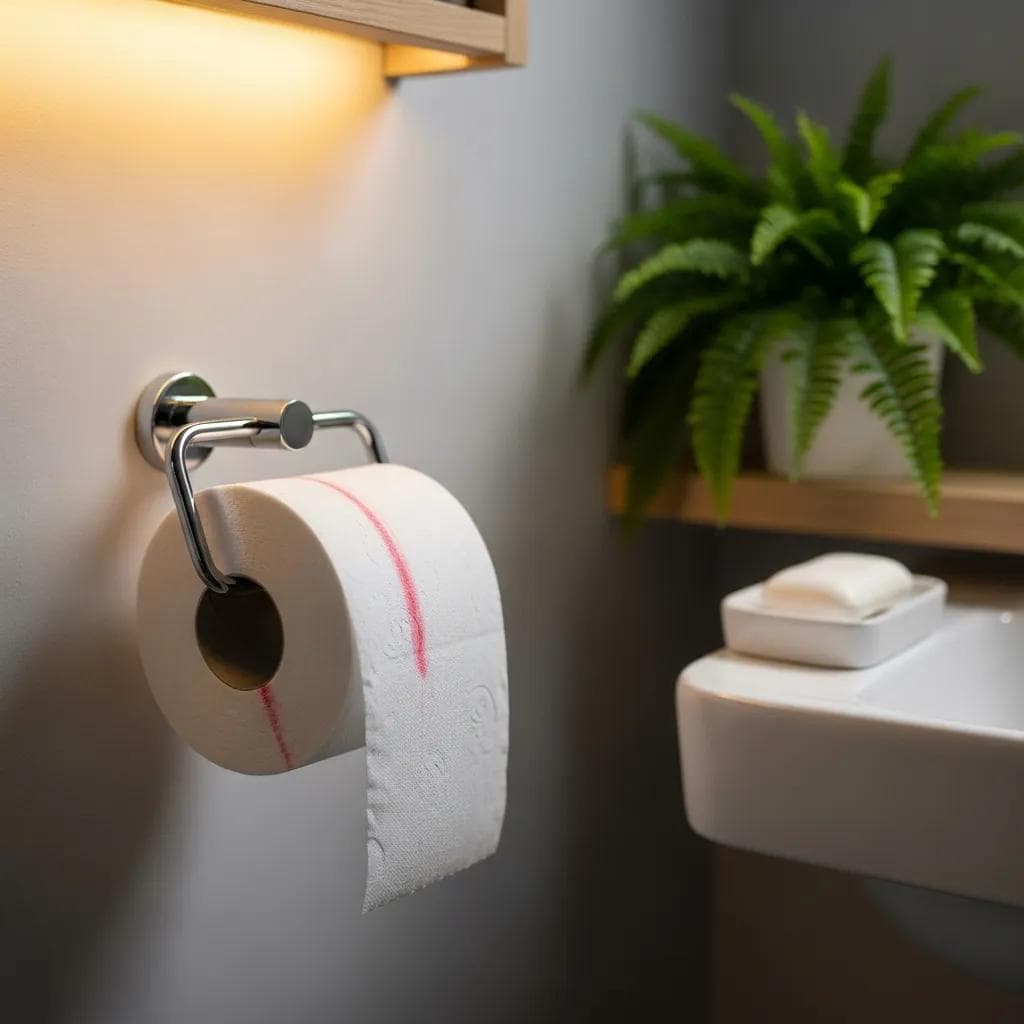
Rectal bleeding is the appearance of blood originating from the anus, rectum, or colon in the stool, on toilet paper, or in the toilet water. The amount of bleeding can range widely, from a single spot to flowing blood or dark-colored blood mixed with stool. To establish the right approach, the source of the bleeding, its duration, and any accompanying findings are carefully evaluated. In clinical practice, the condition is due to benign causes in a significant proportion of patients; however, further investigation is essential when alarm signs are present. For detailed management of this topic, see the rectal bleeding treatment page.
Causes of Rectal Bleeding
Causes can be grouped into three main categories: perianal, colonic, and systemic. Perianal causes include internal and external hemorrhoids, anal fissures, anal skin tags, and perianal abscess. In cases of bright red bleeding of anorectal origin, hemorrhoid treatment and anal fissure treatment are the primary areas of evaluation. Colonic causes include polyps, diverticular disease, ulcerative colitis, Crohn's disease, and colorectal cancer. Systemic causes are associated with clotting disorders and anticoagulant use.
| Type of Bleeding | Likely Source | Common Accompanying Finding |
|---|---|---|
| Bright red, on the stool surface | Internal hemorrhoid, anal fissure | Pain, itching, palpable lump |
| Red, mixed with stool | Colitis, polyp, diverticulum | Diarrhea, mucus, abdominal pain |
| Dark/black (melena) | Upper gastrointestinal tract | Fatigue, hypotension |
| Bright red blood, dripping | Hemorrhoidal prolapse | Spotting after using the toilet |
| Large amount of fresh blood | Diverticular bleeding | Sudden onset, risk of anemia |
Symptoms and What the Color Means
The color of the blood provides valuable information about the source of the bleeding. Bright red blood usually originates from the anorectal region, dark red blood from the proximal colon, and black, tarry stool from the upper gastrointestinal tract. Accompanying pain suggests a fissure, while painless bright red bleeding is more suggestive of internal hemorrhoids. For lumps felt after using the toilet, the page tissue protruding from the anus can be a helpful guide.
Diagnostic Methods
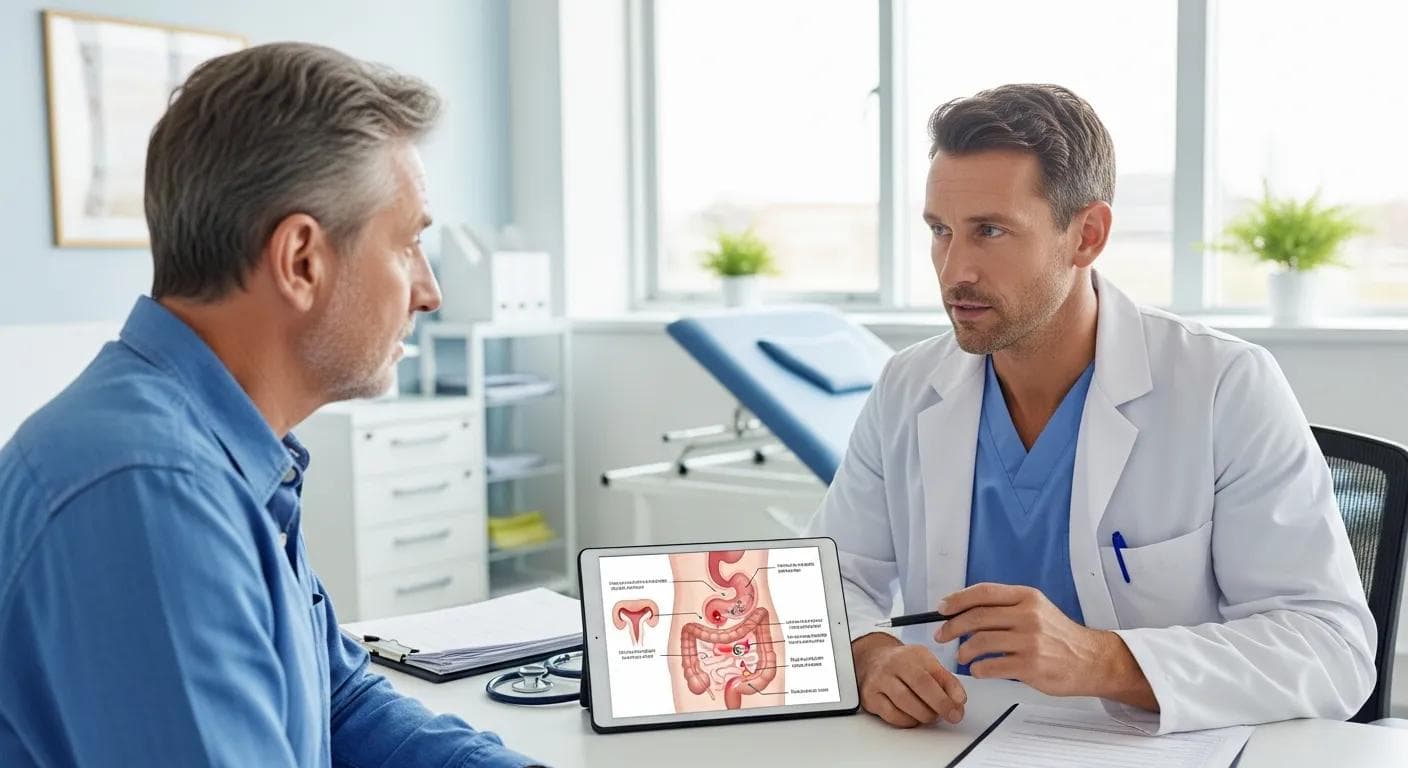
The diagnostic process begins with a detailed history and careful physical examination. Inspection of the anal area, digital rectal examination, and anoscopy are frequently used as first steps. If the source of the bleeding is unclear or alarm signs are present, rectosigmoidoscopy or colonoscopy is planned. A complete blood count, iron profile, and, when needed, a fecal occult blood test contribute to the picture. For a comprehensive proctology examination, see the proctology examination page.
Medical Treatment Options
Medical treatment includes topical ointments, phlebotonic medications, stool softeners, local anesthetics, and, when necessary, anti-inflammatory drugs, depending on the underlying cause. In anal fissure, topical nitrates or calcium channel blockers relax the sphincter spasm and support healing. In bleeding caused by hemorrhoids, fiber supplementation, fluid intake, and sitz baths are the basic supportive steps. Medication choice is always individualized based on the clinical picture and a physician's evaluation.
Minimally Invasive Methods
In suitable patients, rubber band ligation, sclerotherapy, infrared coagulation, and laser applications can be performed in an outpatient setting. These methods are generally short procedures with a low complication profile that allow a quick return to daily life. Their effectiveness is high in cases where the source of the bleeding has been confirmed as internal hemorrhoids. The choice of procedure is planned according to the patient's disease stage, comorbidities, and response to previous treatments.
Surgical Treatment
Surgery may be required in advanced-stage hemorrhoids, chronic fissures unresponsive to conservative treatment, large symptomatic polyps, or patients diagnosed with cancer. Hemorrhoidectomy, lateral internal sphincterotomy, polypectomy, and oncologic resections are the main surgical options. The decision for surgery is made in a multidisciplinary manner based on the patient's general condition, the severity of the bleeding, and the pathological diagnosis. After surgery, pain control, wound care, and prevention of constipation support recovery.
Home Care and Lifestyle
In mild and selected cases, home care can significantly reduce symptoms. A warm sitz bath for 10-15 minutes twice a day, 25-30 grams of daily fiber intake, 2-2.5 liters of fluid, and regular walking are recommended. Not sitting on the toilet for long periods, limiting straining, and not postponing the urge to have a bowel movement are important behavioral changes. For simple measures that can be applied for complaints related to external hemorrhoids, the page how external hemorrhoids resolve at home will be helpful.
Complications and Risks
In untreated or prolonged bleeding, iron deficiency anemia, fatigue, palpitations, and reduced exercise capacity may develop. In recurrent bleeding, there is a risk of missing a serious underlying pathology. Chronic bleeding can also negatively affect sleep patterns, social life, and psychological well-being. Therefore, if bleeding is continuous or increasing, a physician's evaluation should not be delayed.
What You Should Absolutely Avoid
- Self-diagnosing the bleeding and monitoring it at home for a long time.
- Applying uncontrolled ointments and herbal mixtures obtained from the internet.
- Using rough toilet paper or perfumed wipes.
- Sitting on the toilet for long periods using your phone and straining excessively.
- Continuously taking anticoagulants or painkillers without consulting a doctor.
- Increasing fiber intake suddenly and excessively.
- Attributing the bleeding solely to hemorrhoids and delaying colonoscopy.
When Should You See a Doctor
Important Notes
- Rectal bleeding starting for the first time after age 50,
- A family history of colorectal cancer,
- Weight loss, night sweats, persistent fatigue,
- A change in bowel habits lasting longer than 4 weeks,
- Heavy flowing or recurrent bleeding,
- Abdominal swelling, a sensation of a mass, or severe pain,
- Dizziness and a feeling of fainting
If any of these are present, a physician's evaluation is needed without delay. For detailed management, see the bleeding from the anus page.
Frequently Asked Questions
+Is rectal bleeding always a sign of a serious disease?
No. The majority of cases are due to benign causes such as hemorrhoids or anal fissure. However, only a physician's evaluation can determine whether the bleeding is due to a serious pathology.
+What is the difference between bright red blood and dark blood?
Bright red blood usually originates from the anus and rectum. Dark red or black blood may indicate a more proximal colonic or upper digestive tract source and requires further investigation.
+Is it necessary to see a doctor for a single episode of light bleeding?
A single episode of light spotting can be watched; however, if the bleeding recurs or is accompanied by pain, a palpable lump, or a change in bowel habits, a physician's evaluation is recommended.
+When is colonoscopy recommended?
Colonoscopy is recommended over age 50, in those with a family history of colorectal cancer or polyps, dark blood mixed into the stool, unexplained weight loss, a change in bowel habits, or iron-deficiency anemia; the decision is made based on the individual risk profile.
+Can rectal bleeding resolve at home?
Bleeding caused by mild hemorrhoids or a superficial fissure can be controlled with sitz baths, fiber and fluid adjustments, and stool softeners. Ongoing bleeding requires professional evaluation.
+Which medications should be avoided during bleeding?
Regular use of aspirin, ibuprofen, and anticoagulant medications without a physician's recommendation may increase bleeding. These medications should only be adjusted under medical supervision.
+How is hemorrhoidal bleeding distinguished from fissure bleeding?
Hemorrhoidal bleeding is usually painless and appears as bright red blood on the stool surface. Fissure bleeding is characterized by sharp, tearing pain during defecation followed by spotting. A definitive distinction is made by examination.
+Can bleeding recur after treatment?
Recurrence can occur when lifestyle recommendations are not followed or when underlying constipation persists. A regular fiber and fluid routine, regular activity, and follow-up examinations reduce the risk of recurrence.
+How is rectal bleeding managed during pregnancy?
The frequency of hemorrhoids and fissures increases during pregnancy. Treatment is carried out primarily with fiber and fluid adjustments, sitz baths, and topical agents considered safe in pregnancy; medication decisions are made together with the obstetrician.
Appointment and Contact
If your rectal bleeding persists or recurs, you can contact Yasir Gozu, MD for an evaluation.
Phone: +90 552 608 39 21
Click Here to Make an Appointment
About the Author
Yasir Gozu, MD is a General Surgery Specialist and proctology physician practicing in Levent, Istanbul, with more than 20 years of clinical experience. He specializes in the medical and surgical treatment of anorectal diseases, particularly hemorrhoids, anal fissure, fistula, pilonidal sinus, genital warts, and rectal bleeding. Clinical experience: 2005-2026.
Related Articles
- Hemorrhoid treatment and anorectal disease treatment
- Anal fissure treatment
- External hemorrhoid home care
- Anal skin tag evaluation
- Pilonidal sinus treatment
- HPV wart treatment
- Rectal bleeding treatment
Sources and References
- American Society of Colon and Rectal Surgeons (FASCRS)
- NIDDK – Digestive Diseases
- Rectal Bleeding — StatPearls (NCBI Bookshelf)
- Management of Patients With Acute Lower Gastrointestinal Bleeding: An Updated ACG Guideline (2023) — PubMed
- ICD-10: K62.5 Hemorrhage of anus and rectum
- NHS – Rectal Bleeding
- This content is for informational purposes and does not replace an in-person examination.
- If symptoms persist, a physician's evaluation is required.
- The treatment plan should be determined according to the patient's clinical condition.
Yasir Gozu, MD
General Surgery Specialist
He has worked in anorectal diseases (proctology) for over twenty years, focusing on non-surgical laser treatments for hemorrhoids, anal fistula, anal fissure and pilonidal sinus. He sees patients at Avrupa Cerrahi in Besiktas Levent.
Content owner: Yasir Gozu, MD
Published: April 9, 2026
Last updated: September 9, 2026