The medical information in this article was written by Yasir Gozu, MD (General Surgery Specialist) and checked against current medical sources.
This article is for information purposes only; it is not a substitute for an examination and a physician’s assessment.
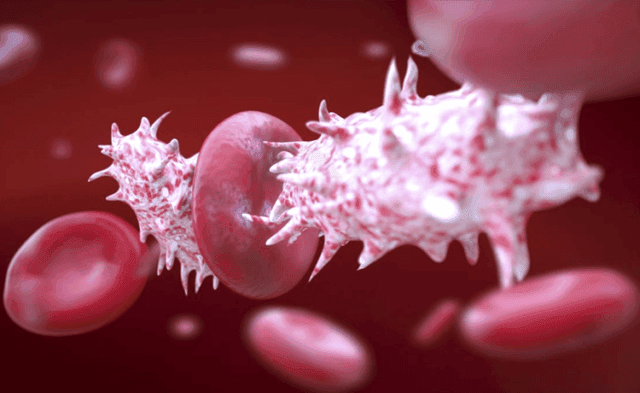
Genital warts are mostly painless bumps with a cauliflower or cockscomb appearance that a very common virus called HPV (human papillomavirus) produces on the skin. They appear on the genital area, groin, and around the anus. The two most important facts: they are contagious but treatable, and the HPV types that cause warts are mostly different from the types that cause cancer. Transmission occurs through contact; condoms reduce the risk but do not eliminate it. Rather than stalling for months with creams, early treatment (cautery, laser, medication) both resolves the complaint and reduces transmission. The HPV vaccine is the strongest protection.
I can describe the look on the faces of patients I give this diagnosis to: shame, fear, and very often guilt. My first job is to calm all three; because the reality of genital warts is far more ordinary than patients imagine. HPV is an extremely common virus that the great majority of sexually active people encounter at some point in their lives; genital warts are simply one of its visible faces. It is not a moral issue, it is a medical condition; and medical conditions have solutions. In this article we will replace panic with information.
What exactly are genital warts?
Genital warts (condyloma acuminata in medical terminology) are benign growths that form when HPV enters skin and mucosal cells and makes them multiply. Their appearance varies: some are single, some grow in clusters; some are flat and small, others raised like a cauliflower or cockscomb. Their color ranges from skin-toned to pink to brown. Typical locations: the external genital area, the groin folds, around the anus and inside the anal canal (the region I focus on in particular), and in women additionally the vagina and cervix. They are mostly painless; the real complaints are itching, irritation from friction, bleeding and (perhaps most of all) the psychological burden.
The link with HPV: Which type does what?
Here is the most misunderstood (and most reassuring) point. HPV has hundreds of types, roughly divided into two groups. Low-risk types (especially types 6 and 11): responsible for the great majority of genital warts, and their cancer-causing potential is very low. High-risk types (such as types 16 and 18): they do not cause warts, but over the long term they are associated with cancers such as cervical and anal cancer. So in practice: the wart you see is most likely a low-risk type and will not turn into cancer. I have covered the details of this distinction and the full answer to "can it cause cancer" in a separate article; if you are curious, look there, because the topic is both important and usually told in a more frightening way than it deserves.
How is it transmitted?
Transmission occurs mostly through direct skin contact: sexual contact is the most frequent route, but not the only one: the virus can be carried even without a visible wart and passes through micro-cracks in the skin. Condoms reduce the risk but do not eliminate it, because of the areas they do not cover. One important point: the virus's incubation period can stretch from weeks to months, sometimes years; so a wart appearing today does not mean "I was just infected" or "my partner cheated"; that false inference causes a great deal of needless relationship crisis. All the details of transmission, incubation and protection are in the transmission article.
Symptoms and diagnosis
Most patients present with a bump in the area that is felt by hand or visible to the eye; sometimes itching, friction discomfort, or a rough patch noticed during washing is the first warning. Warts around the anus can be confused with other lumps felt at the anus (a hemorrhoid, a skin tag); the examination makes the distinction. The diagnosis is usually made by inspection; suspicious, atypical or treatment-resistant lesions are confirmed with a small biopsy. If involvement inside the anal canal is suspected, an instrumented examination (anoscopy) is performed; warts on the outside frequently coexist with warts inside, and if that is missed, treatment remains incomplete.
Treatment: Many options, all of them work
Fortunately, there is no single road in genital wart treatment, but several effective methods chosen to fit the patient and the lesion. Ablative methods (electrocautery, cryotherapy-freezing, TCA); fast and effective (cautery article). Laser: precise and comfortable, especially for extensive, numerous, or perianal/intra-anal warts (laser article). Prescription creams: for selected lesions, home-applied medications that stimulate immunity or dissolve the tissue (medication article). The choice of method depends on the wart's location, number, size and the patient's preference (when-to-treat article). The shared truth: no method wipes the virus completely from the body: it clears the visible warts, and your immune system handles the rest; that is why recurrence is possible and follow-up matters.
Let us set the shame issue aside
The greatest harm I have seen in my career comes not from the wart itself but from hiding it: the patient who avoids the doctor for months out of shame allows the warts to multiply and the transmission risk to their partner to continue all that time. Let me say it plainly: HPV is not a hygiene problem, it is certainly not a marker of "morality", and the examination at our clinic is done with full privacy and without judgment. The most rational move in this area is to get the diagnosis made early.
Prevention and the vaccine
Prevention stands on two legs. Reducing transmission: condoms (partial protection), the effect of the number of partners, and treating existing warts. The HPV vaccine: vaccines that also cover the wart-causing types are the strongest protection known; ideally given before sexual activity begins, but they retain protective value at older ages too; I explained who it is recommended for in the vaccine article. The vaccine does not treat an existing wart, but it prevents new types in the future; an investment worth considering alongside treatment.
Frequently asked questions
Do genital warts go away on their own?
The immune system can clear some warts over time; but there is no guarantee, and while you wait the warts can multiply and transmission continues. Treatment both speeds up the process and reduces those risks. I do not recommend waiting on the hope that "they will clear by themselves".
Do I have to tell my partner?
The ethical and practical answer is yes: your partner also needs to be evaluated (and treated if necessary), both for their own health and to prevent re-transmission. Remembering that the incubation period can be long softens the "who infected whom" blame game.
Is it over after one round of treatment?
The visible warts are cleared, but because the virus can persist in the skin for a while, recurrence is possible; especially in the first months. That is not failure, it is the nature of the disease; with follow-up, new ones are caught early and cleared easily.
Does it have anything to do with virginity or cleanliness?
No. HPV is not transmitted by poor hygiene and is not prevented by washing; it results from contact with an extremely common virus. Beliefs like these only manufacture needless shame.
Sources
- Centers for Disease Control and Prevention (CDC) — Genital HPV Infection, cdc.gov
- NHS — Genital warts, nhs.uk
To be evaluated without shame and without judgment: 444 8 623 — Levent. Early examination is especially important for warts around the anus.
Yasir Gozu, MD
General Surgery Specialist
He has worked in anorectal diseases (proctology) for over twenty years, focusing on non-surgical laser treatments for hemorrhoids, anal fistula, anal fissure and pilonidal sinus. He sees patients at Avrupa Cerrahi in Besiktas Levent.
Content owner: Yasir Gozu, MD
Published: May 9, 2024
Last updated: September 9, 2026