This article is for information purposes only; it is not a substitute for an examination and a physician’s assessment.
New surgical approaches and technical advances
Advanced Proctologic Surgery: Exploring New Surgical Approaches and Technical Developments
The field of proctology is evolving rapidly, with new surgical approaches and technical advances emerging that are transforming the treatment landscape for anorectal diseases. This article examines the latest minimally invasive techniques, non-surgical treatments, and innovative surgical procedures that improve patient outcomes. As patients increasingly seek more effective and less invasive options, understanding these developments is critical for both practitioners and patients. This review will cover the latest minimally invasive techniques in anorectal surgery, the impact of non-surgical treatments on the management of anal fissures, and new surgical procedures for pilonidal sinus and anal fistulas.
What Are the Latest Minimally Invasive Techniques in Anorectal Surgery?
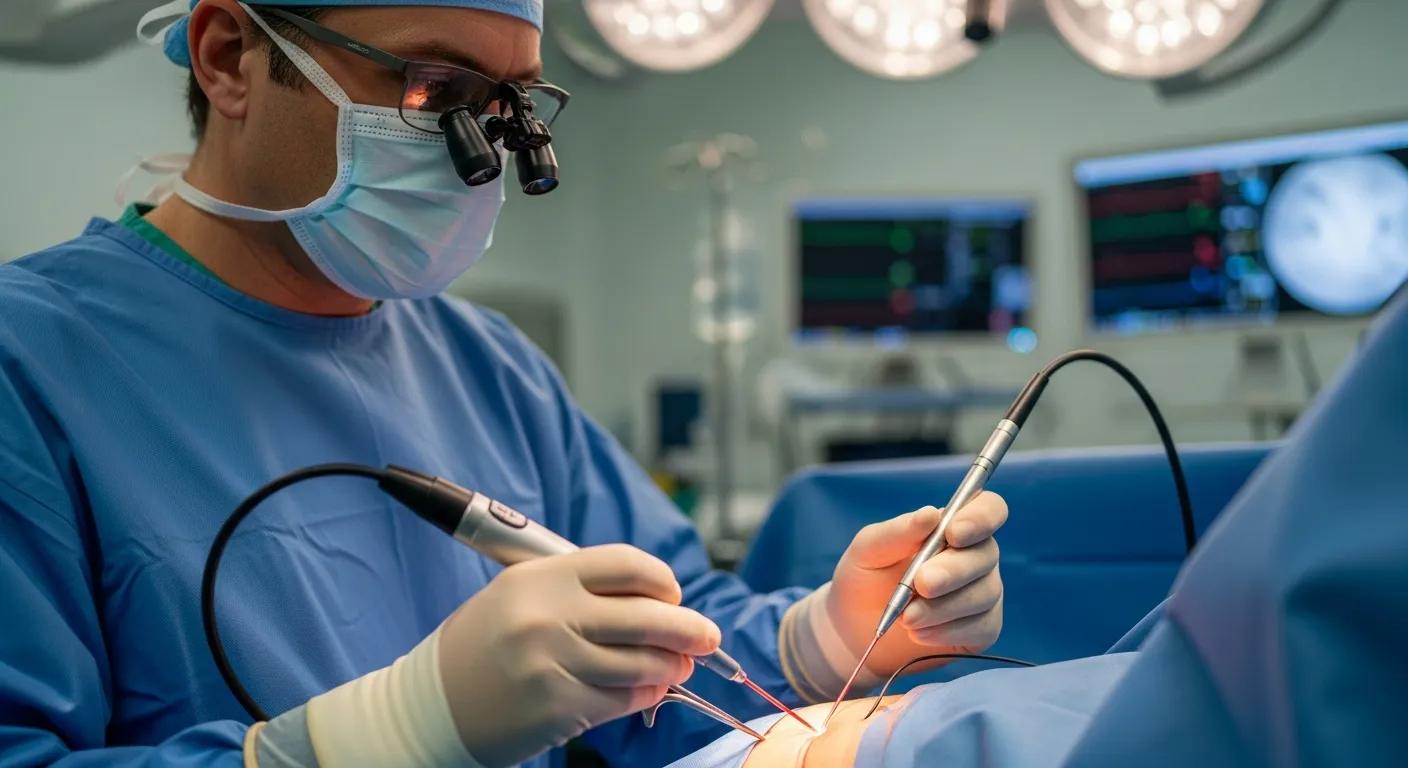
Minimally invasive techniques in anorectal surgery refer to advanced surgical methods that shorten recovery time and minimize patient discomfort. These techniques generally use smaller incisions, which means less tissue damage and faster healing. Innovations such as laser therapy and other advanced modalities are at the forefront of these developments, offering effective solutions for conditions such as hemorrhoids and anal fissures. The benefits of these techniques include reduced pain, faster recovery times, and lower complication rates, making them increasingly popular among both patients and healthcare providers.
Research continues to explore the full potential and optimal applications of these advanced laser techniques in proctology.
Minimally Invasive Laser Techniques in Proctology
Laser-assisted techniques are a minimally invasive yet costly option that can be applied in the treatment of various proctologic conditions. Further research is needed to determine which patients can benefit from these techniques and for which indications they should be used.
Laser technology in proctological diseases: is it really the wave of the future?, J Martellucci, 2023
How Do Minimally Invasive Procedures Improve Patient Outcomes?
Minimally invasive procedures significantly improve patient outcomes by reducing postoperative pain and accelerating recovery. Studies show that patients undergoing these techniques experience less pain compared with traditional surgery. In addition, the average recovery time is shorter, and patients can return to their daily activities much sooner. This improvement not only increases patient satisfaction but also reduces the overall burden on healthcare systems.
What Are the Standout Innovations in Hemorrhoid Treatment?
Recent innovations in hemorrhoid treatment include laser therapy and other minimally invasive techniques. Laser therapy, for example, allows precise removal of hemorrhoids with minimal bleeding and discomfort. Patients report high satisfaction rates, and many experience noticeable relief within a few days of the procedure. These developments are reshaping the standard of care in hemorrhoid treatment and highlight the importance of adopting new technologies in clinical practice.
How Are Non-Surgical Treatments Transforming Anal Fissure Management?
Non-surgical treatments are revolutionizing the management of anal fissures by offering effective alternatives to traditional surgical interventions. These treatments include non-invasive options such as botulinum toxin injections and topical therapies that promote healing. The shift toward non-surgical approaches stems from the desire to shorten recovery times and reduce the risks associated with surgery.
In particular, botulinum toxin injections have emerged as an important minimally invasive option in the treatment of chronic anal fissures.
Botulinum Toxin in the Treatment of Chronic Anal Fissure
Botulinum toxin injections should be considered a minimally invasive therapeutic option in the treatment of chronic anal fissure. However, well-designed randomized trials are needed for a valid assessment of efficacy and safety in this therapeutic indication.
Botulinum toxin and anal fissure: a systematic review of efficacy and safety, E Yiannakopoulou, 2012
What Are the Most Effective Non-Surgical Anal Fissure Treatments?
Several non-surgical treatments have proven effective in the management of anal fissures. These include:
- Botulinum Toxin Injections: Relax the anal sphincter, reducing pain and promoting healing.
- Topical Nitroglycerin: Increases blood flow to the area, supporting the healing process.
- Laser Therapy: A minimally invasive option that can effectively treat fissures with minimal discomfort.
These treatments not only relieve symptoms but also improve patients' quality of life through faster healing and less invasive management.
How Do These Treatments Reduce Recovery Time and Risks?
Non-surgical treatments significantly reduce recovery time and the associated risks compared with traditional surgical options. For example, patients receiving botulinum toxin injections typically return to normal activities within a few days, while those undergoing surgery may take weeks to fully recover. Furthermore, the risk of complications such as infection or incontinence is markedly lower with non-surgical treatments, making them a safer option for many patients.
What Are the New Surgical Procedures for Pilonidal Sinus and Anal Fistulas?
New surgical procedures for pilonidal sinus and anal fistulas are designed to enhance healing and reduce recurrence rates. Techniques such as the LIFT procedure and seton placement are gaining popularity for their effectiveness in managing these complex conditions. These methods focus on minimizing tissue trauma and promoting faster healing, which is critical for patient satisfaction.
How Do the Latest Pilonidal Sinus Techniques Enhance Healing?
Recent advances in pilonidal sinus treatment, such as the use of laser therapy and minimally invasive surgical techniques, have shown promising results. These methods not only reduce the risk of recurrence but also support faster healing times. Patients undergoing these procedures often report less postoperative pain and a quicker return to normal activities, underscoring the benefits of adopting innovative surgical approaches.
What Advances Are Available in Anal Fistula Surgery?
Innovations in anal fistula surgery include the introduction of advanced techniques such as the LIFT procedure, which focuses on effectively treating the fistula while preserving sphincter function. This approach has been associated with lower recurrence rates and improved patient outcomes. In addition, the use of bioprosthetic materials in fistula repair is emerging as a promising option, further enhancing the effectiveness of surgical interventions.
The integration of bioprosthetic materials with established techniques such as LIFT is further advancing the treatment of complex anal fistulas.
The BioLIFT Procedure for Complex Anal Fistulas
The LIFT technique in which bioprosthetic material is placed in the intersphincteric plane to reinforce closure of the fistula tract (the BioLIFT procedure)
… the use of bioprosthetic grafts to reinforce the ligation of the intersphincteric fistula tract (BioLIFT procedure) in the management of complex anal fistulas, 2010